
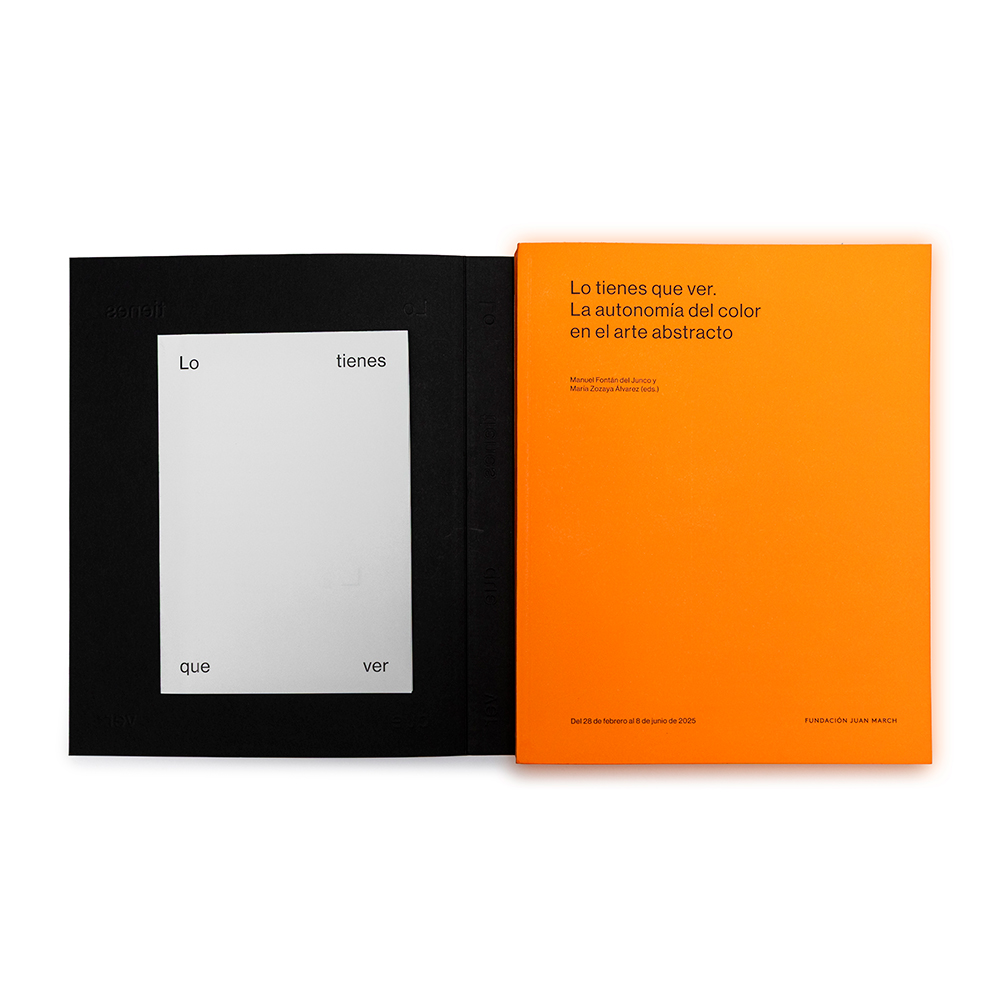
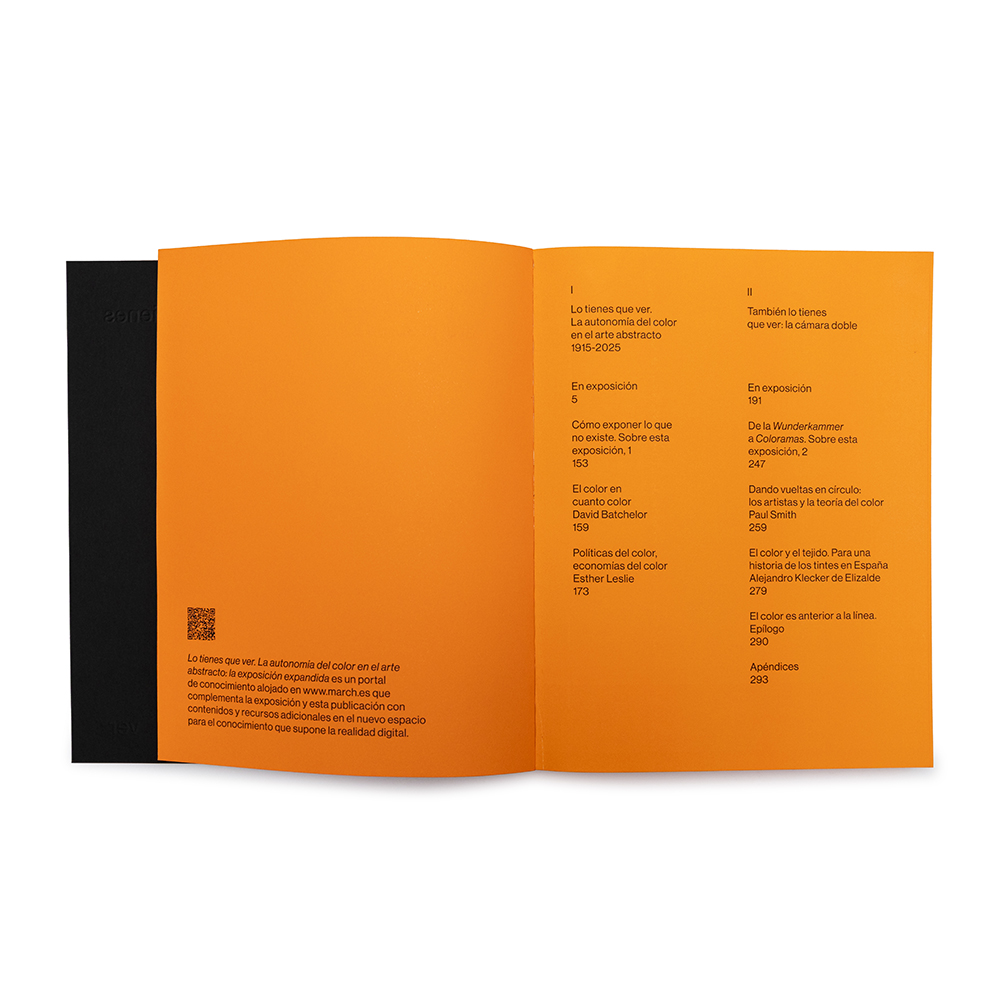
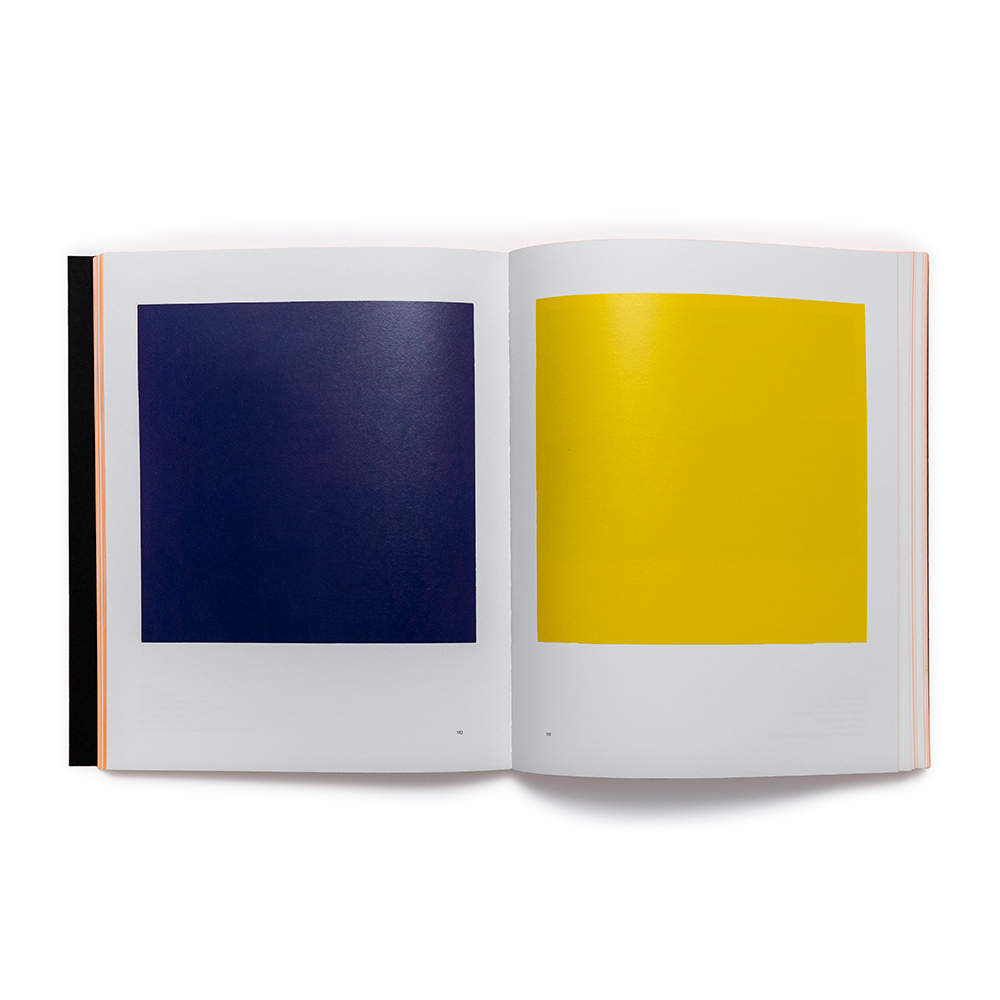
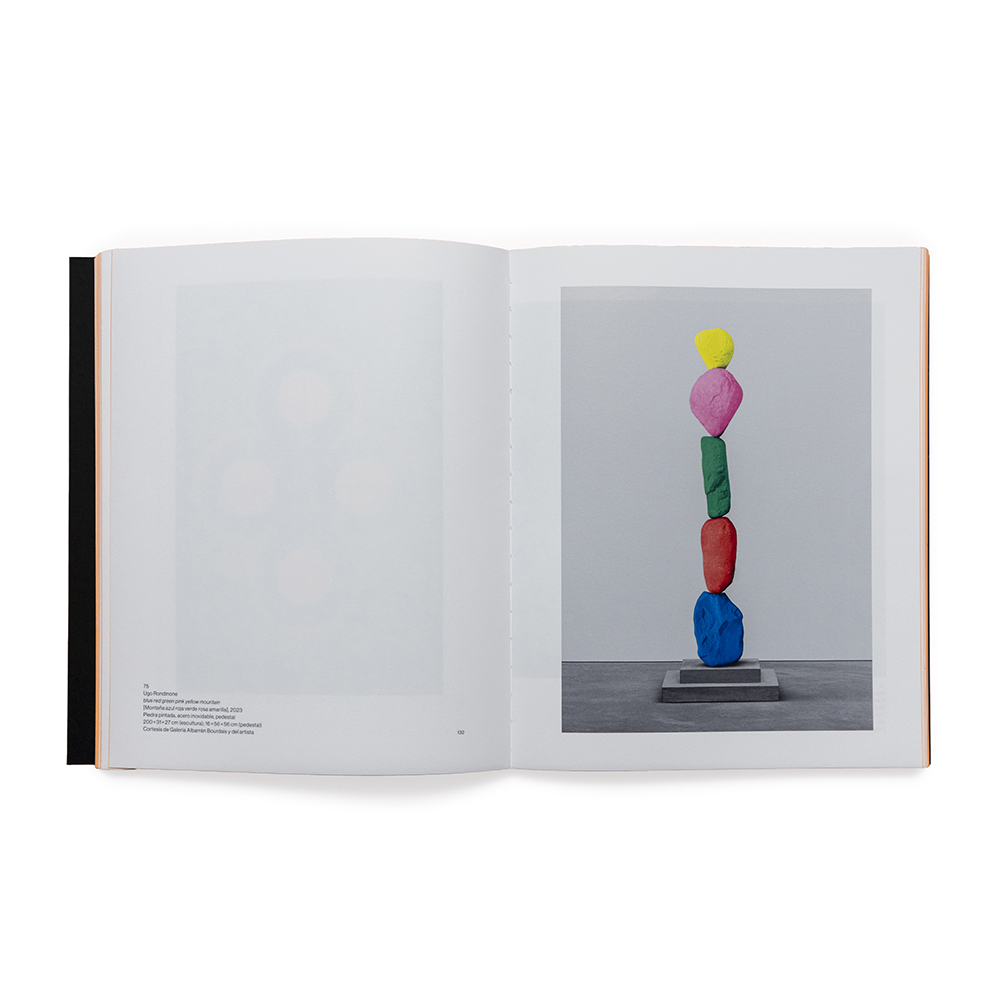
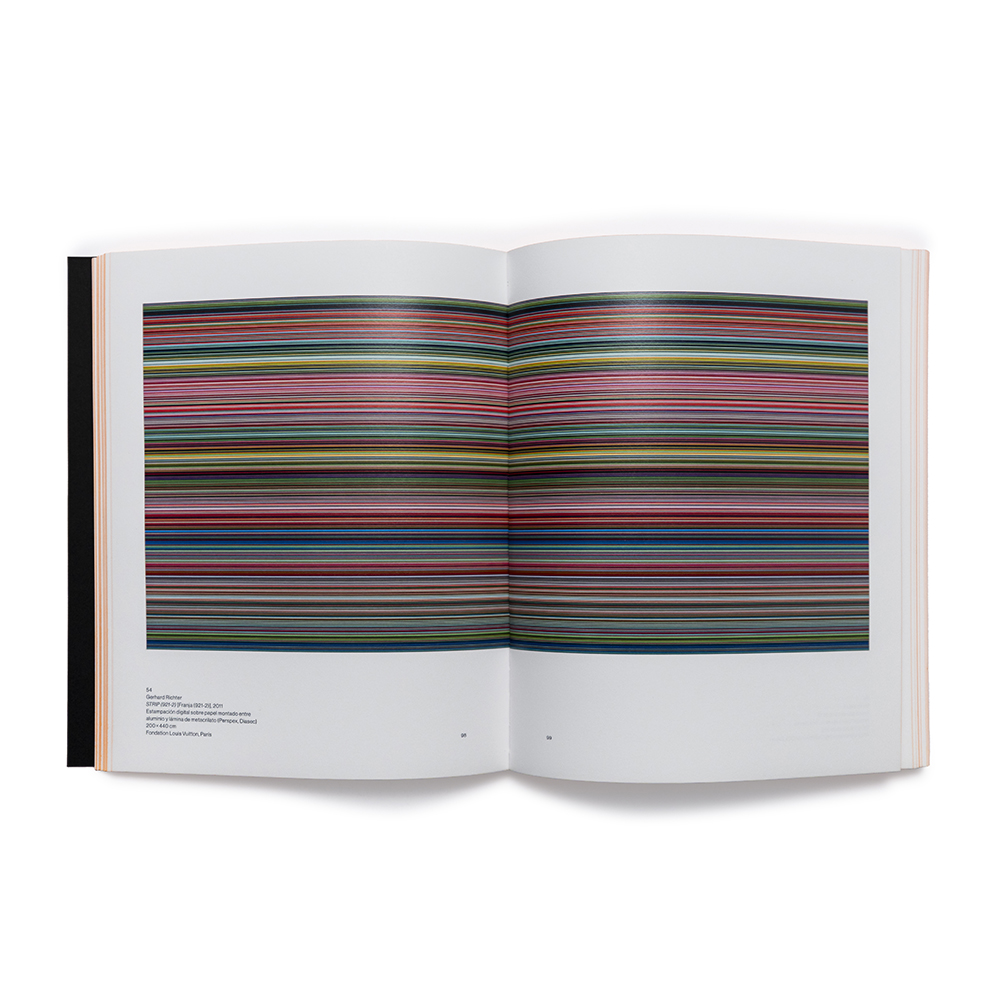
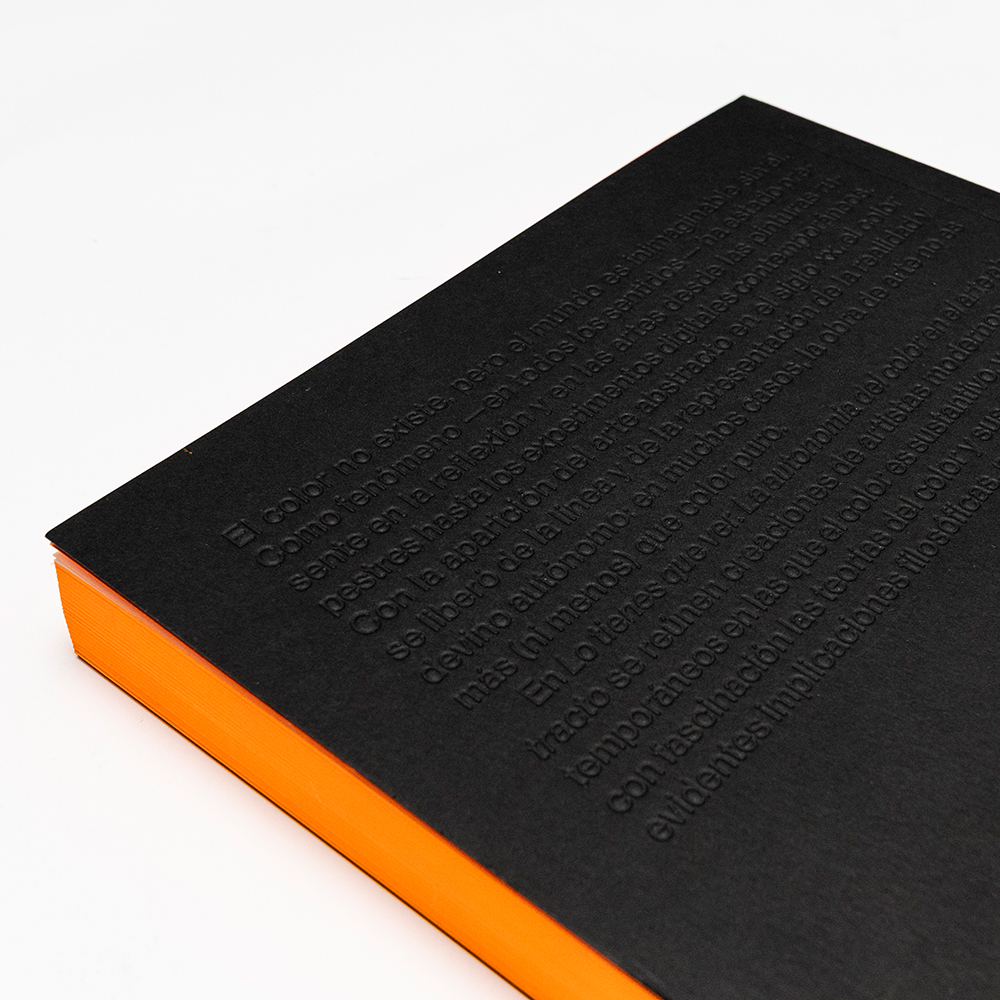
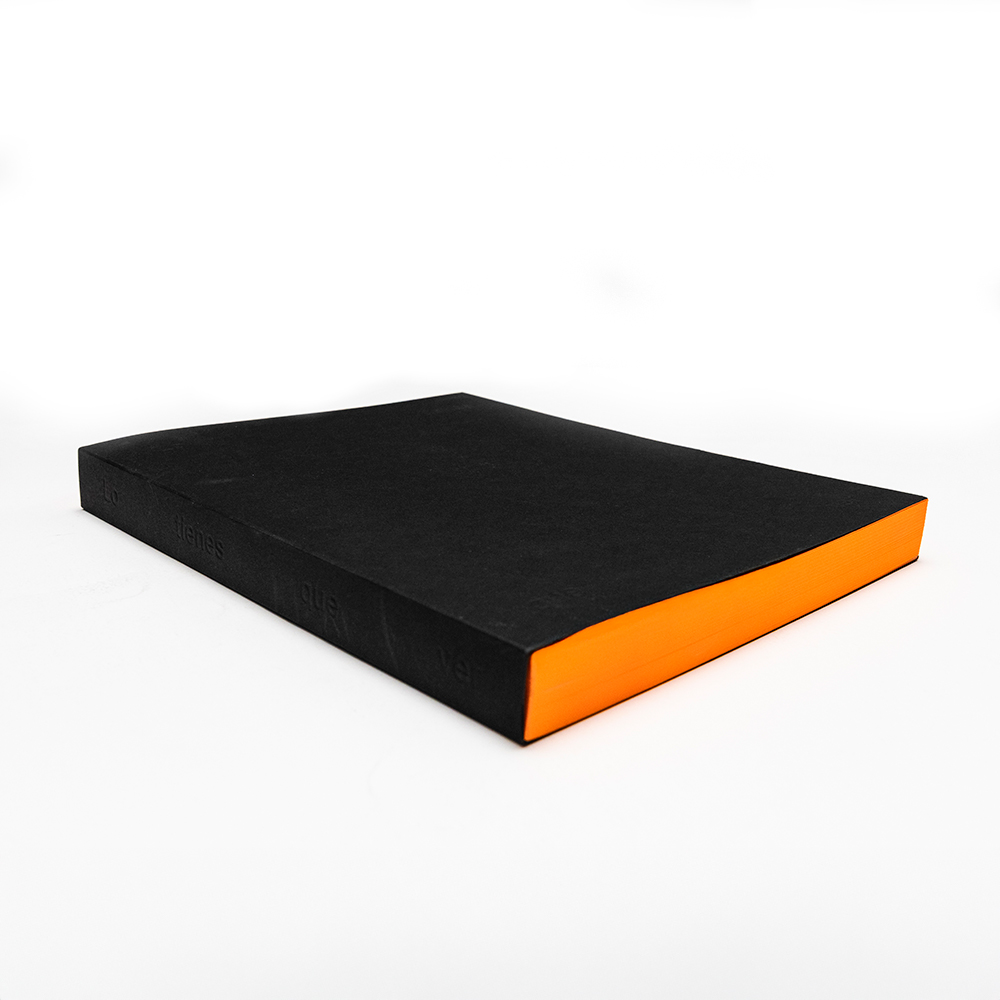
IT MUST BE SEEN.
The Autonomy of Color in Abstract Art
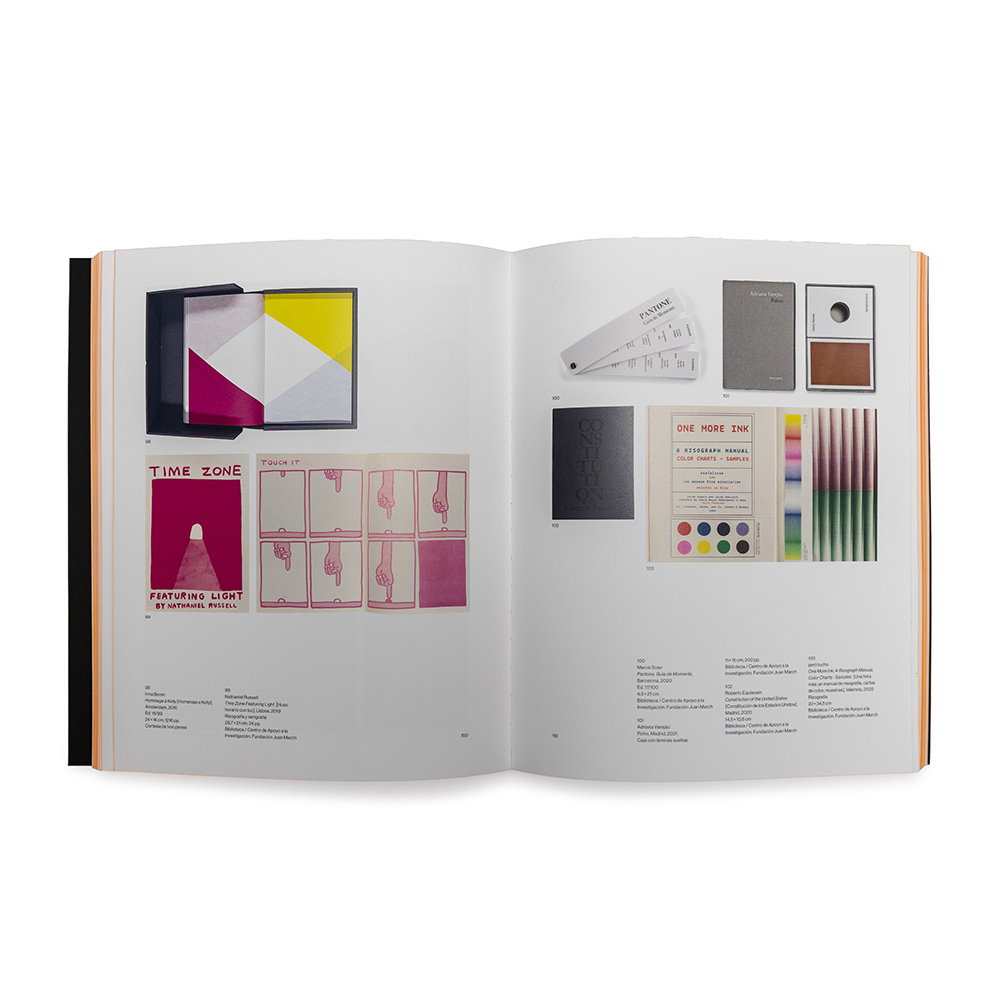
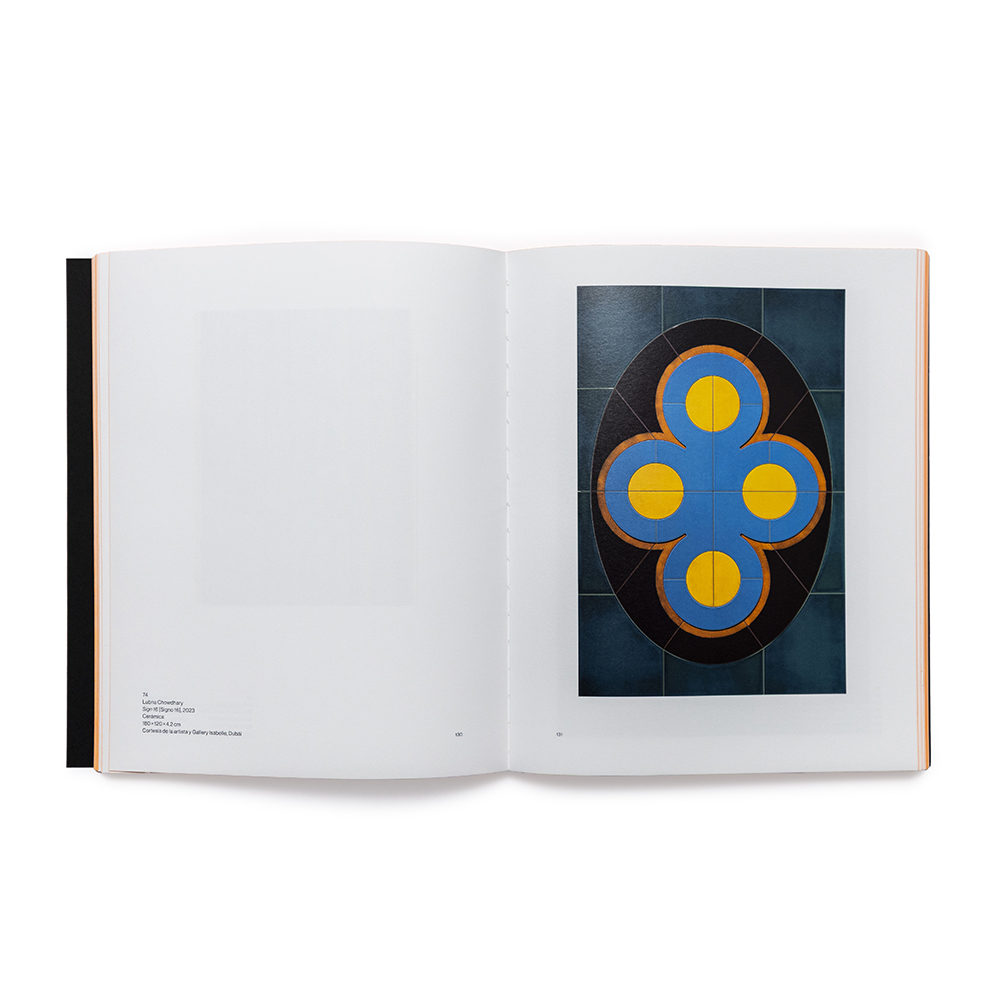
2025Catalog published for the exhibition “It Must Be Seen. The Autonomy of Color in Abstract Art” from February 28 to June 8, 2025, at the Juan March Foundation, Madrid.
Edit: Juan March Foundation
Year: 2025
Texts: Manuel Fontán del Junco, María Zozaya Álvarez, David Batchelor, Esther Leslie, Paul Smith, Alejandro Klecker de Elizalde
Pages: 310
Binding: soft cover
Design: Underbau
Language: Spanish
ISBN: 978-84-7075-695-5
Language is what tells us something about the essence of a thing. The word color originates from the Indo-European root kel (to hide), and in Germanic it gave rise to the word helm (helmet) and the root khallo (to cover, to hide). As language evolved, the meaning shifted from “to hide” to “rays of light that we perceive through the eyes.”
Even more interesting is the etymological root of the word in German (Farbe), which originates from the Old High German concept far(a)wa, meaning lighthouse. The etymological evolution of the word supports Goethe’s idea that “color in itself is a degree of darkness.” Modern theories of color spring from this. The exhibition “You Must See It” places color at the center, freed from form and contingency. A multifaceted approach that deeply analyzes both 20th and 21st-century abstract artists and the earlier theoretical references that influenced them.
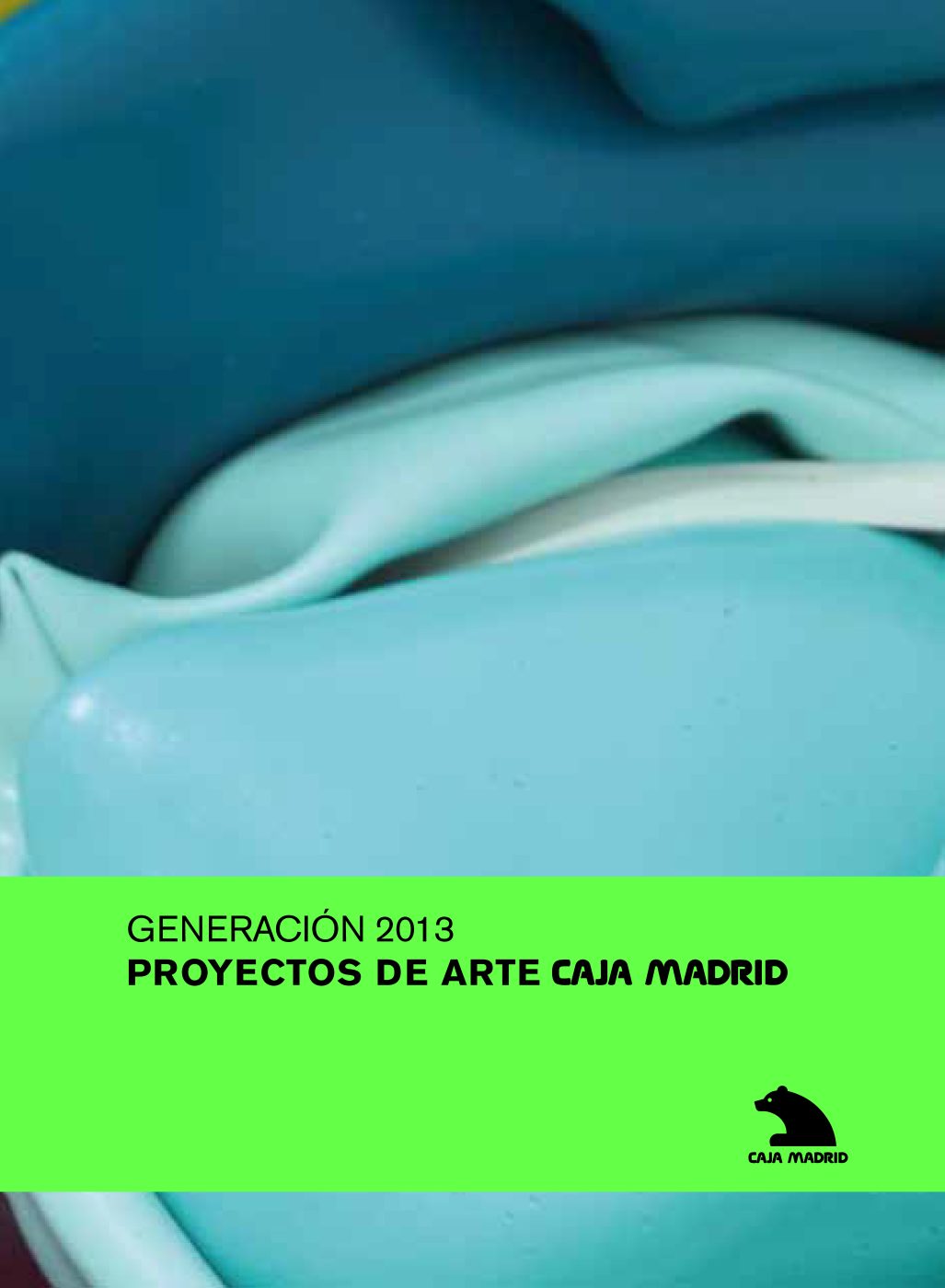
GENERACIÓN 2013
Proyectos de arte Caja Madrid
Many of the authors of Generación 2013 agree that in their respective projects—directly, without any artifice—concepts such as emptiness, ruin, loss, and disappearance are addressed; an approach that, in tune with current events in the world, is open to enrichment through multiple interpretations by viewers.
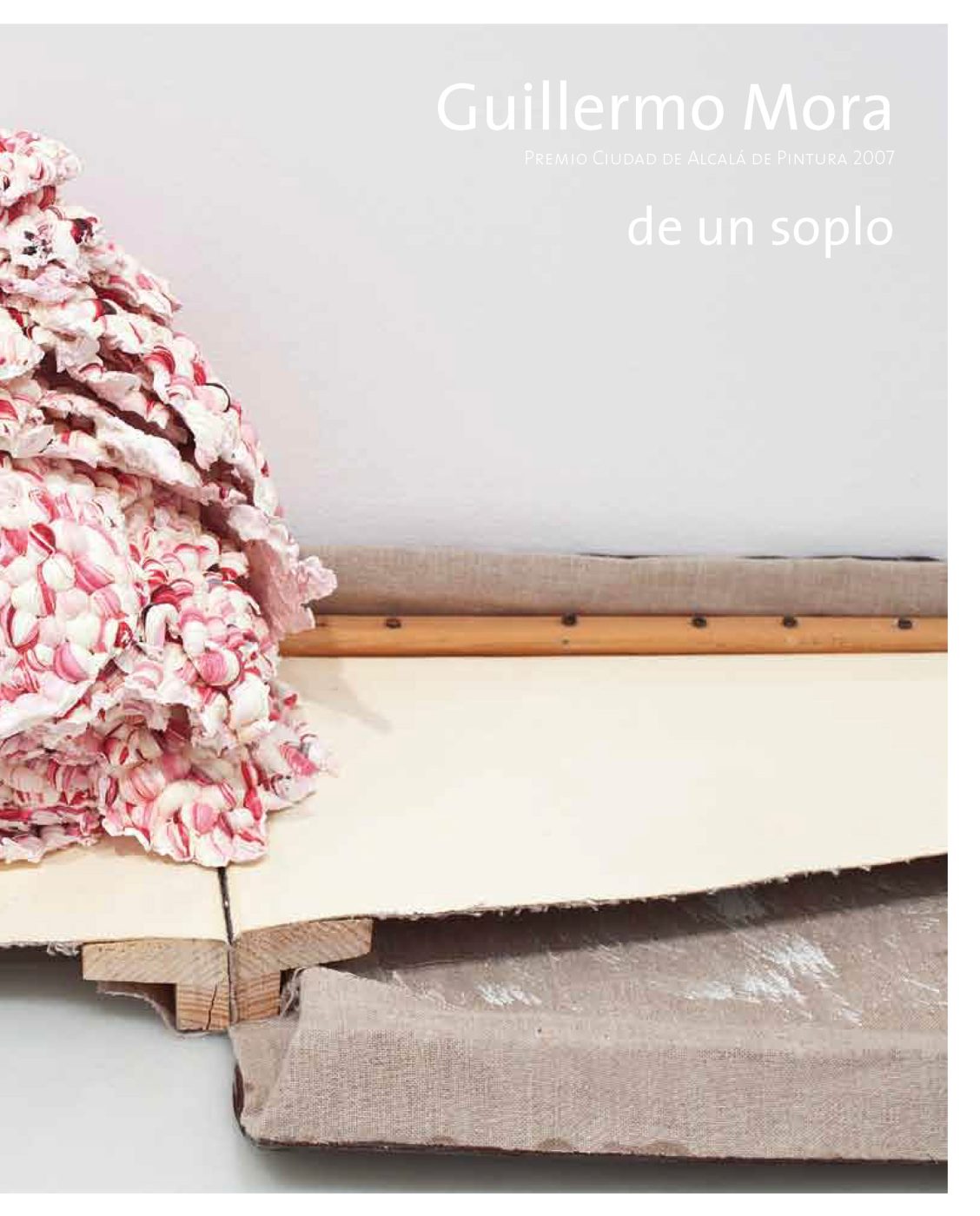
DE UN SOPLO
Guillermo Mora
Catalogue published by the City Council of Alcalá de Henares for Guillermo Mora’s solo exhibition De un soplo.
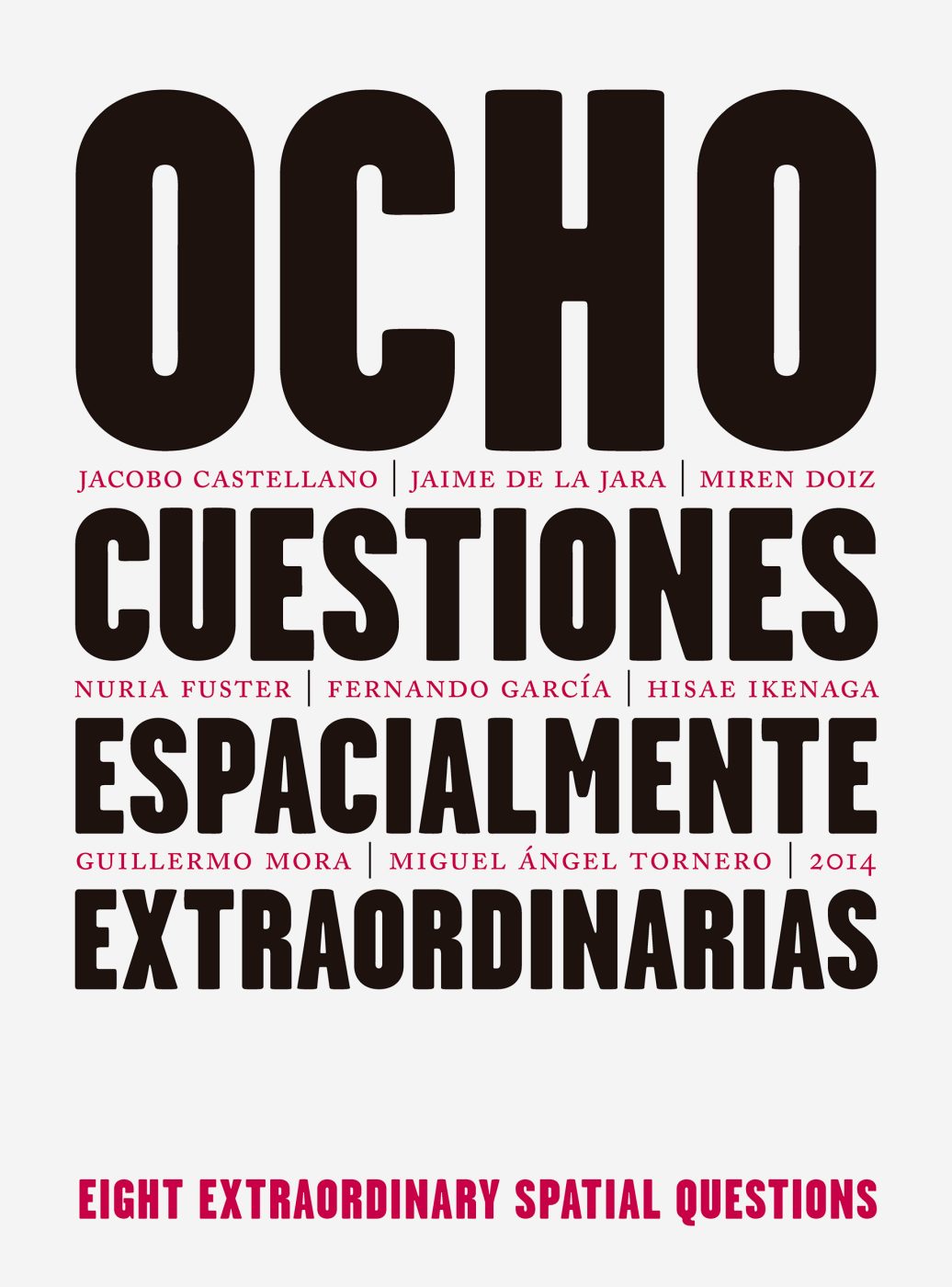
EIGHT EXTRAORDINARY SPATIAL QUESTIONS
Eight Spatially Extraordinary Questions is set in the Tabacalera building, which has a rich history tied to a particular economic, political, and social context. This diverse location serves as the ideal setting for the eight site-specific artistic interventions created by the artists in the exhibition, with each intervention placed in its own distinct space.