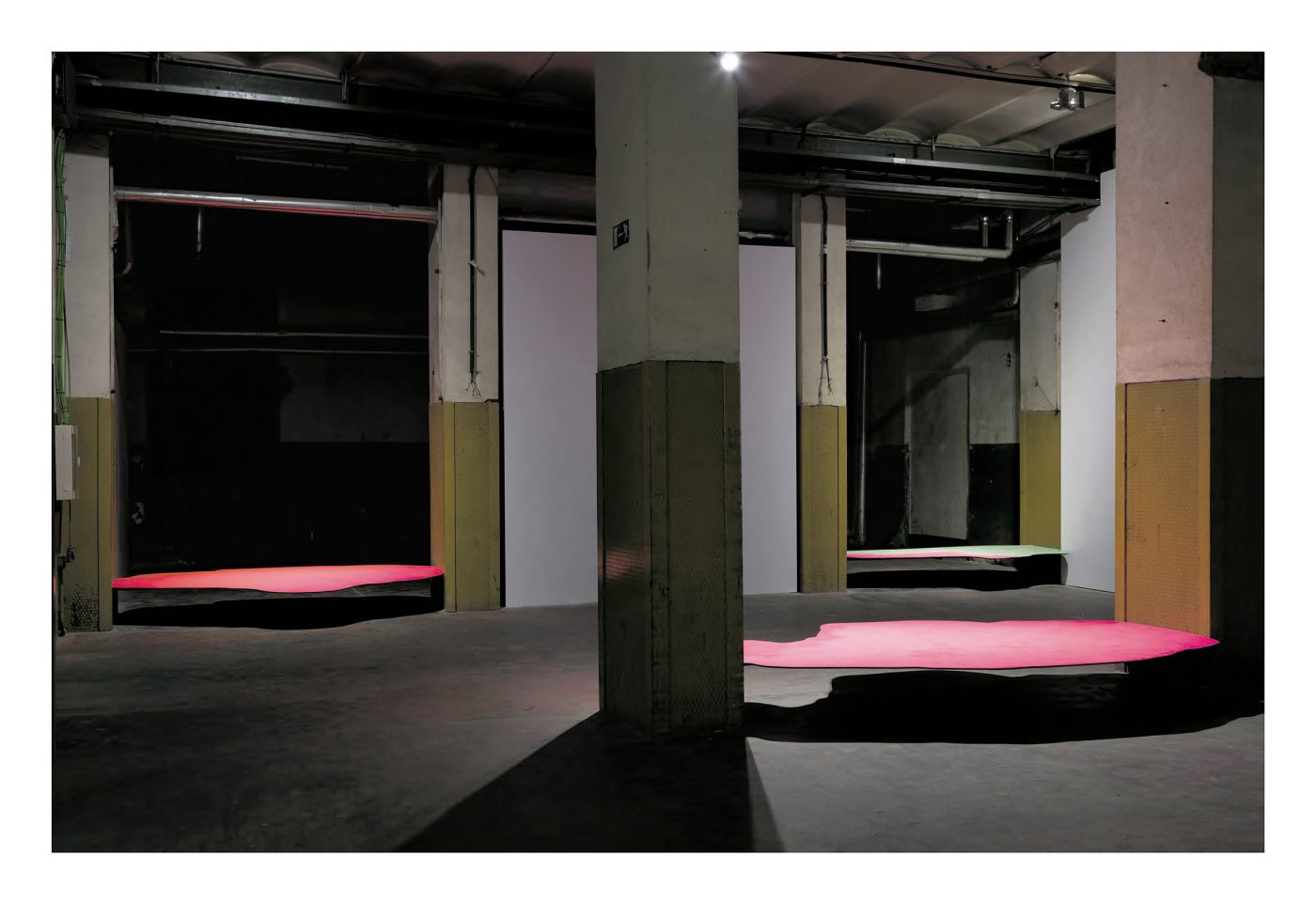
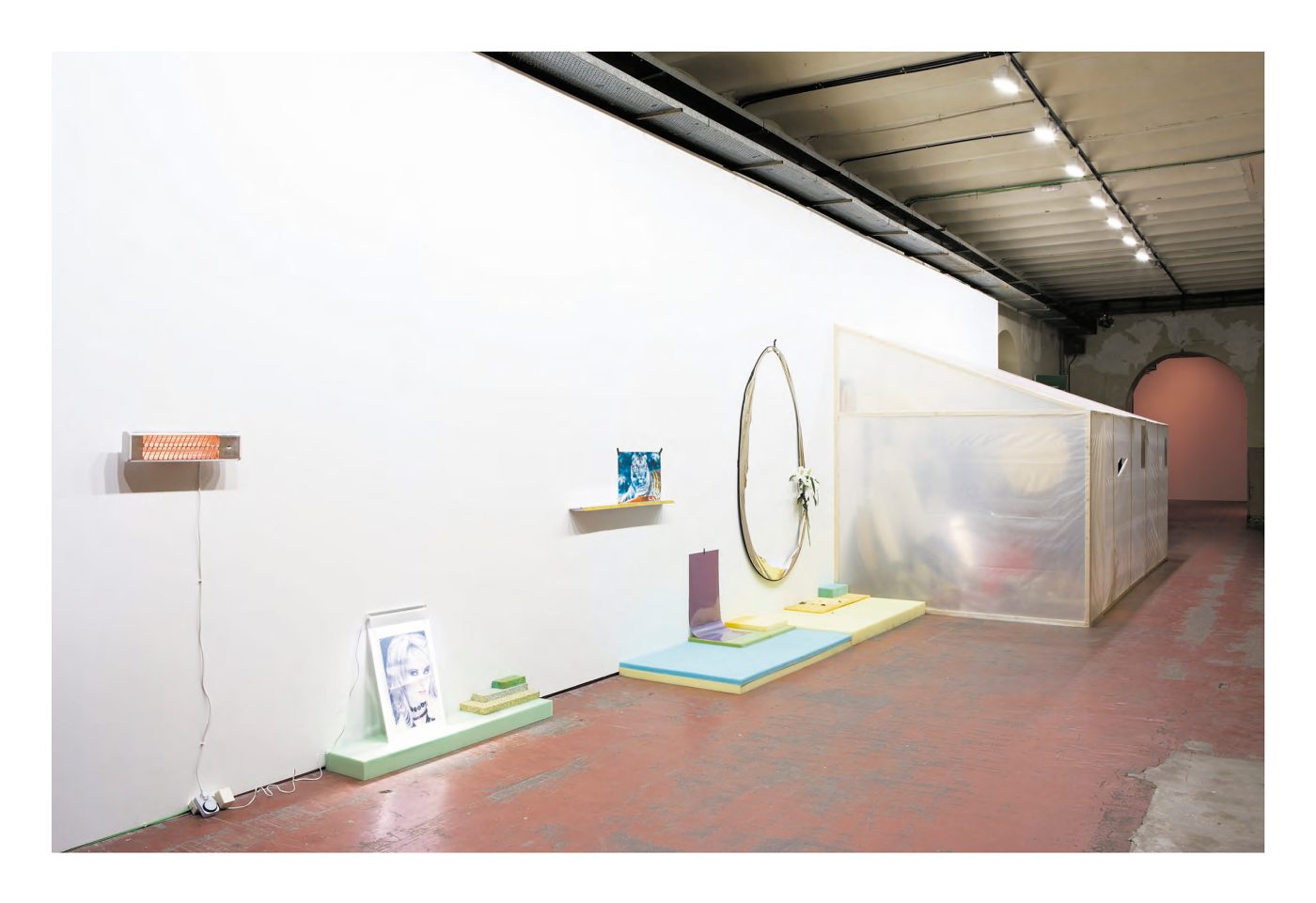
EIGHT EXTRAORDINARY SPATIAL QUESTIONS
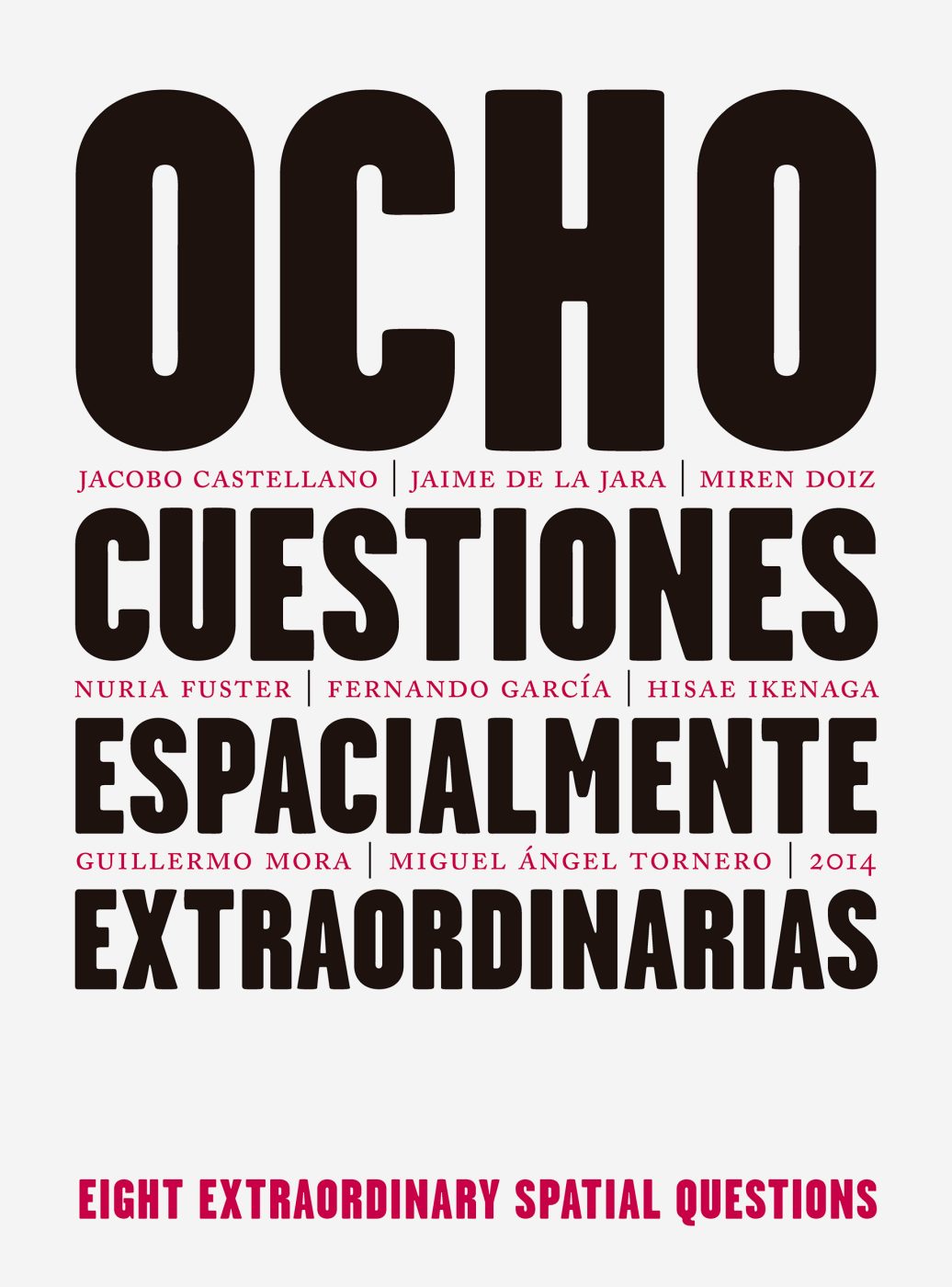
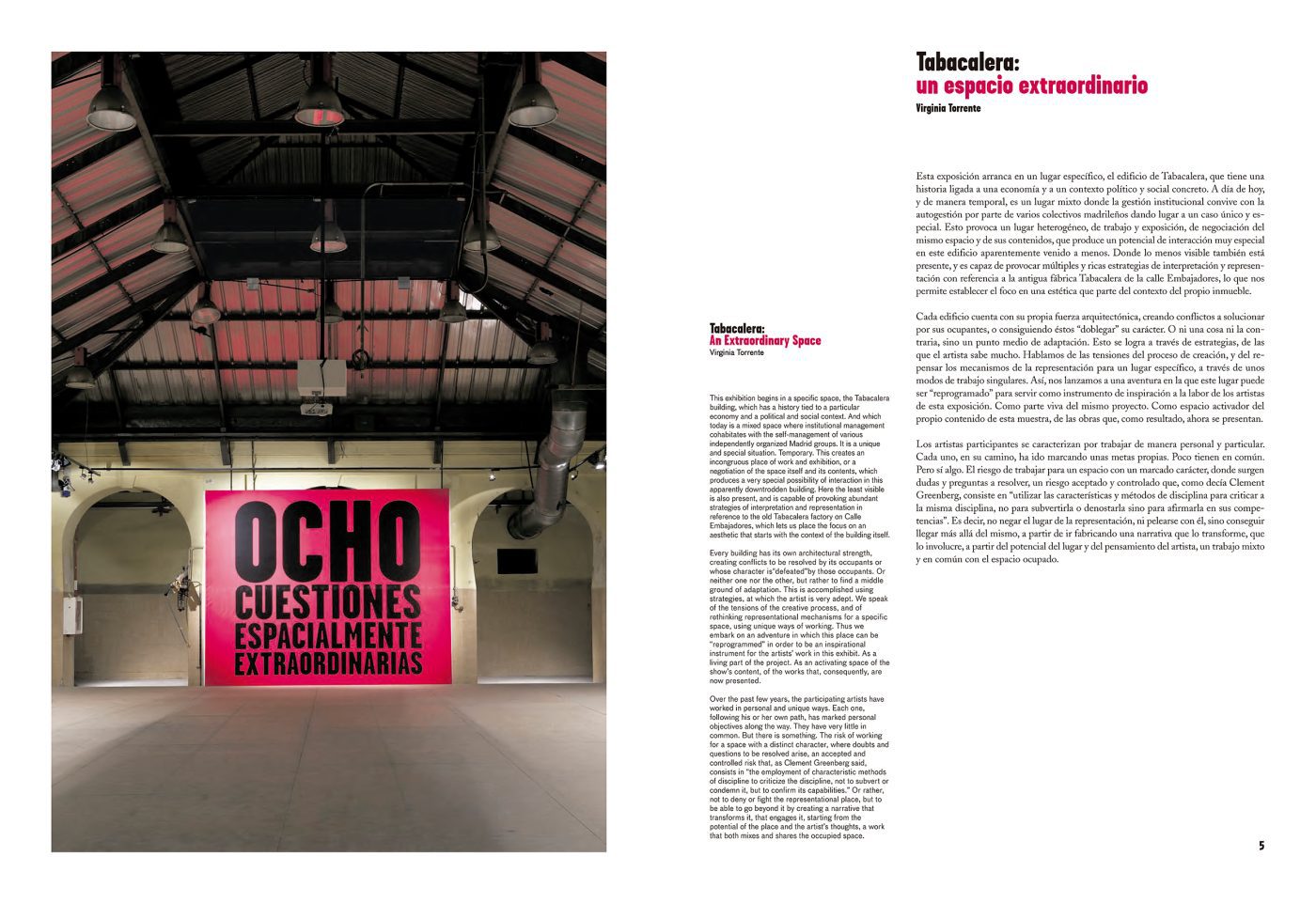
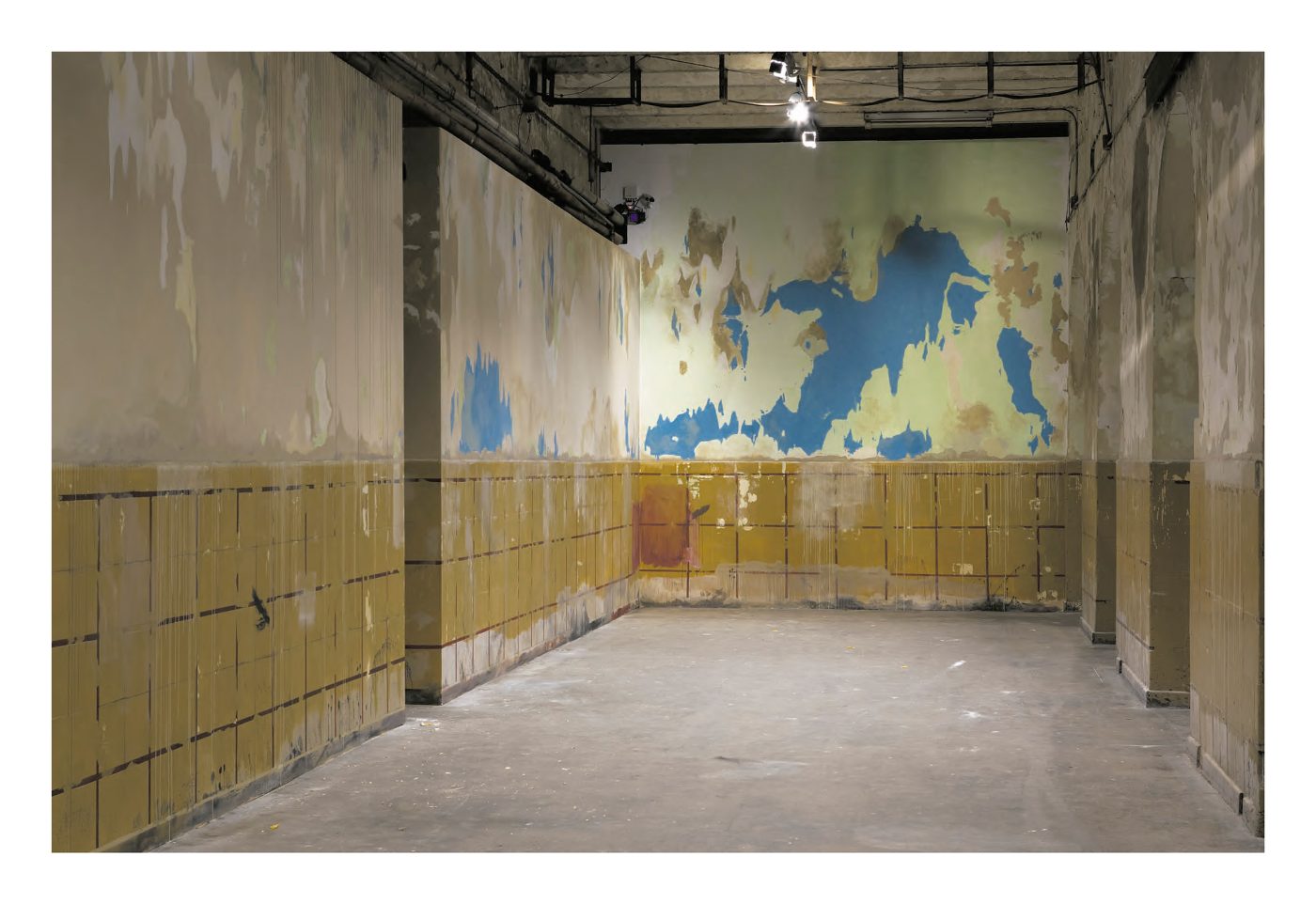
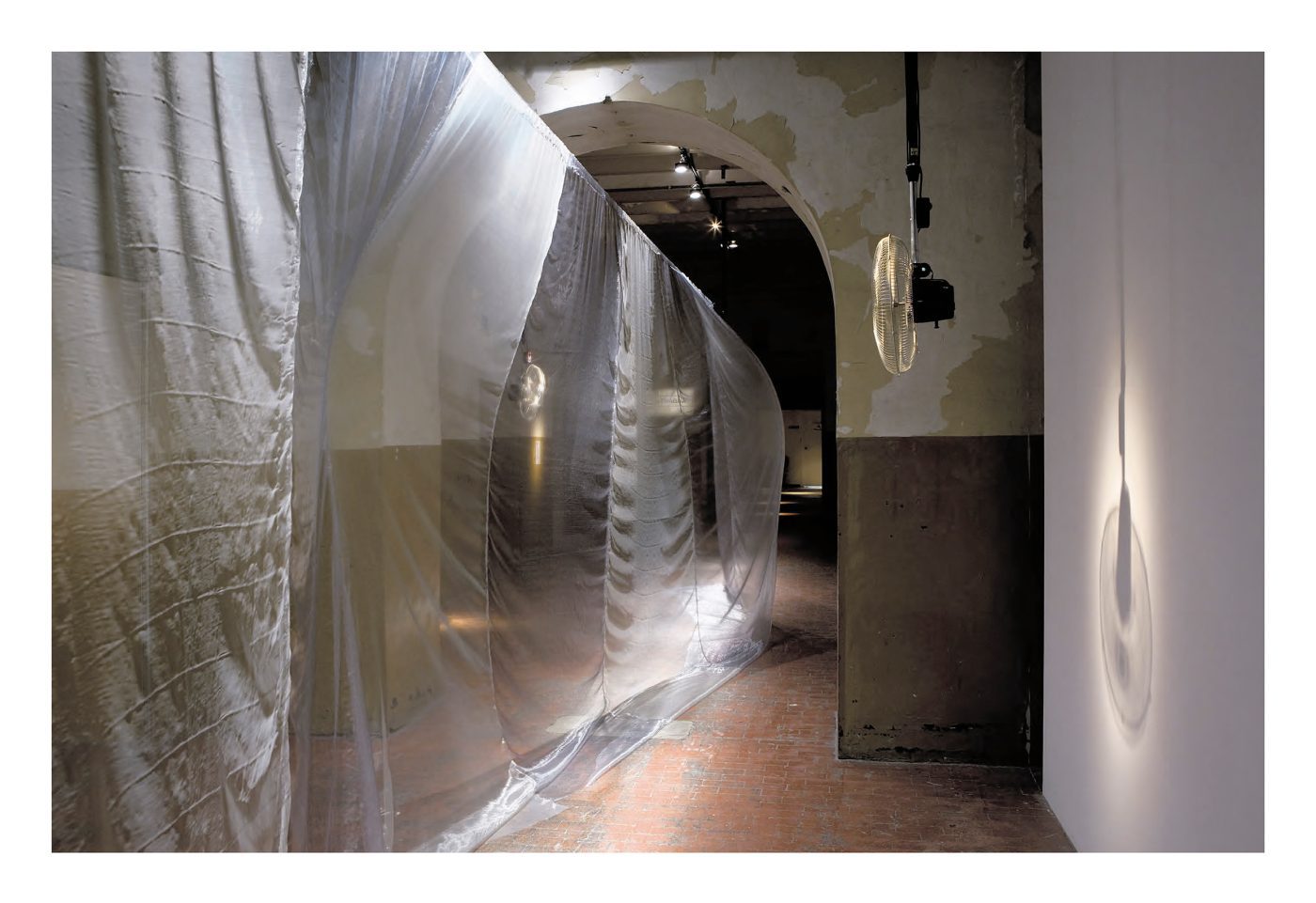
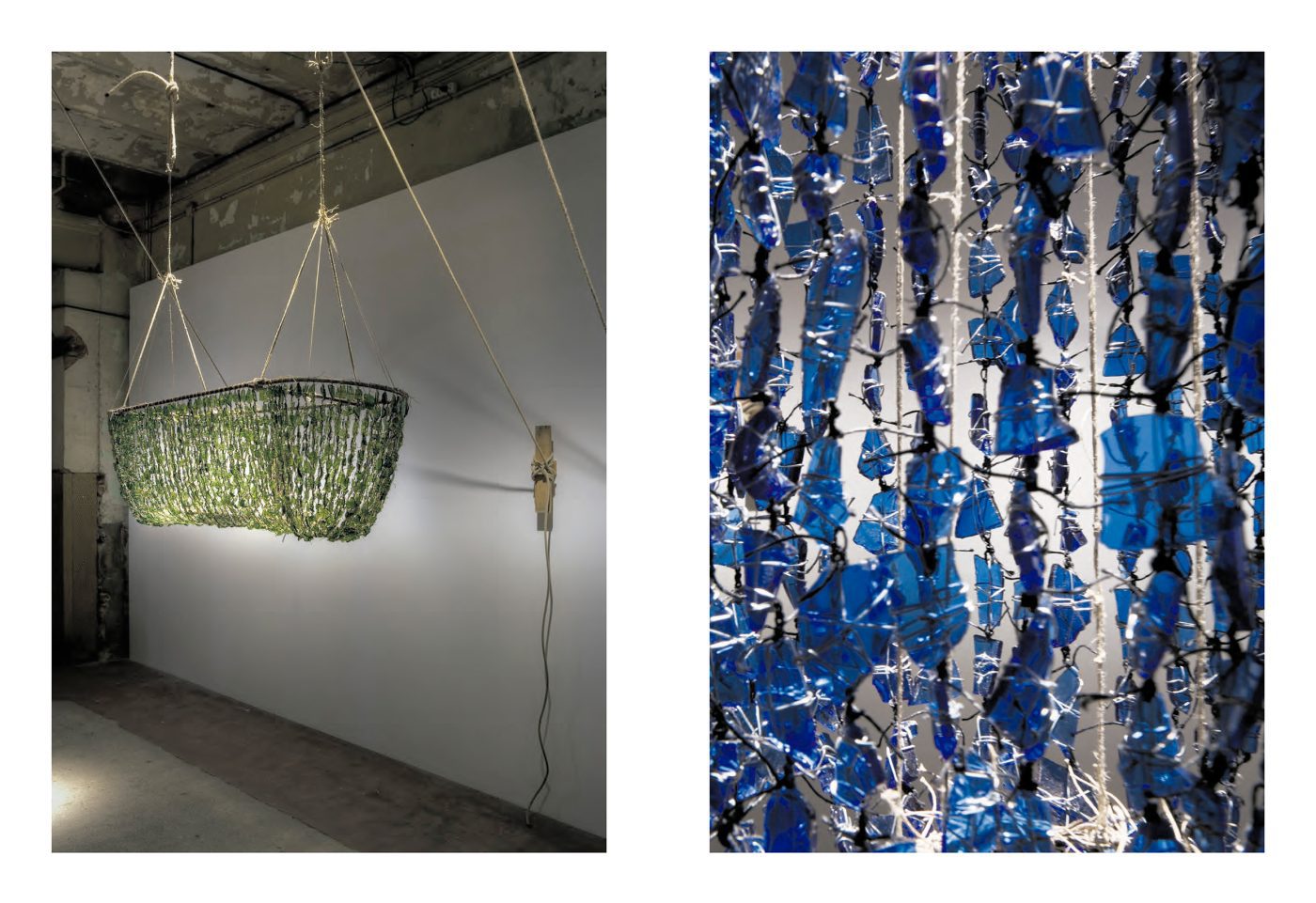
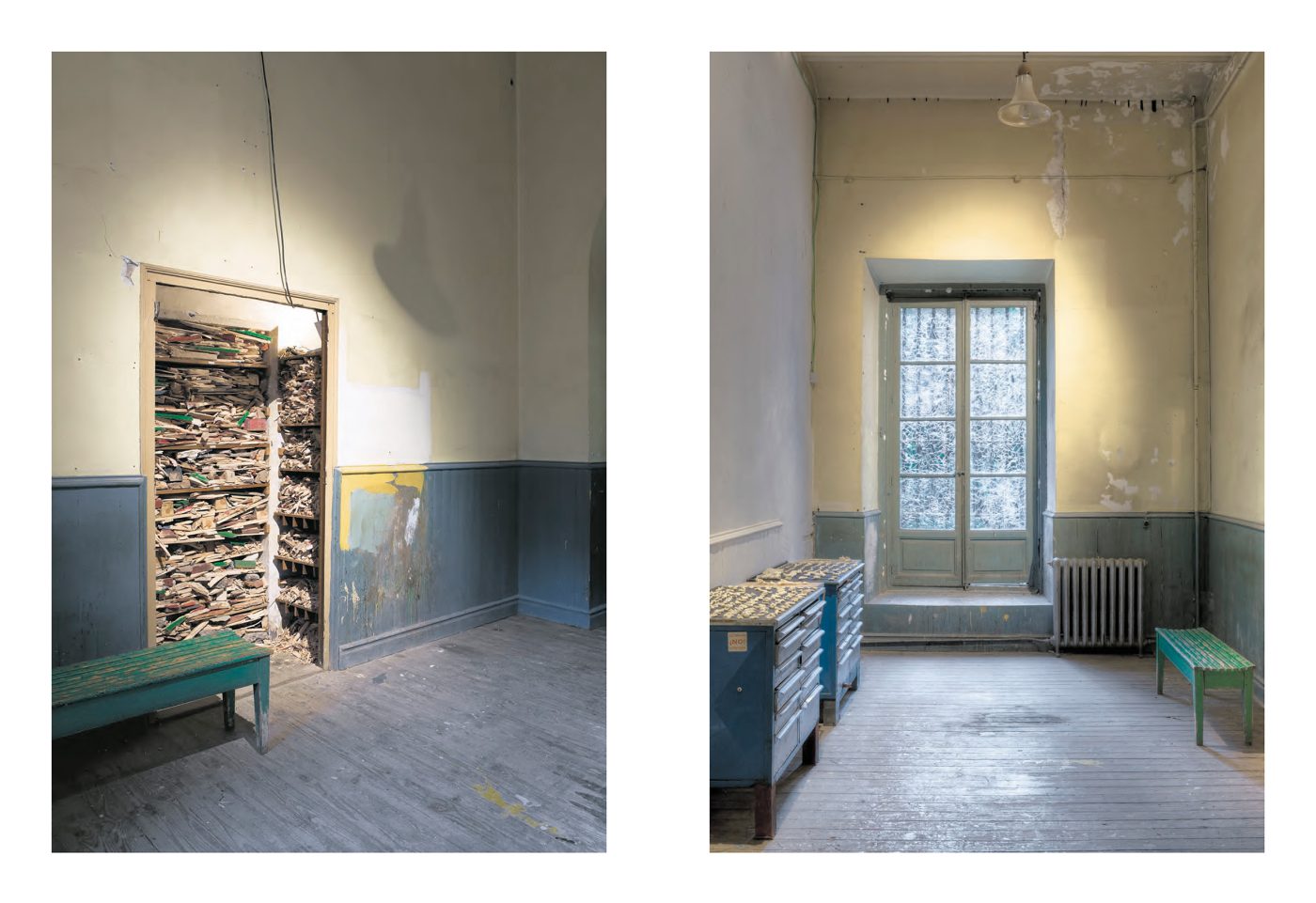
2014Eight Spatially Extraordinary Questions is set in the Tabacalera building, which has a rich history tied to a particular economic, political, and social context. This diverse location serves as the ideal setting for the eight site-specific artistic interventions created by the artists in the exhibition, with each intervention placed in its own distinct space.
Edit: Ministerio de Educación, Cultura y Deporte
Year: 2014
Texts: Virginia Torrente
Pages: 64
Language: Spanish, English
Eight Spatially Extraordinary Questions is set in the Tabacalera building, which has a rich history tied to a particular economic, political, and social context. This diverse location serves as the ideal setting for the eight site-specific artistic interventions created by the artists in the exhibition, with each intervention placed in its own distinct space.
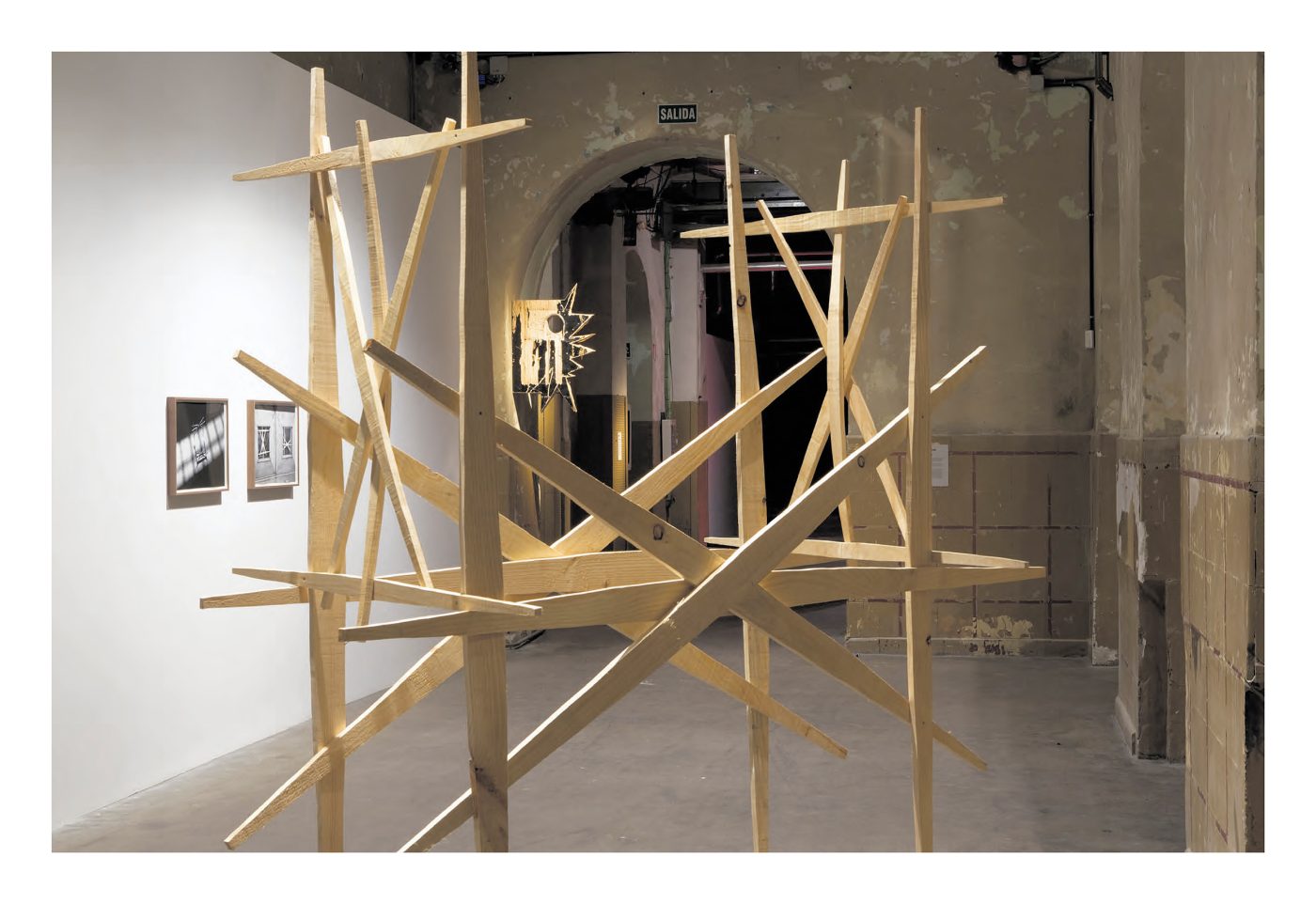
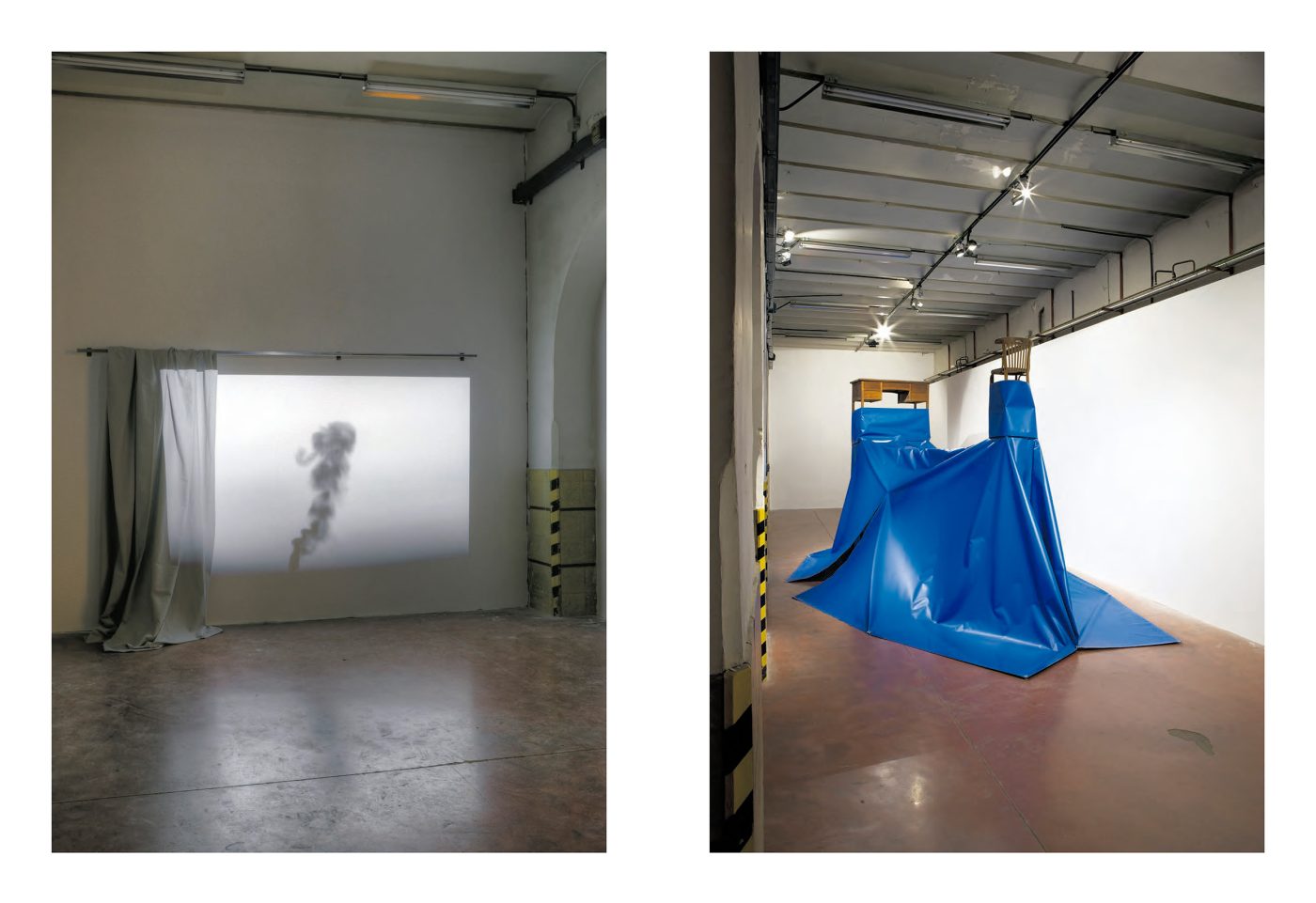
Jacobo Castellano, Miren Doiz, Nuria Fuster, Fernando García, Hisae Ikenaga, Jaime de la Jara, Guillermo Mora, and Miguel Ángel Tornero each have unique artistic paths. However, they all embrace the challenge of working in a distinct environment, where doubts and questions arise that require exploration and resolution. Their works share a common theme: each creator, drawing from their ideas, delves into the concepts of memory and forgetfulness associated with household objects, furniture, and other everyday items.
The creative process, which is essential to the works presented in this exhibition, begins with the original or alternative purposes for which the materials were designed. From this starting point, the possibility emerges for these materials to fulfill new functions, shaped by the artist’s vision. In their deconstruction of these items, the artists seek hidden identities, propose new uses, explore conceptual perspectives, or simply highlight the absurdity of the materials and commonplace objects that surround us, each from their unique point of view.
What is truly significant is the lasting impact of the artwork, whether it is ephemeral or permanent, as a testament to the creativity and imagination of its creator.

IT MUST BE SEEN.
The Autonomy of Color in Abstract Art
Catalog published for the exhibition “It Must Be Seen. The Autonomy of Color in Abstract Art” from February 28 to June 8, 2025, at the Juan March Foundation, Madrid.
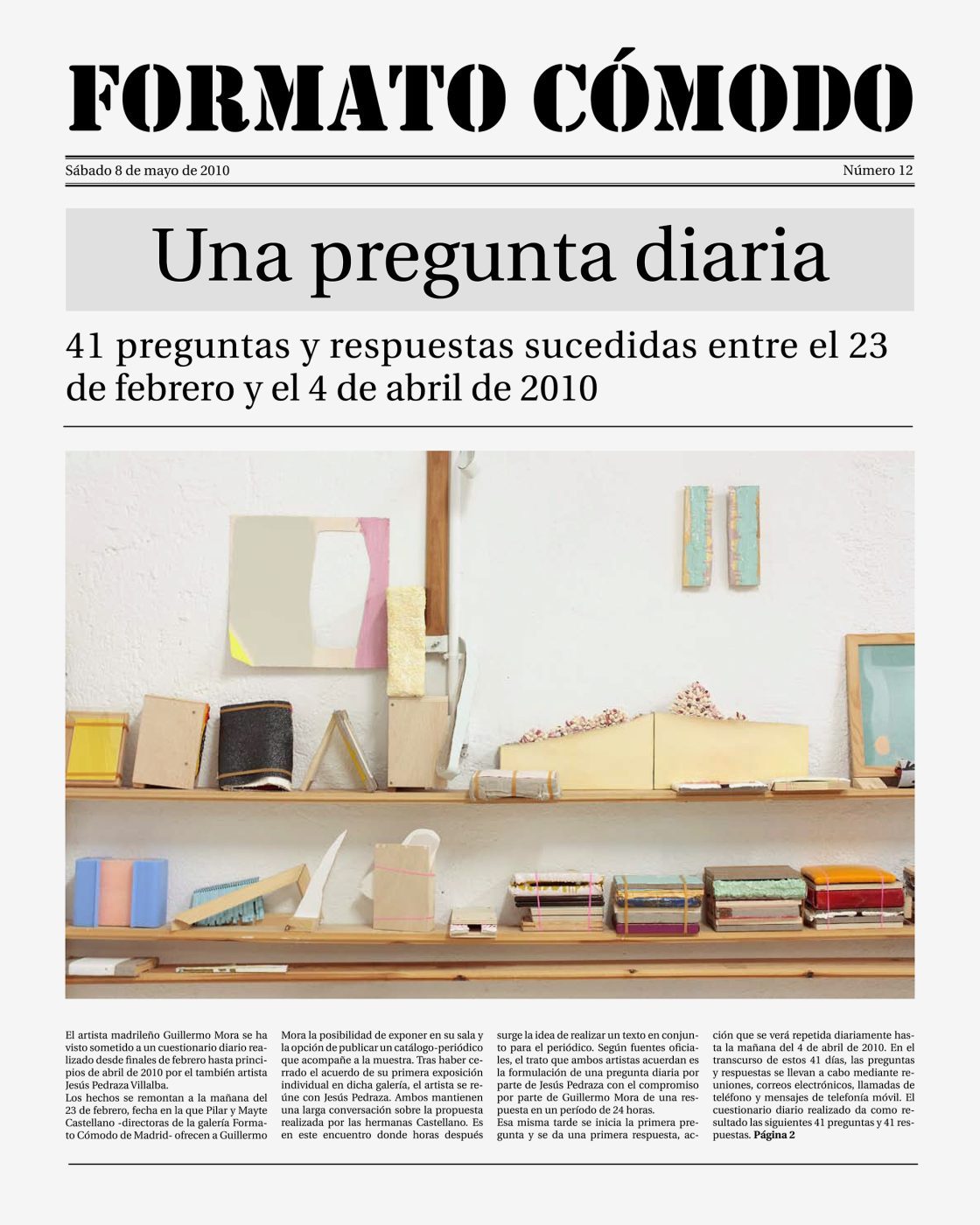
UNA PREGUNTA DIARIA
Catalogue-newspaper published by Formato Cómodo Gallery on the occasion of the solo exhibition “A Daily Question” by Guillermo Mora.
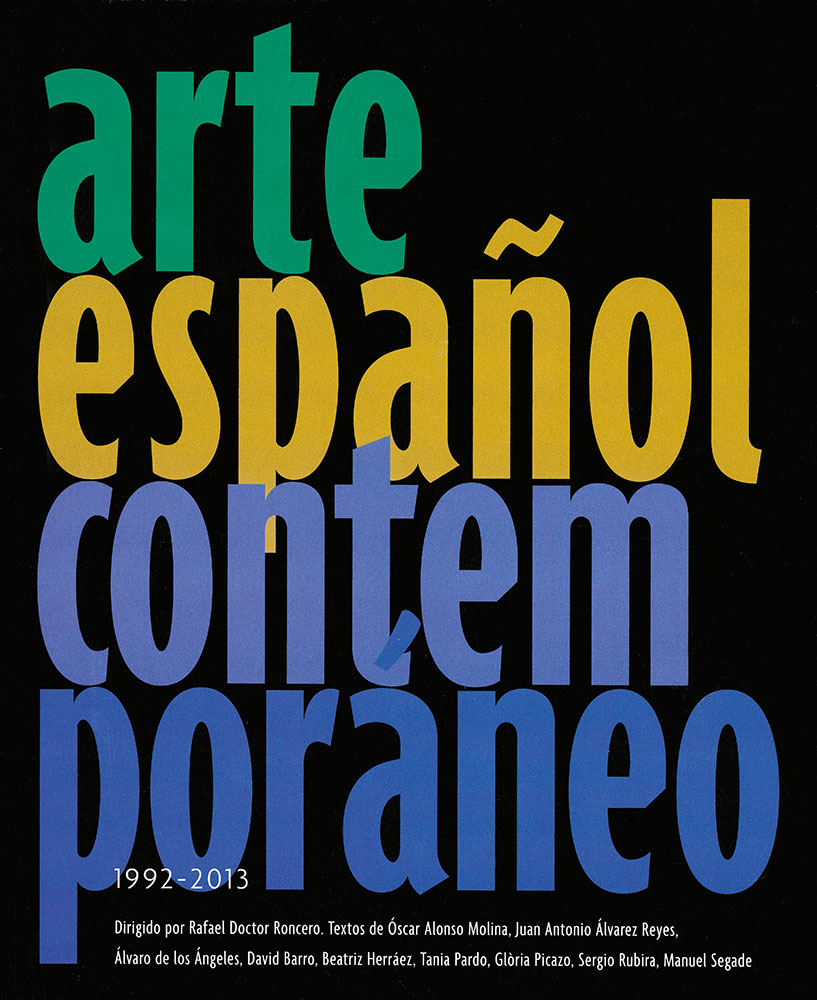
ARTE ESPAÑOL CONTEMPORÁNEO
1992 – 2013
La Fábrica publishes Arte Español Contemporáneo 1992-2013, a volume directed by Rafael Doctor, created to serve as a tool for mapping Spanish art of the last two decades.