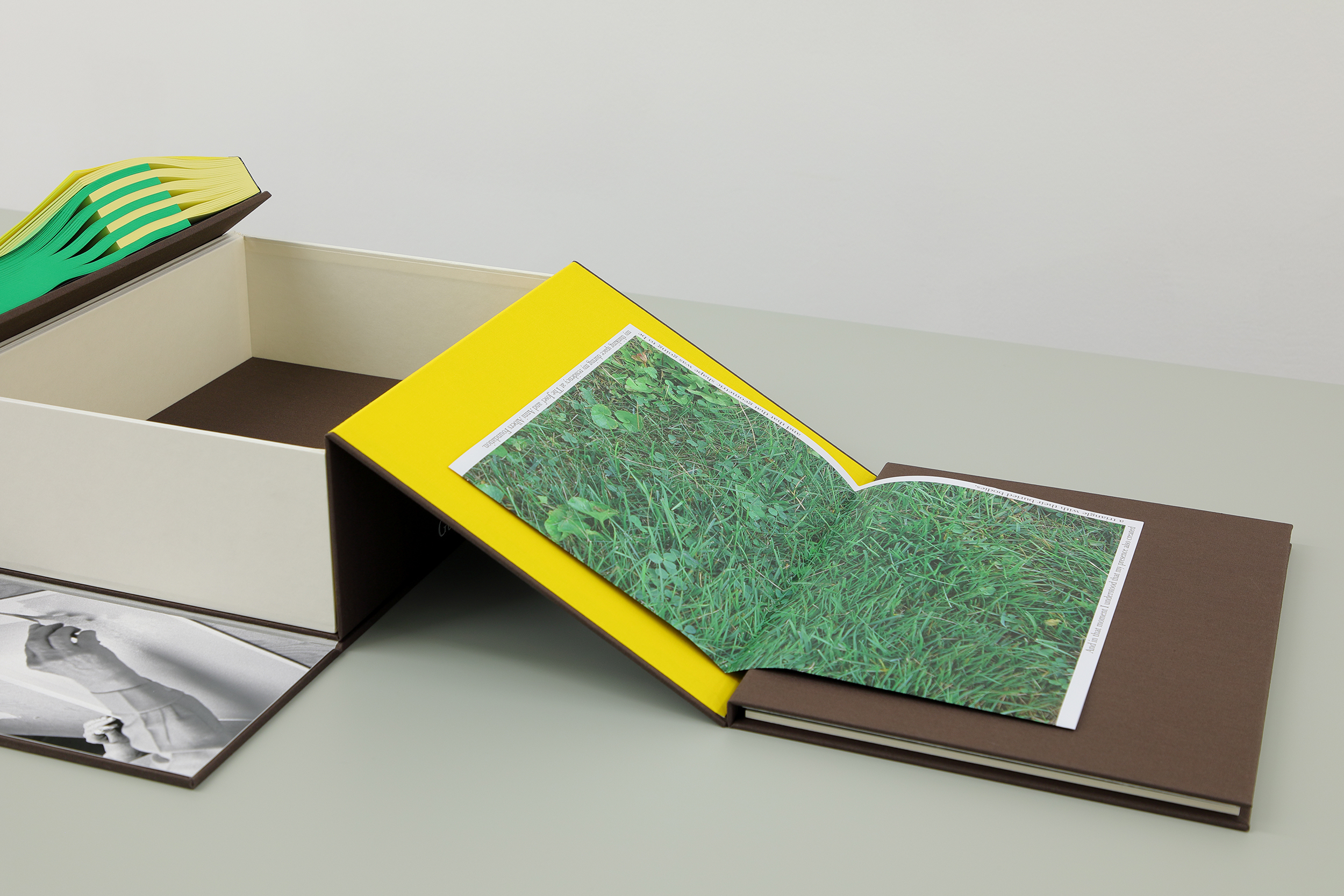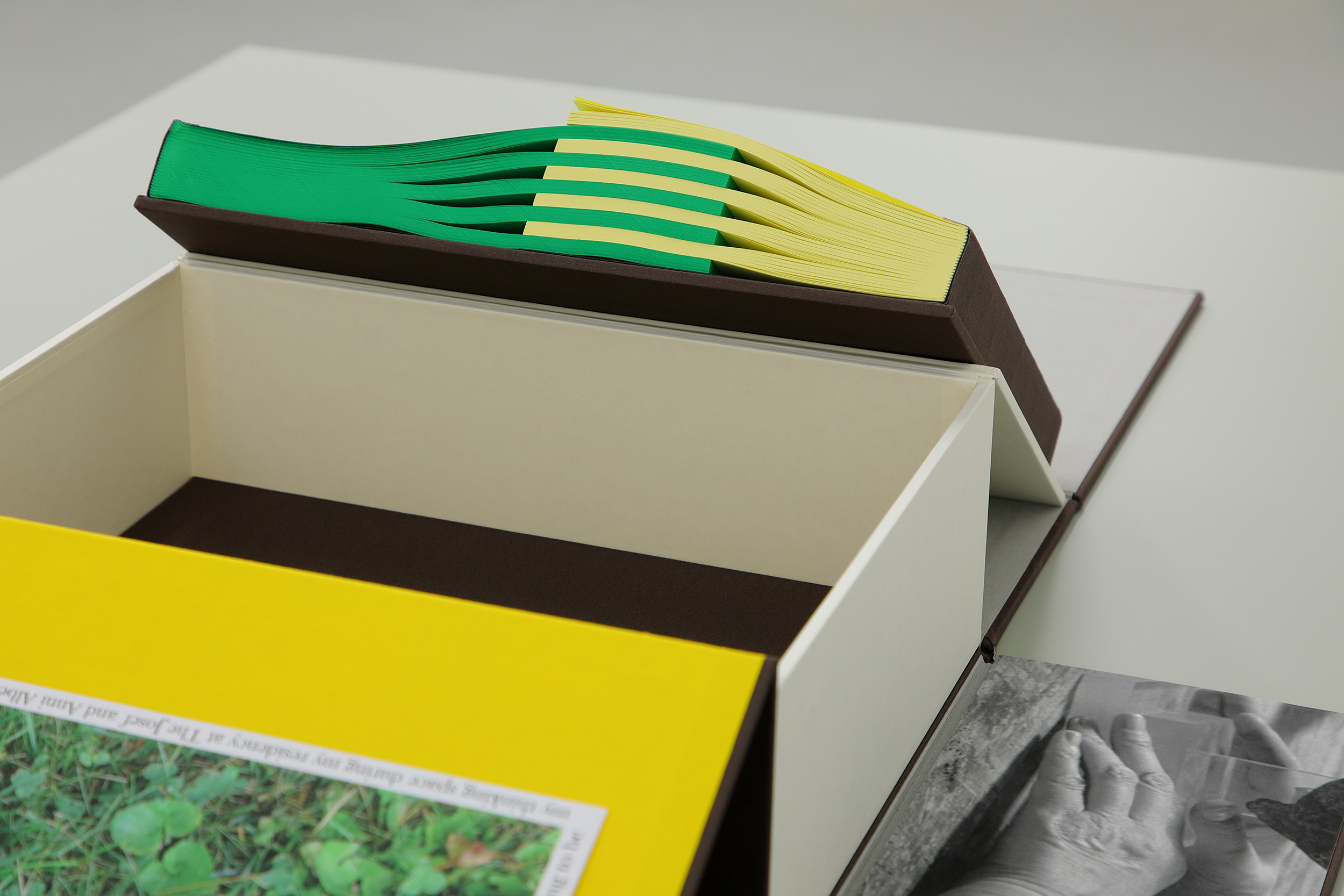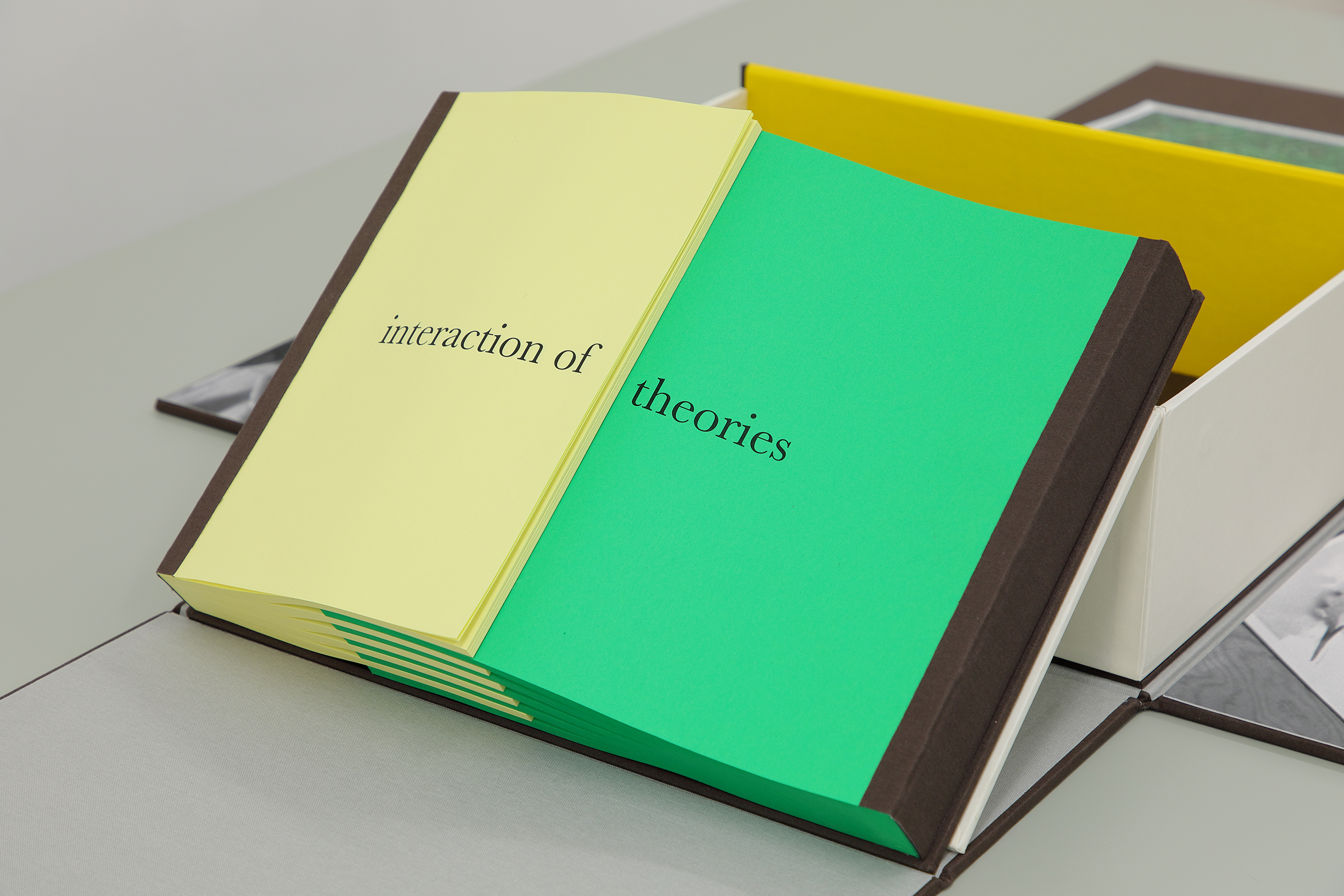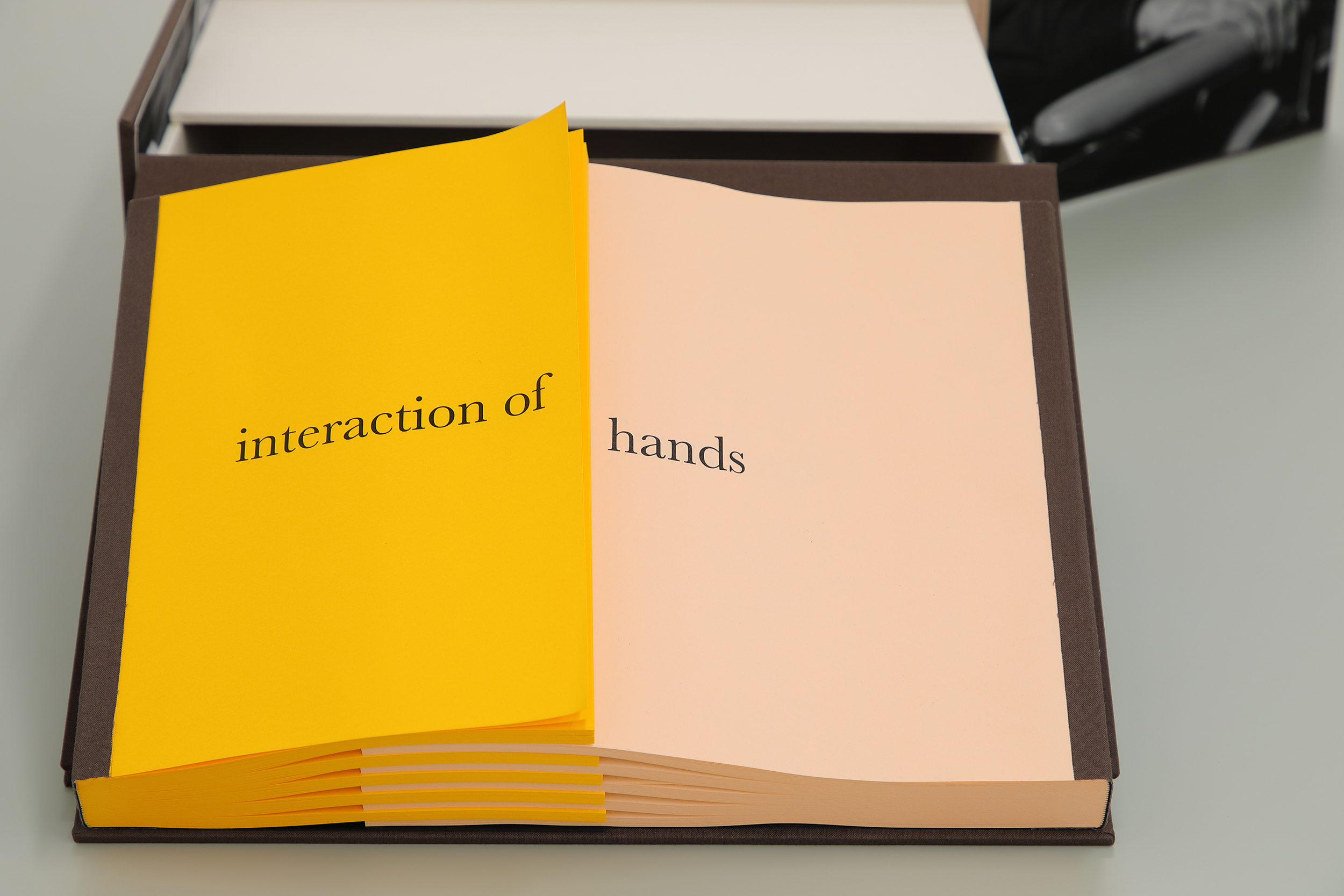
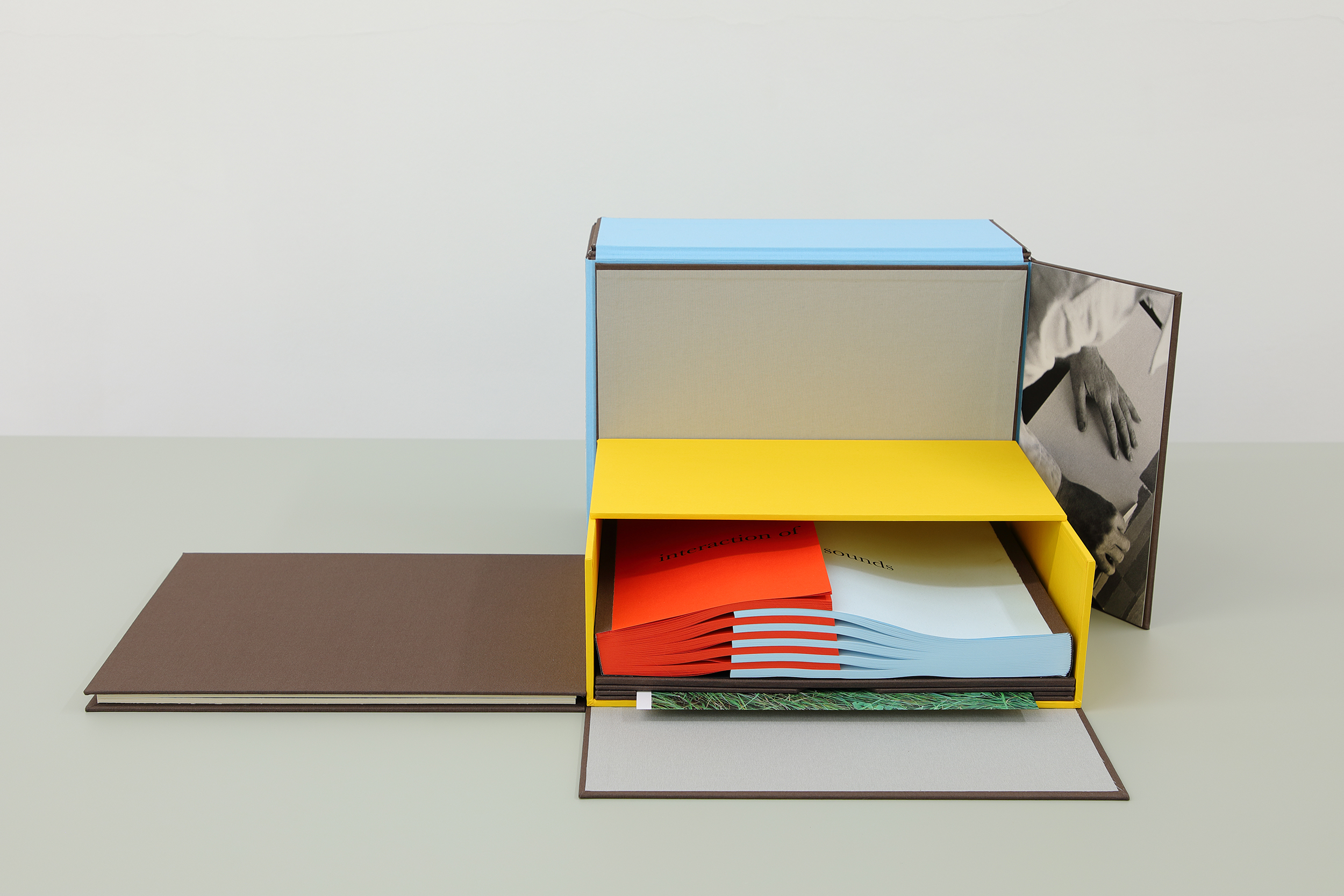
“From this triangle came the heart of each box: two intersecting books that speak, not of the interaction of color, but of the idea of interaction itself through 250 reflections. They talk about interaction between creatures, interaction in the world, the interaction between these two artists, and my own interaction with their legacy during the two months I spent in the woods of Bethany.”
Guillermo Mora
In 1963, Josef Albers published Interaction of Color, an odd object-book that condensed much of the artist’s decades of research into color. That same year, Anni Albers visited the Tamarind Lithography Workshop in Albuquerque, New Mexico, for the first time and made her first lithographs.
With Interaction of Color, Josef created a three-dimensional dispositif that augmented color in space by manipulating it: an object that went from flatness to volume, from compression to expansion, and imbued color with narrative meaning. Meanwhile, Anni was venturing onto the horizontal plane with lithography, pursuing new inquiries into geometry and color, and breaking away from the vertical processes required by fabric.
It was no coincidence that the optic and the change of plane burst into Anni Albers’s work, nor was it coincidental that the objectual and corporeal invaded Josef Albers’s book. Anni’s work plunged into Josef’s, and Josef’s work delved into Anni’s. And this was the starting point of the journey that led me to the Josef & Anni Albers Foundation.
On August 5, 2024, I arrived at the Albers Foundation in the state of Connecticut (USA) with the aim of tracking that overlap in the oeuvre of these two artists. I have always been fascinated by the porous, symbiotic nature of creative processes, and by the intermediate spaces generated by intersecting languages and disciplines. Therefore, being able to rummage the Albers archives was an exciting opportunity for me.
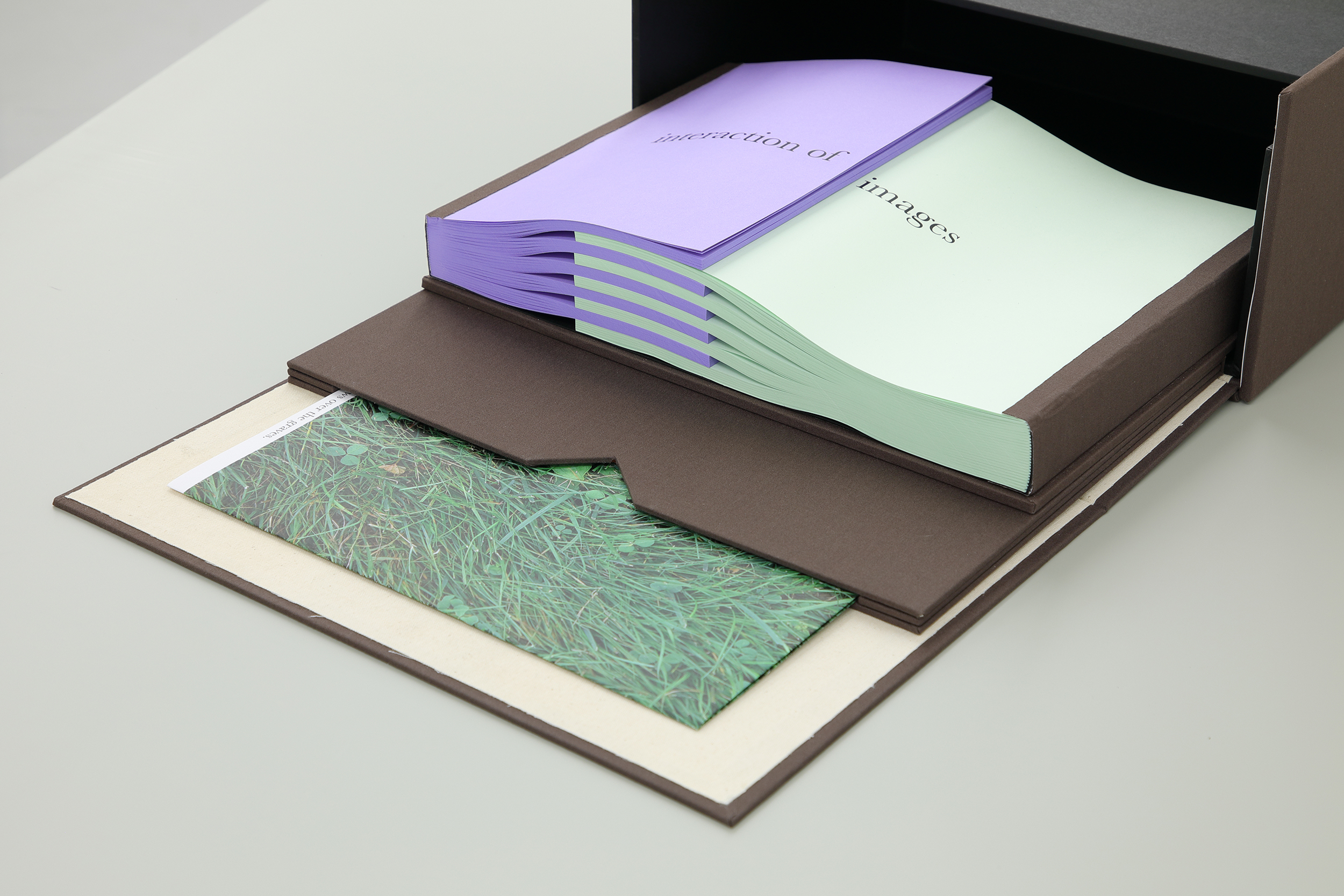
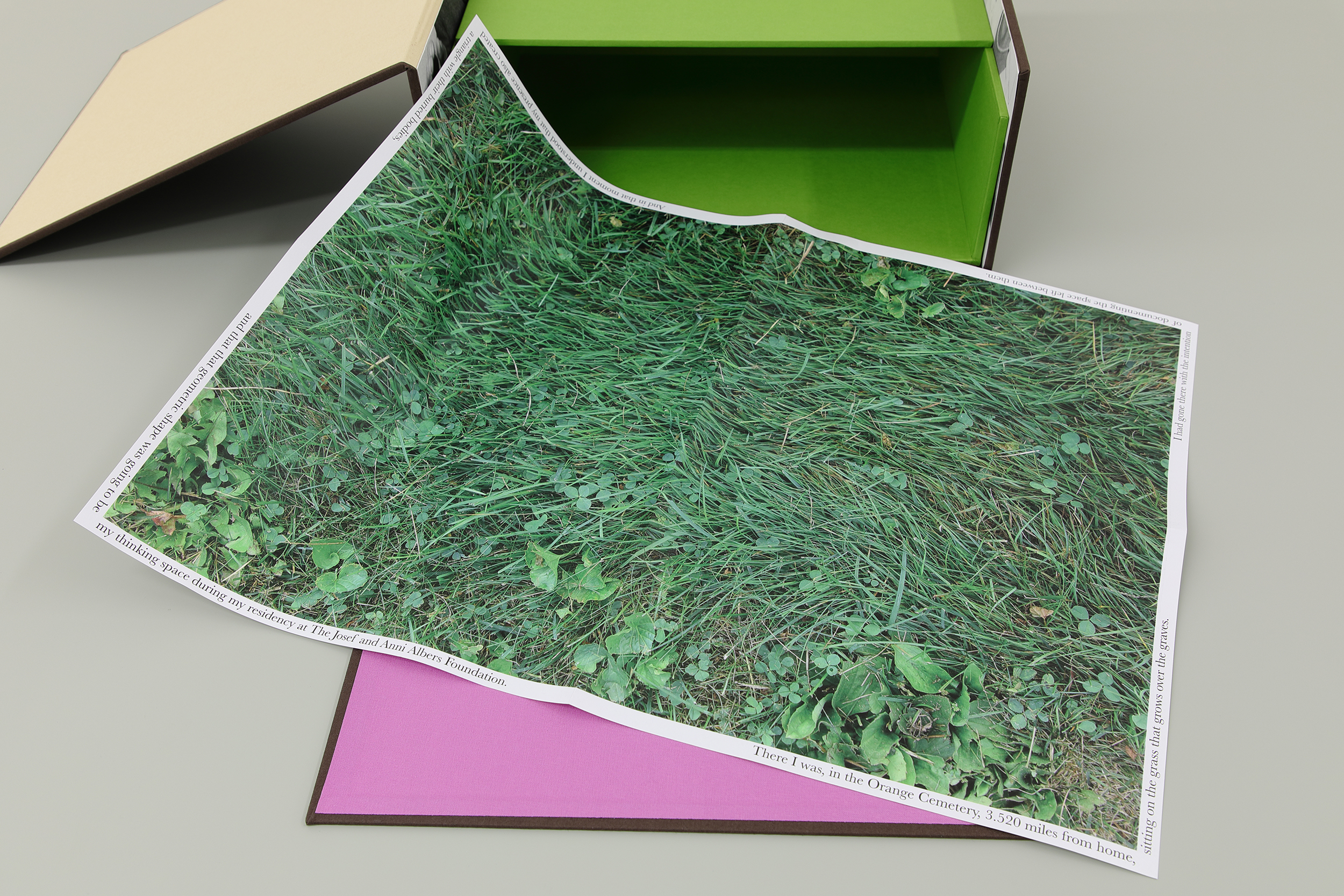
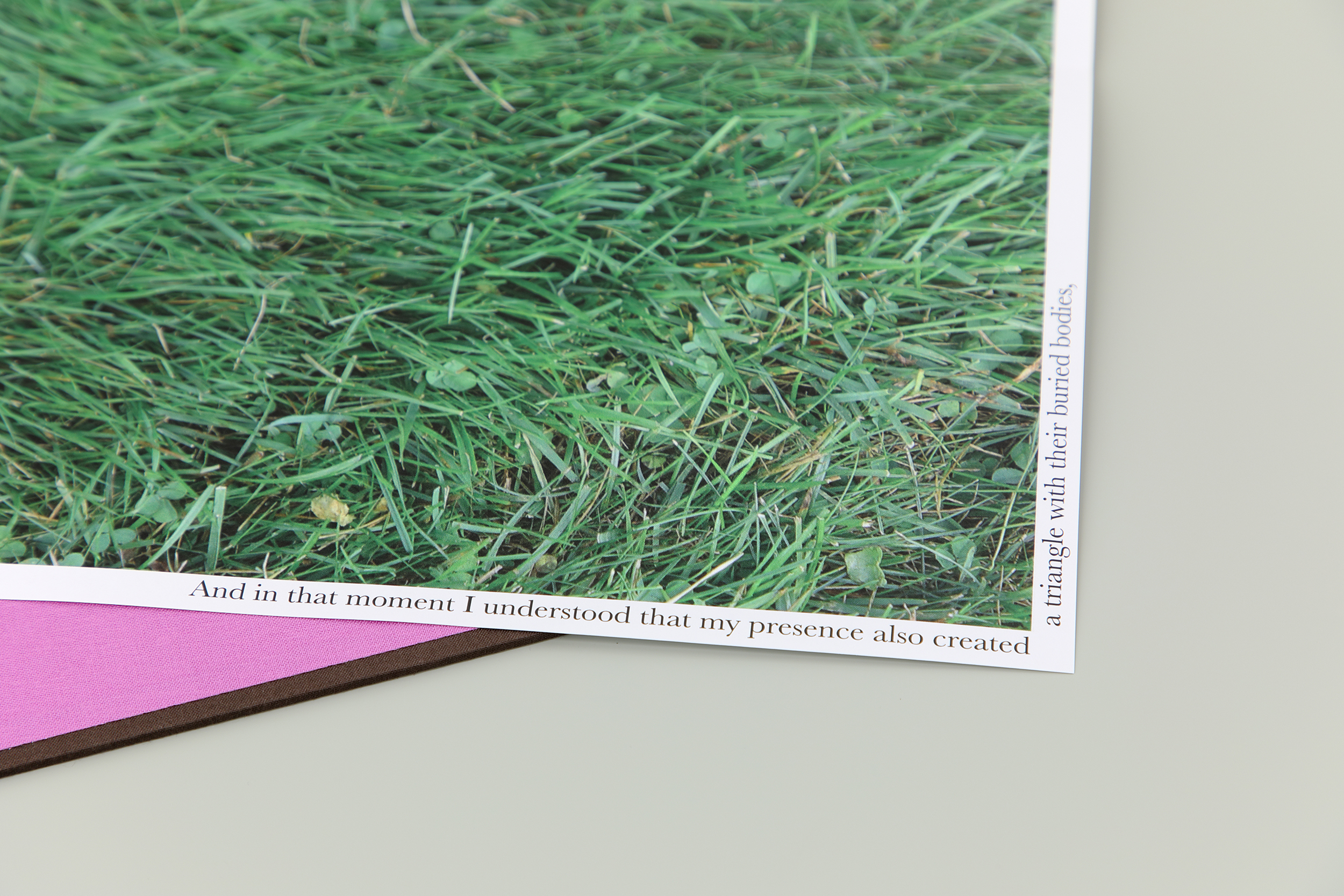
I started my adventure by interacting with the forest. Days later, I began to interact with Josef and Anni’s legacy. I initially approached them via the books in the foundation’s library. I became familiar with their thoughts, habits, and processes. I surreptitiously visited the residences they had called home, one at 8 North Forest Circle in New Haven and the other at 808 Birchwood Drive in Orange. I also went to the Orange Cemetery, where their names are carved on two minimalist granite blocks located 25.5 centimeters apart. Two blocks that looked like pillows, and green grass covering their interred bodies like a quilt.
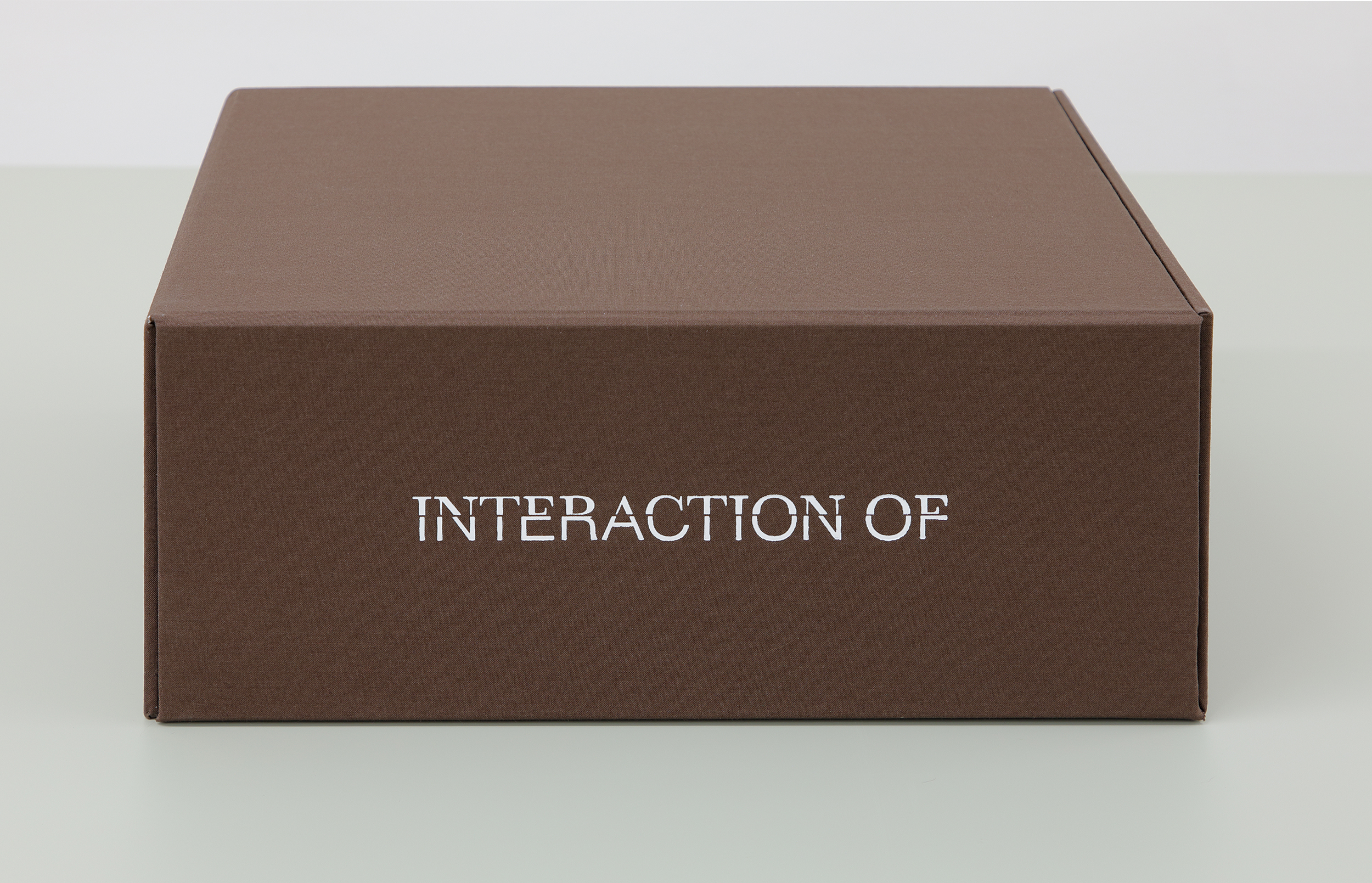
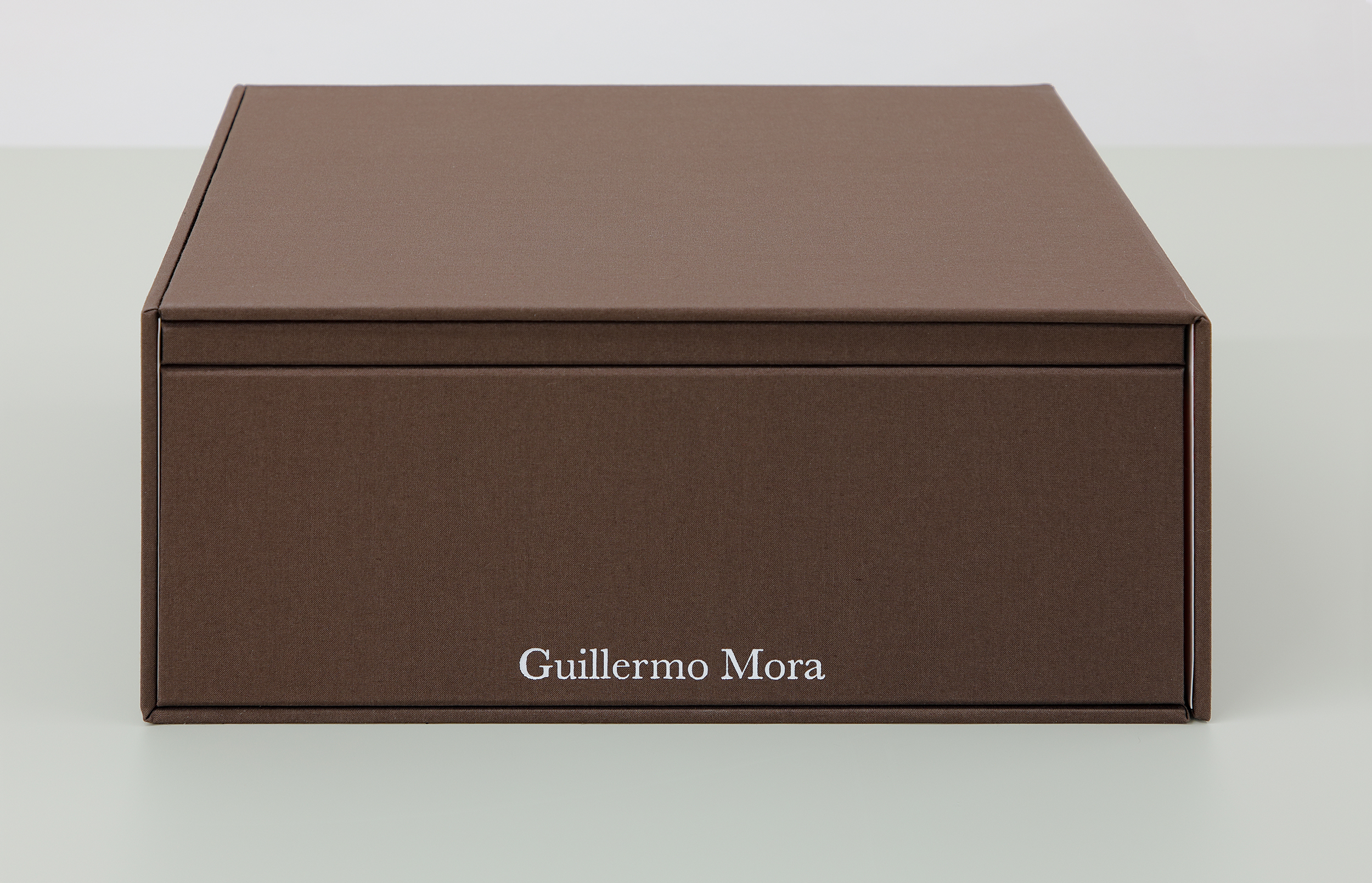
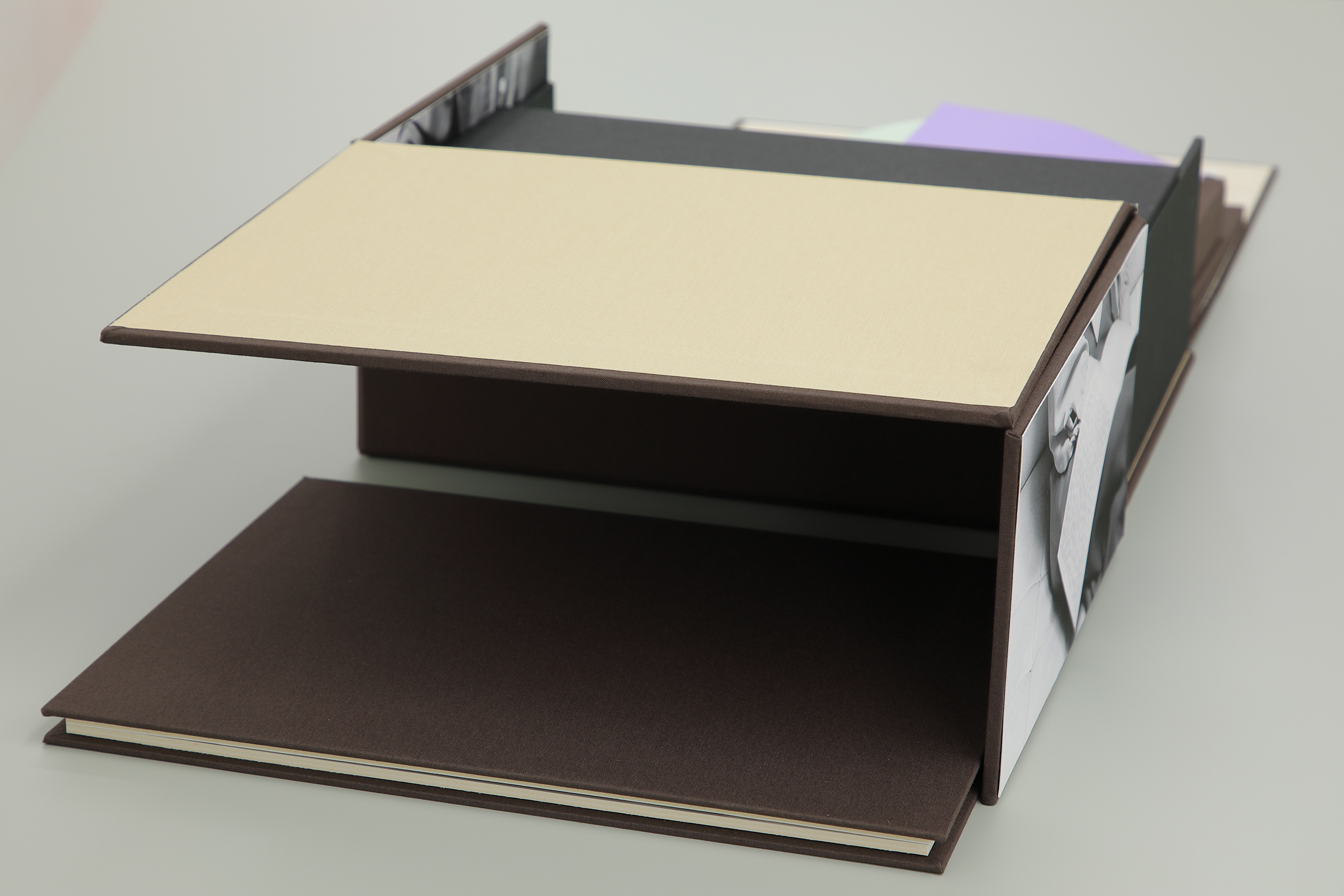
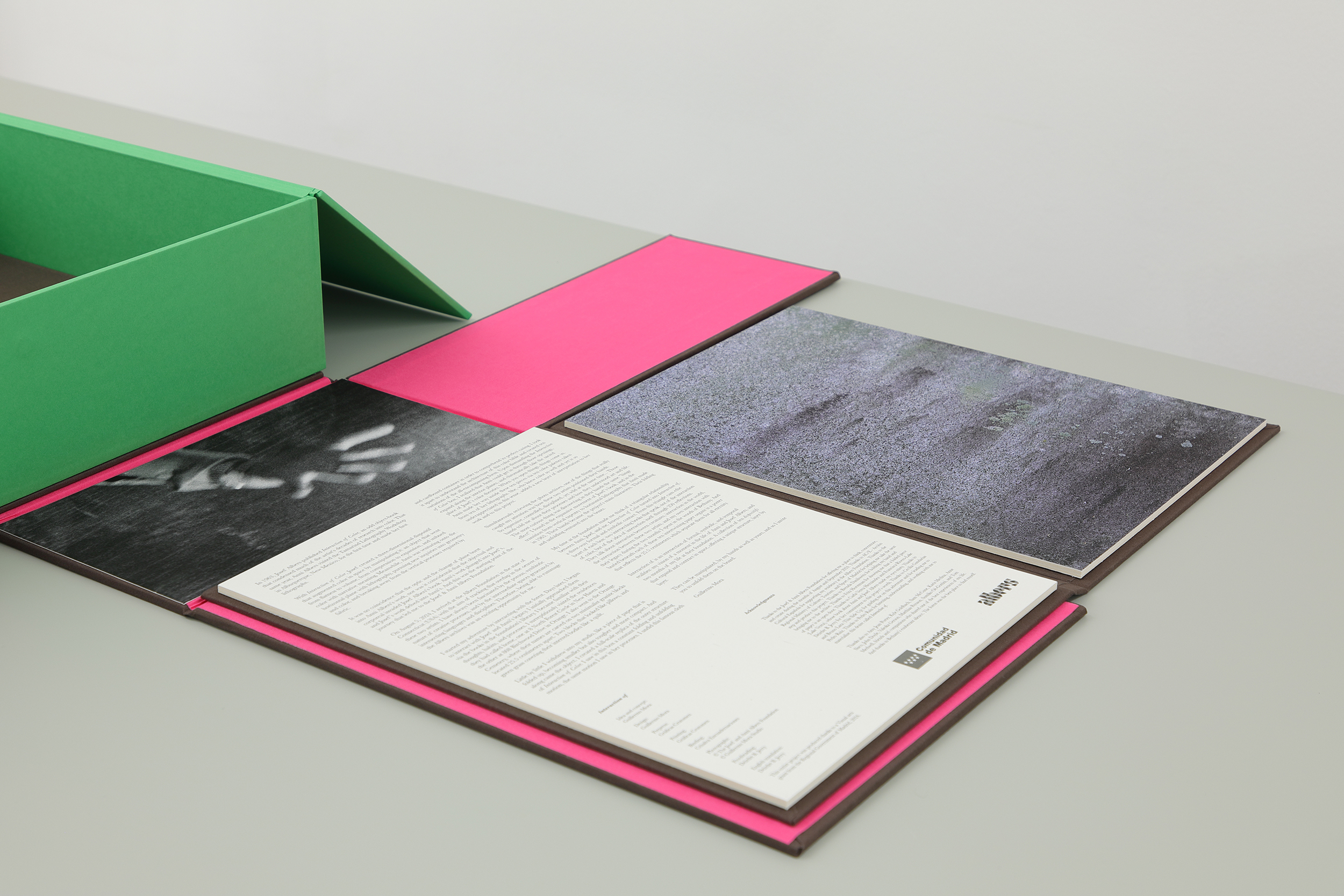
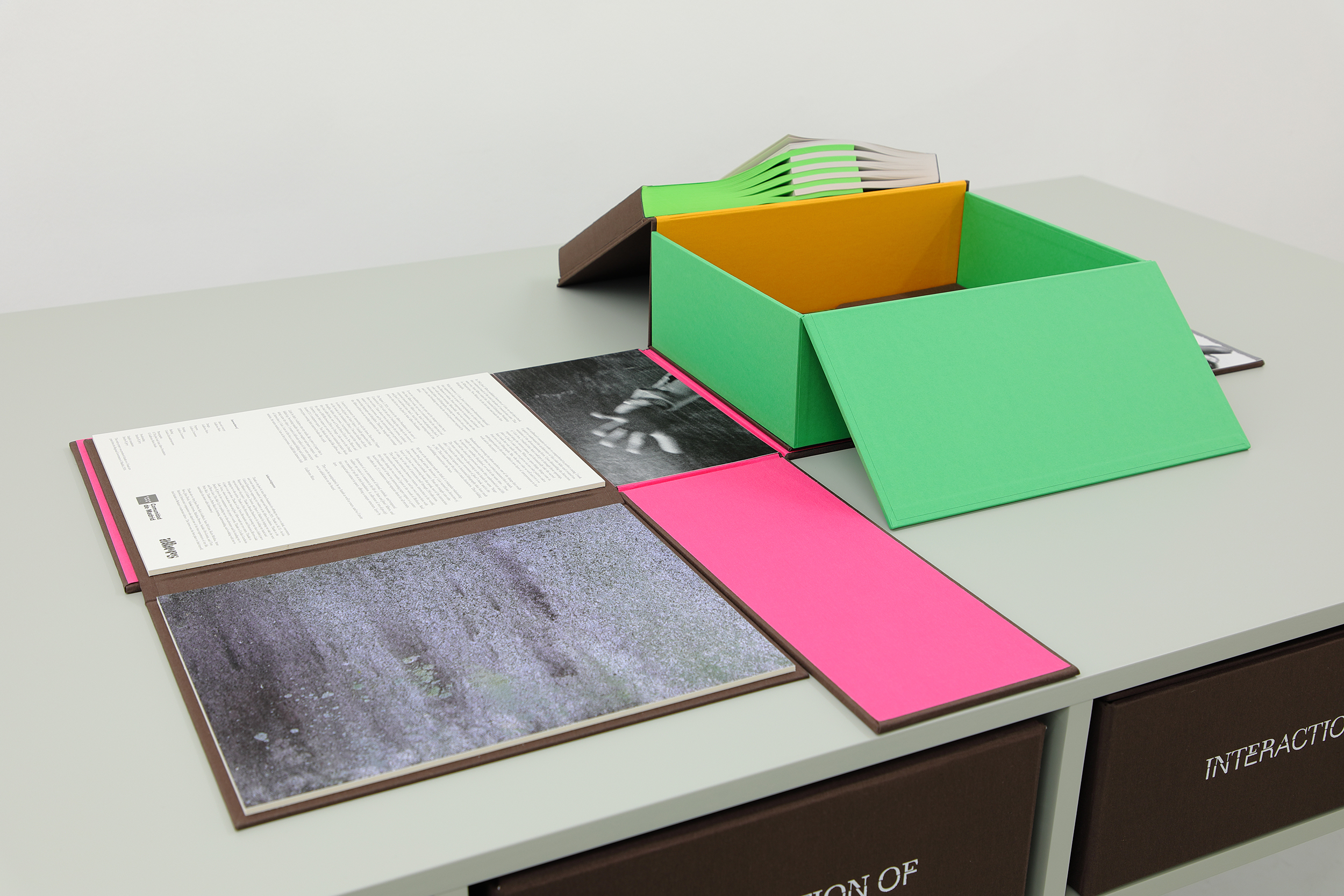
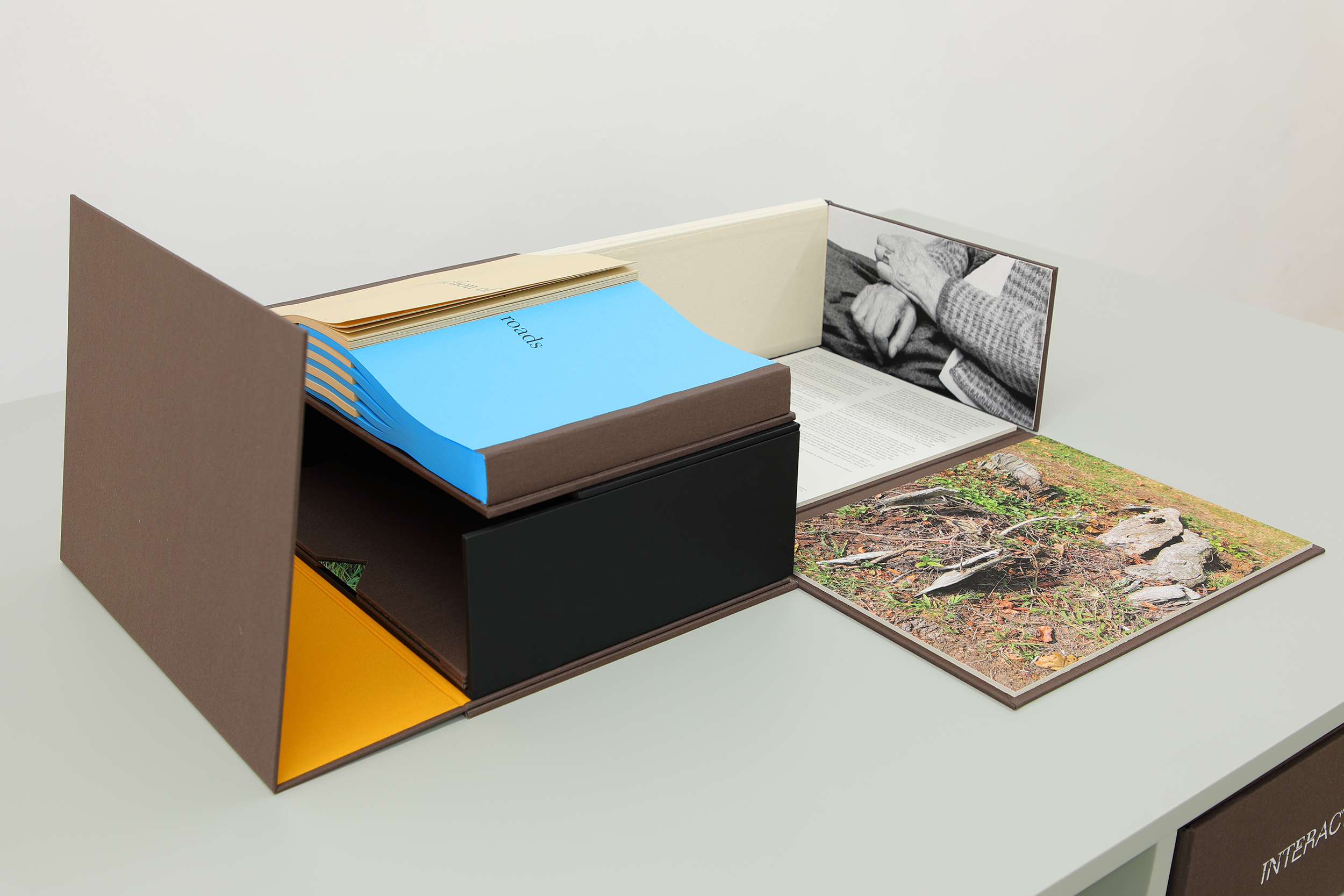
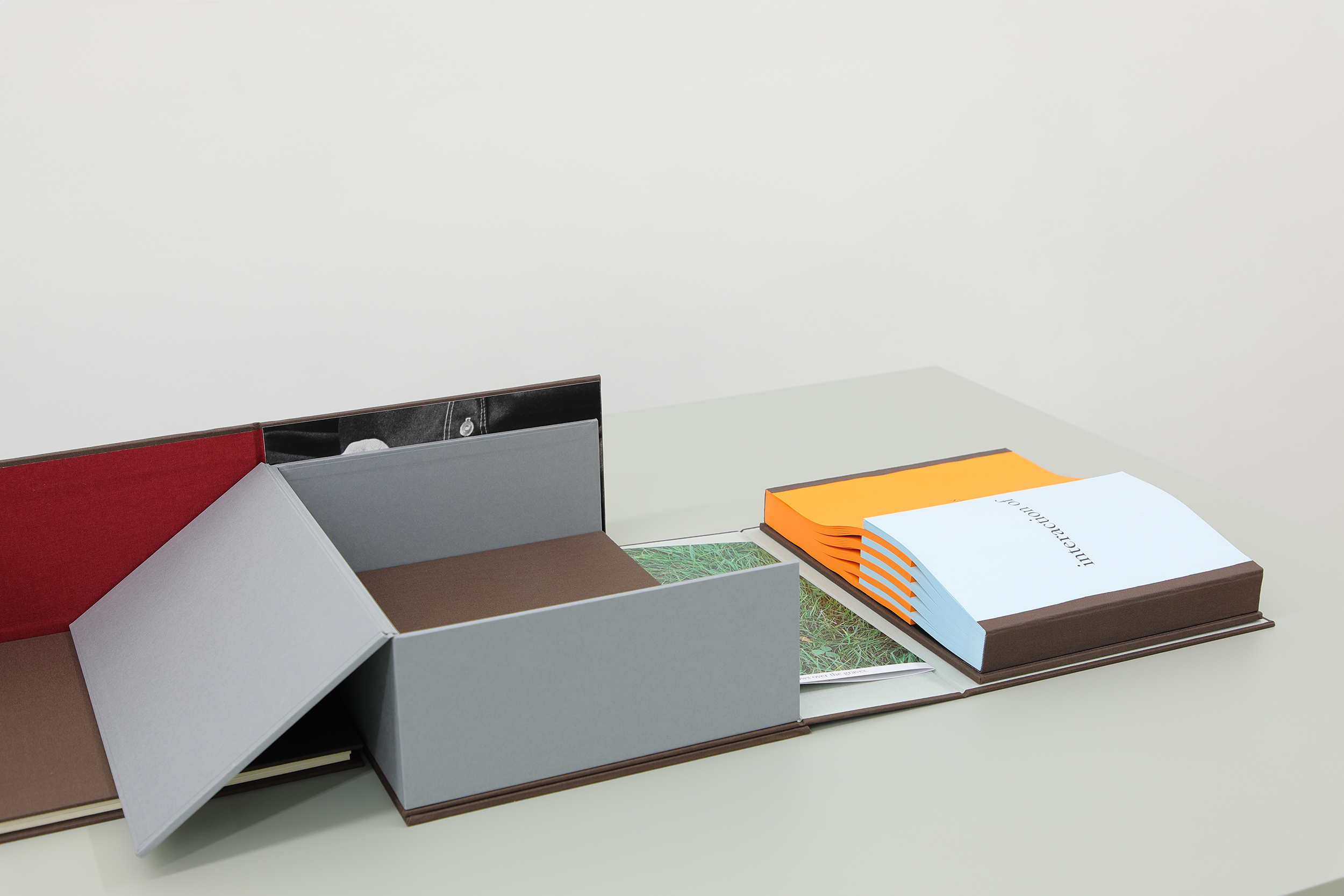
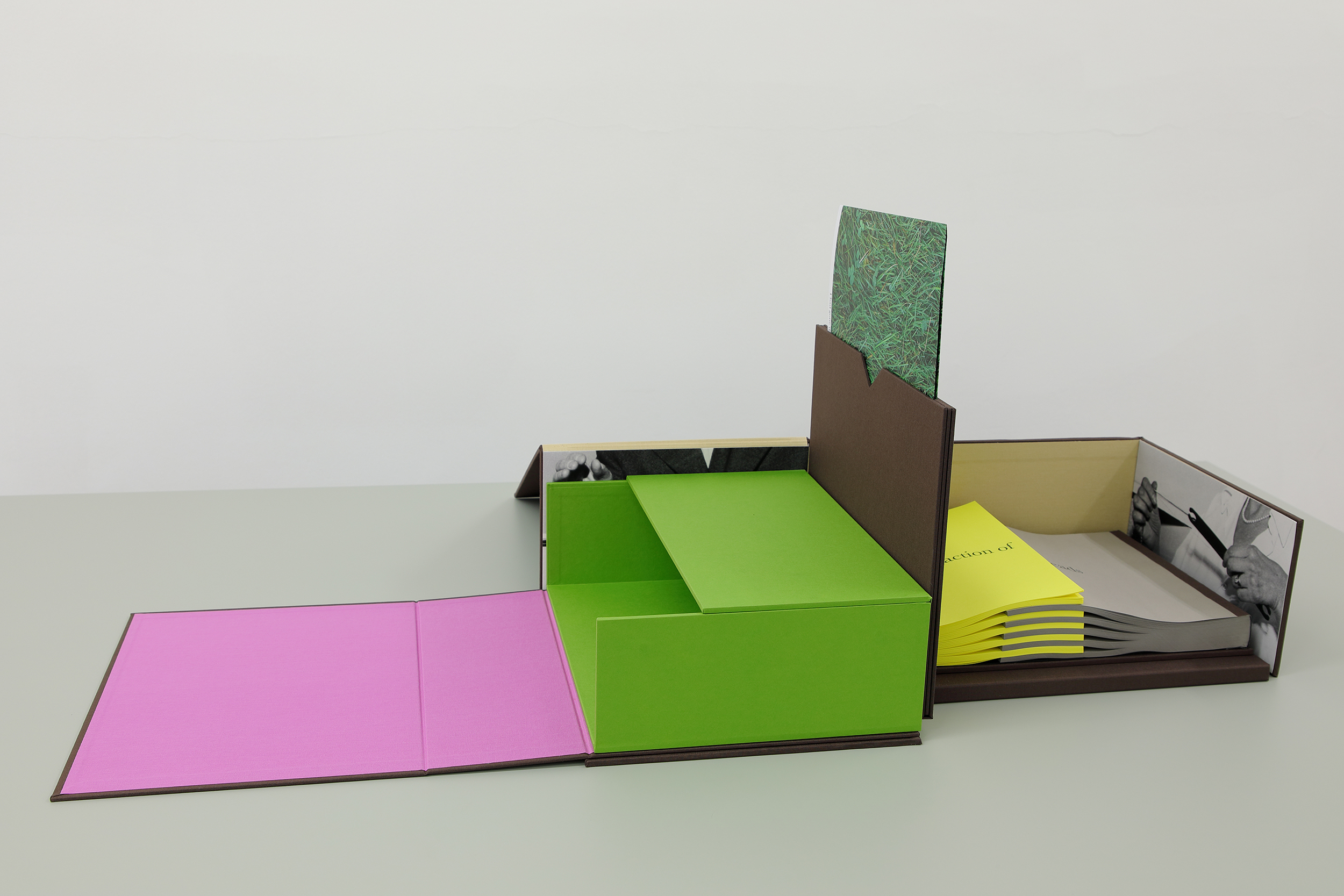
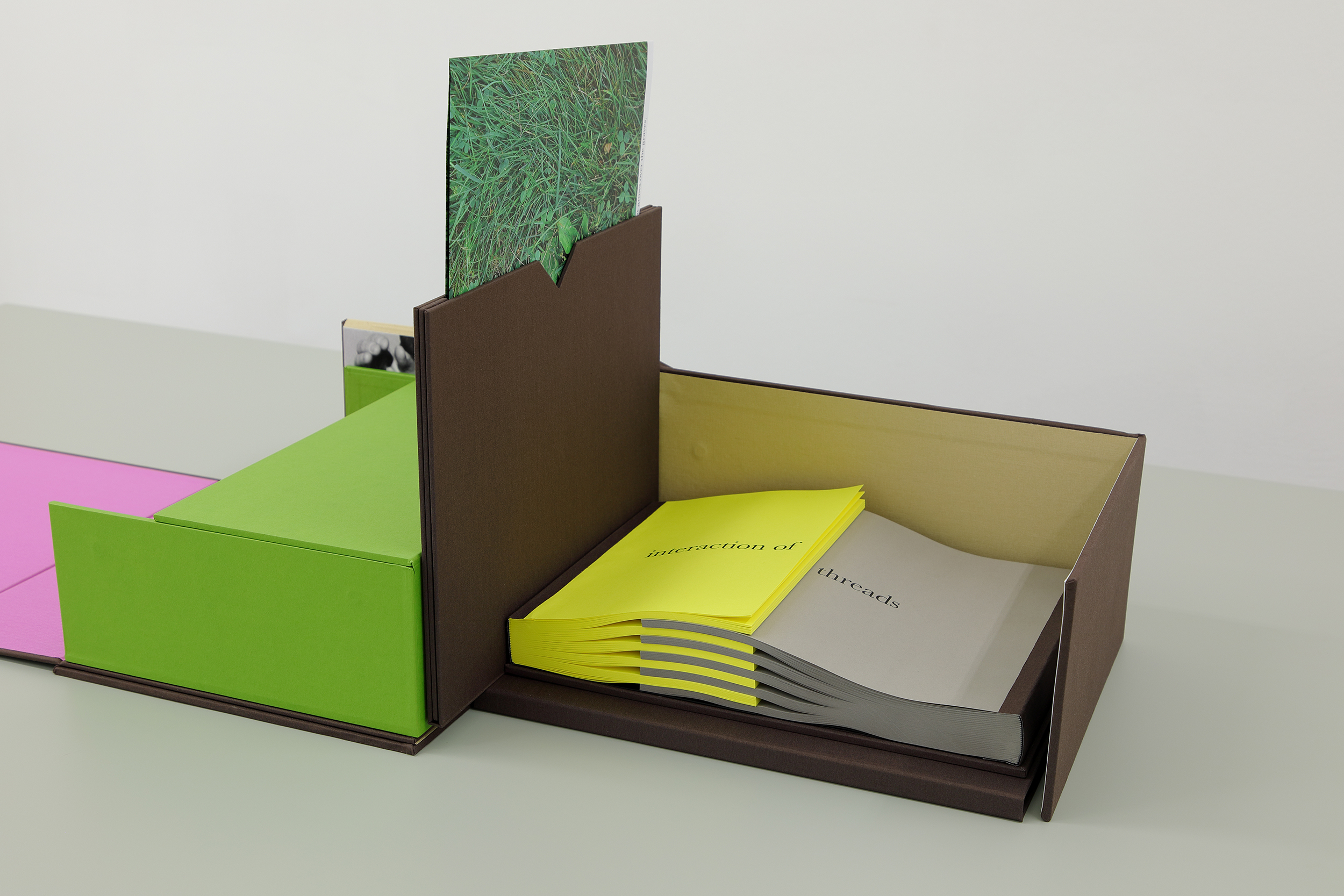
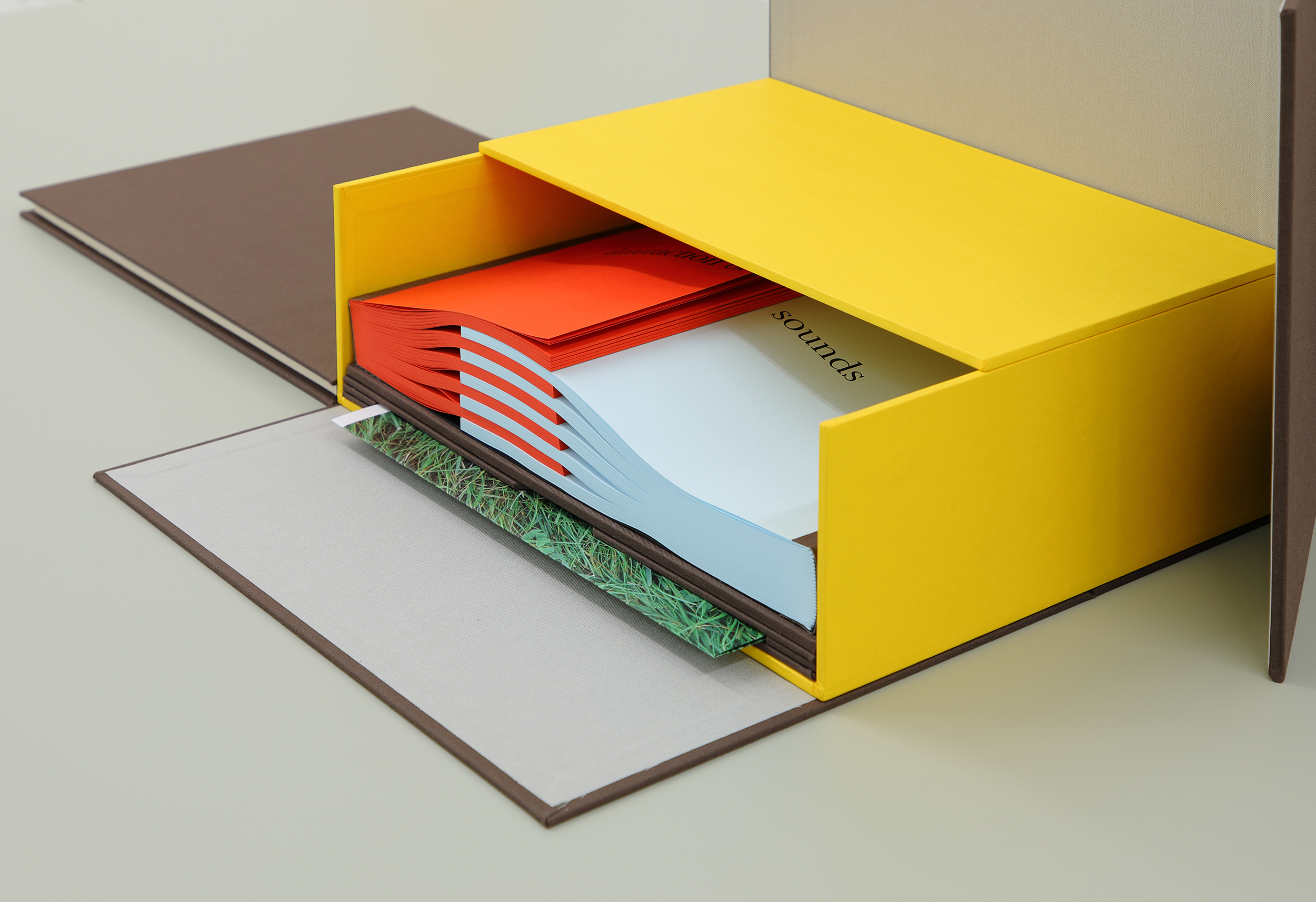
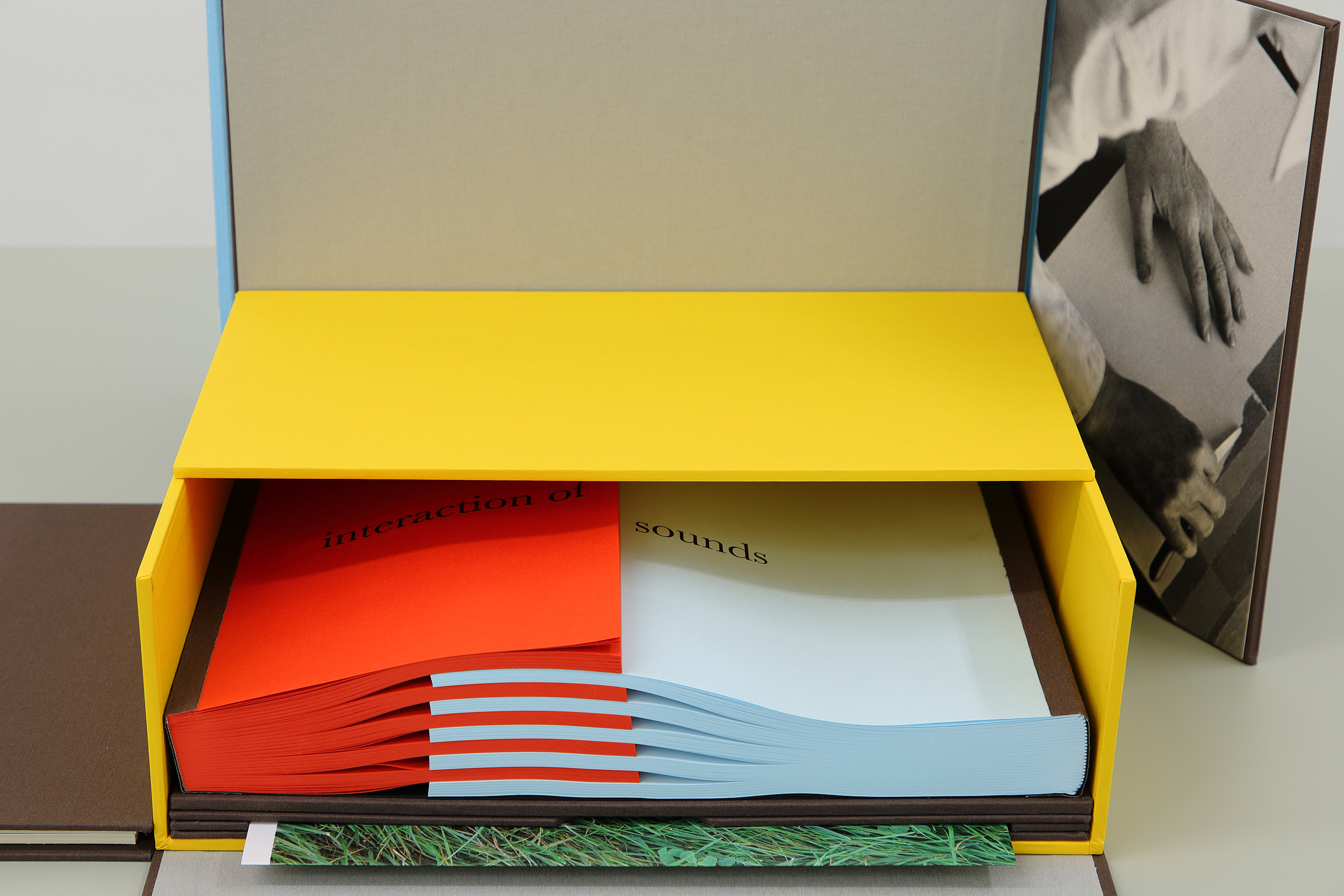
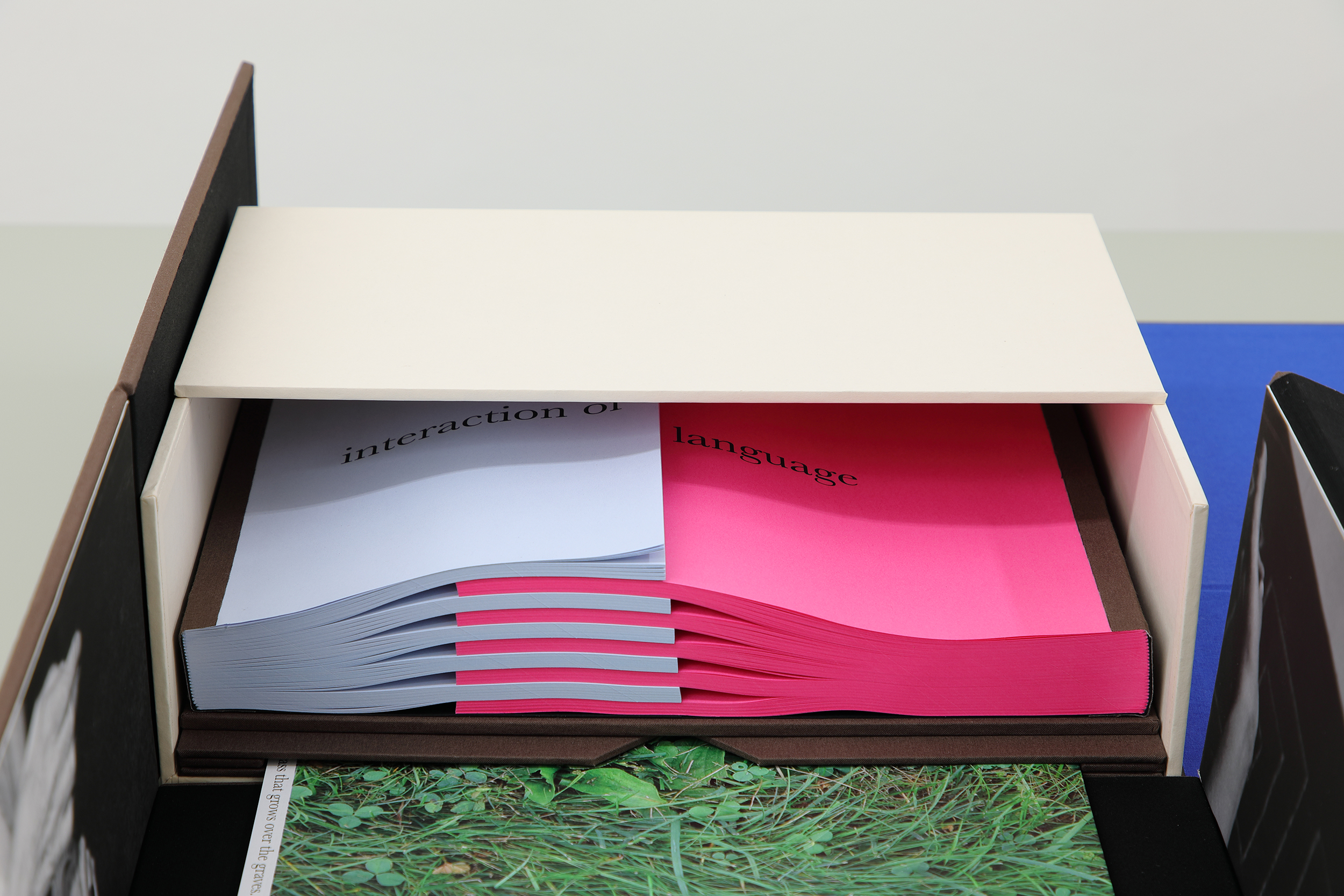
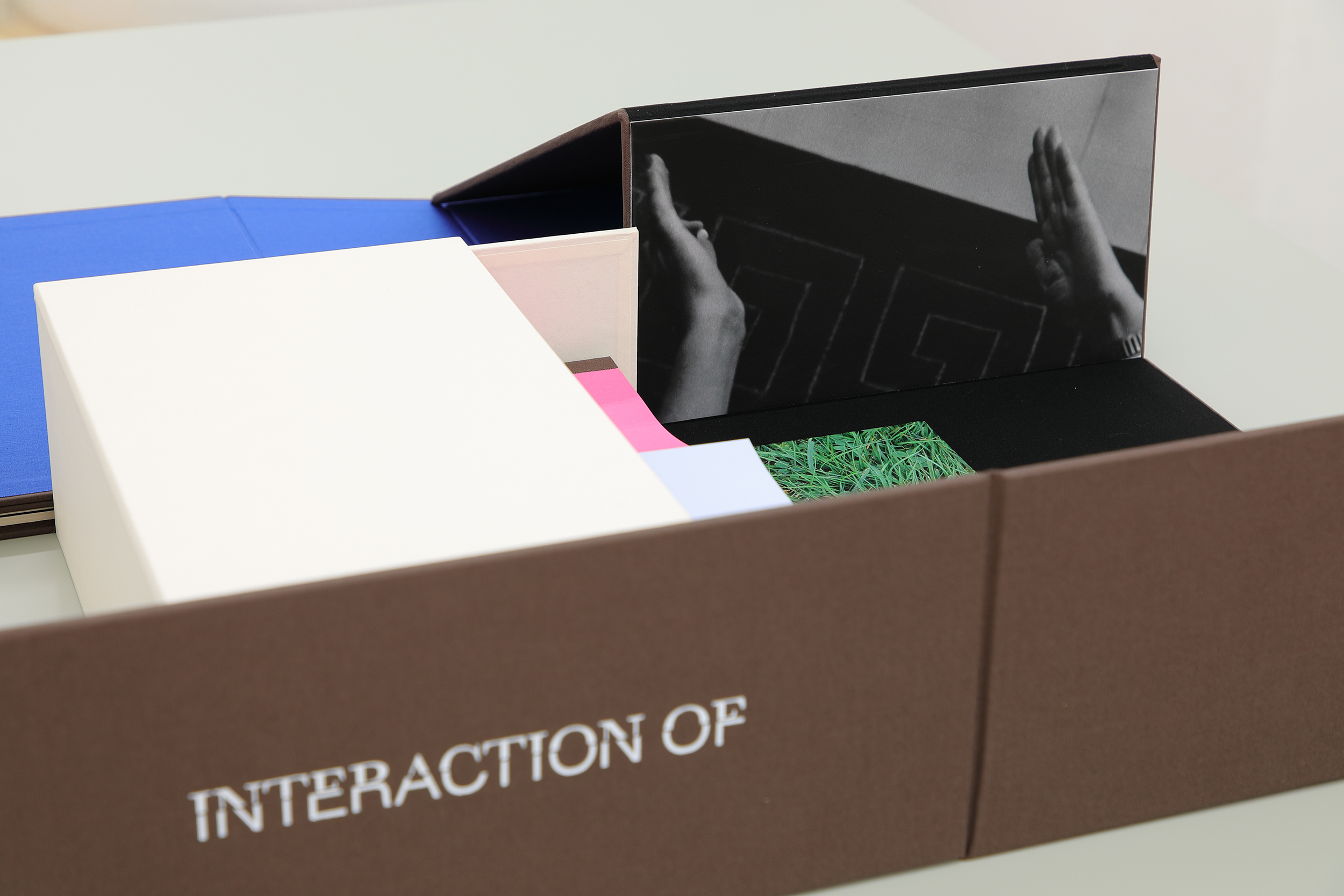
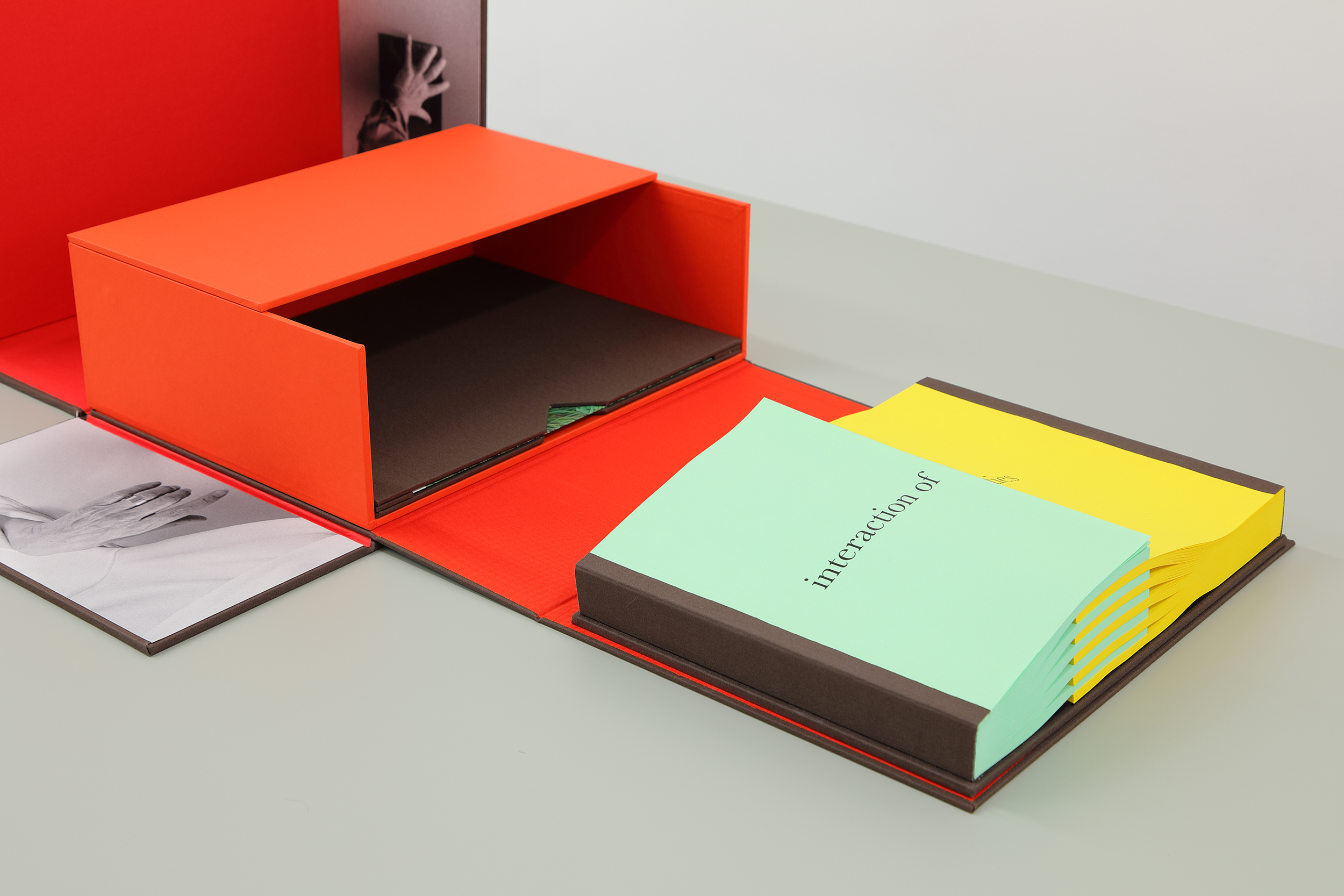
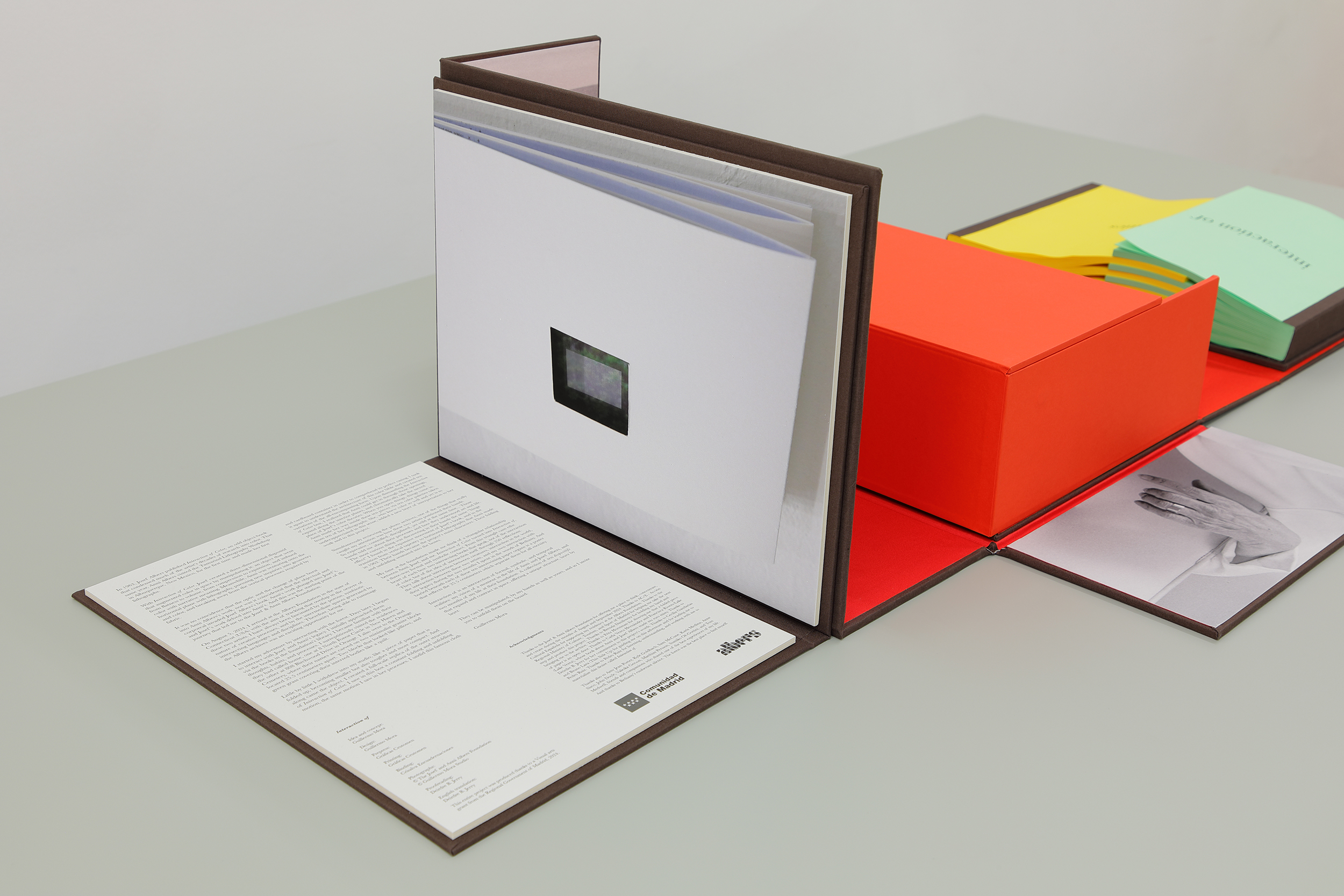
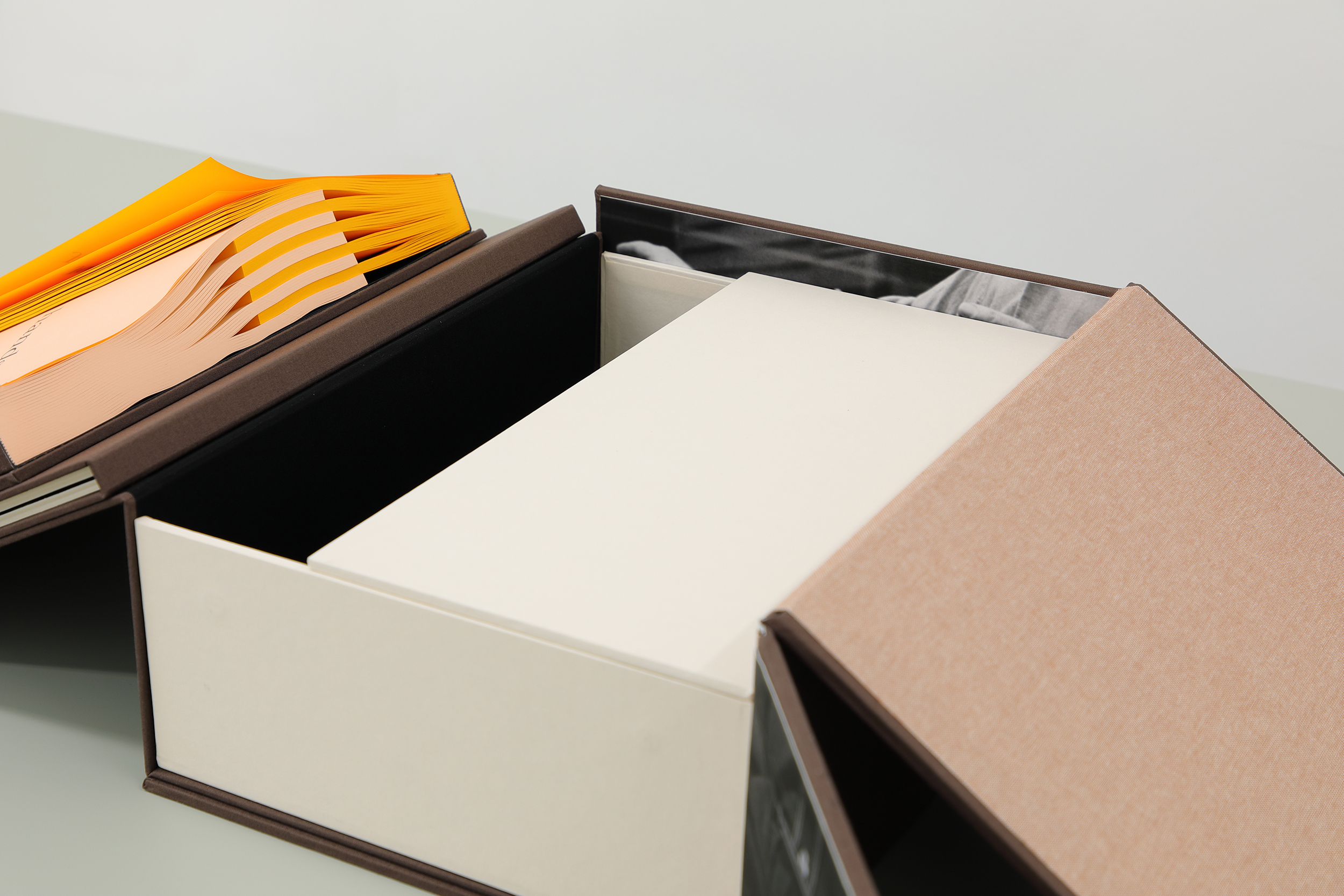
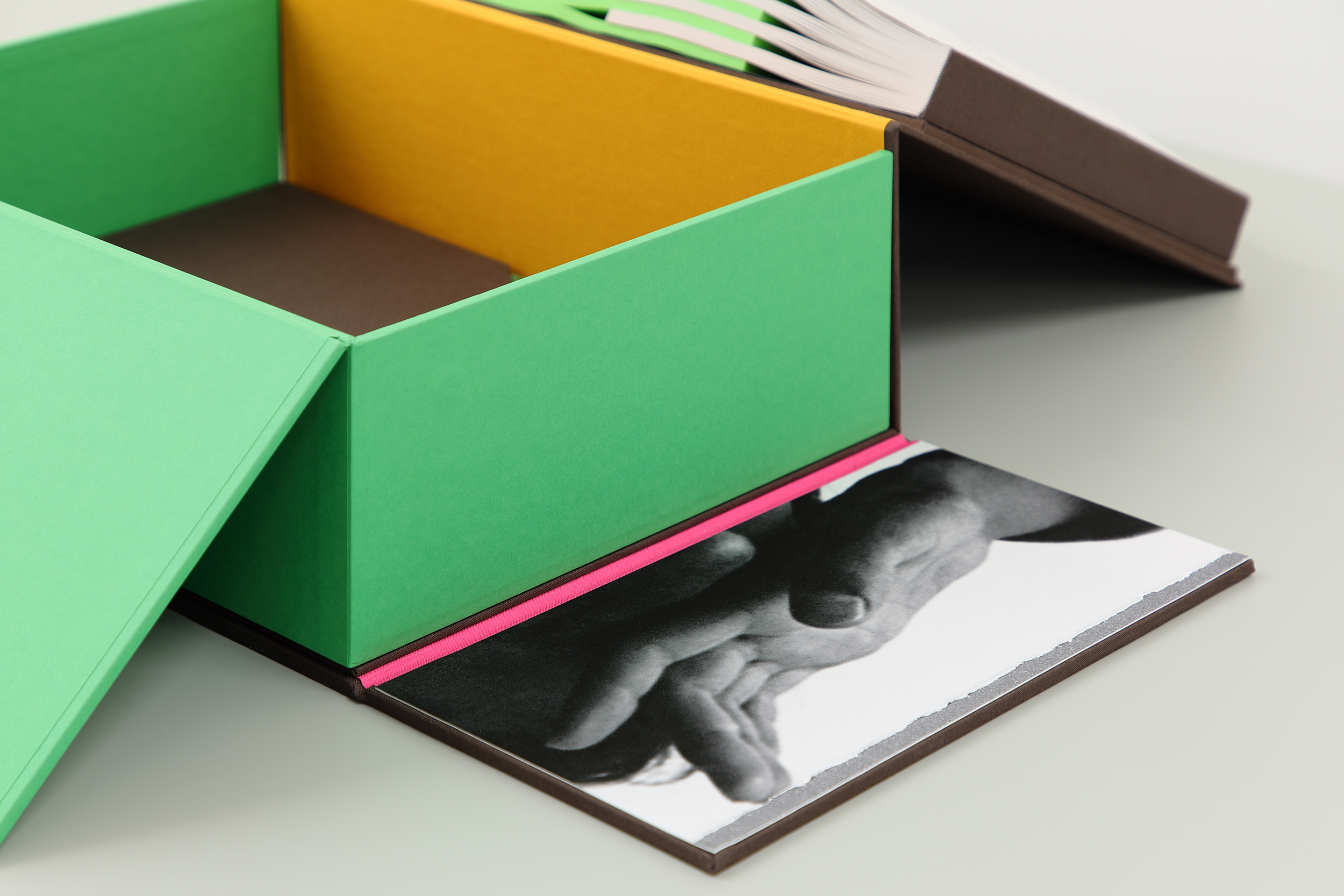
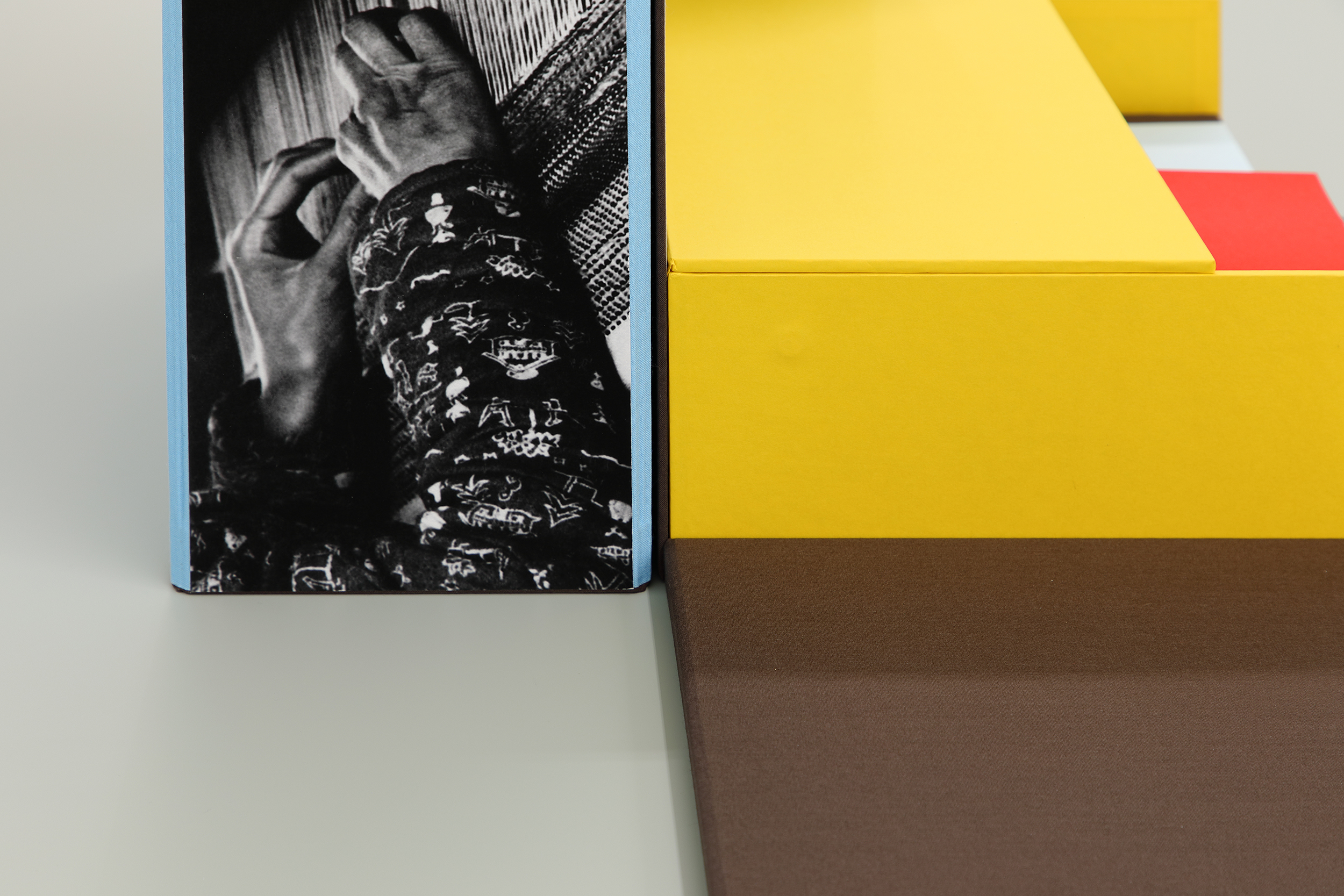
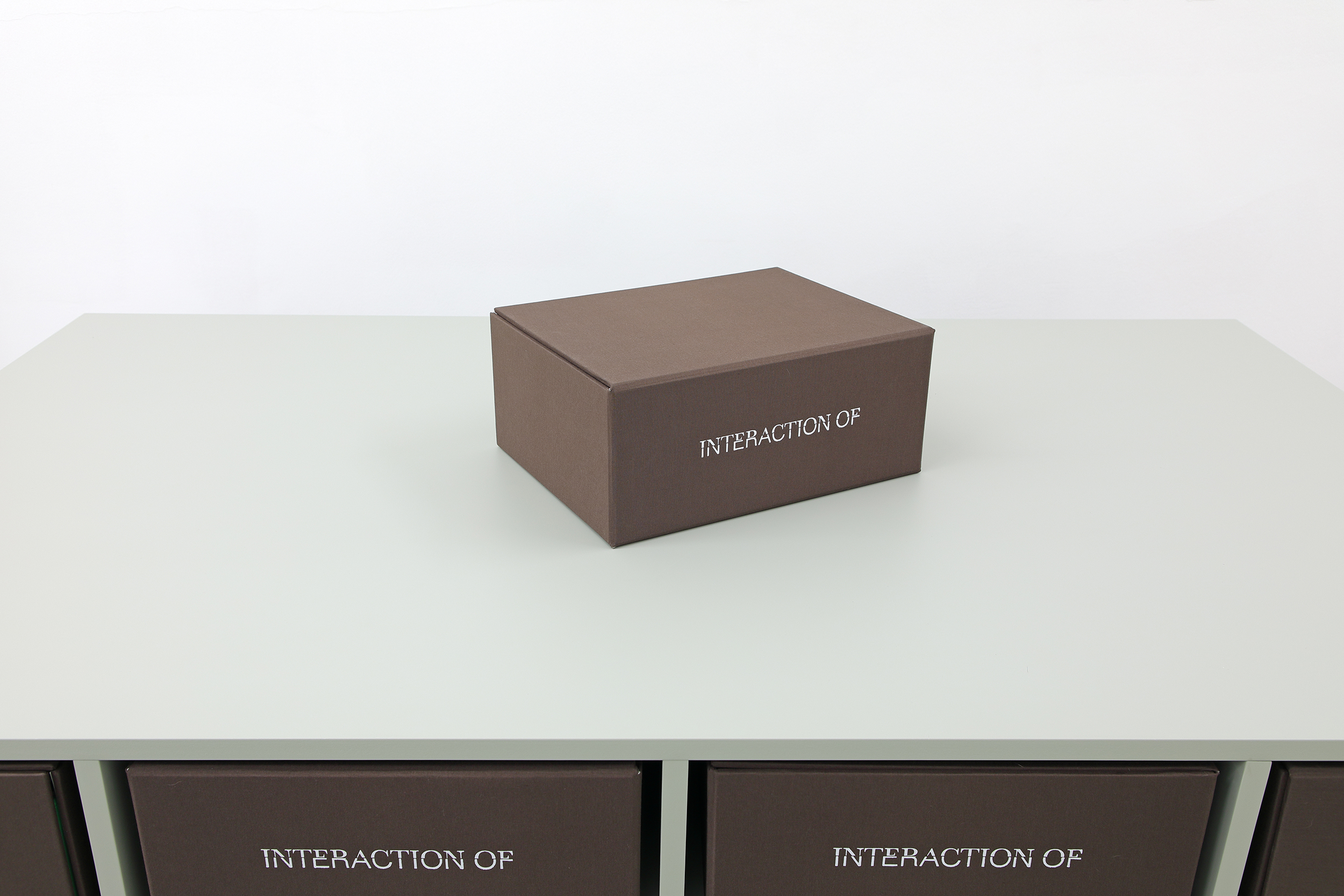
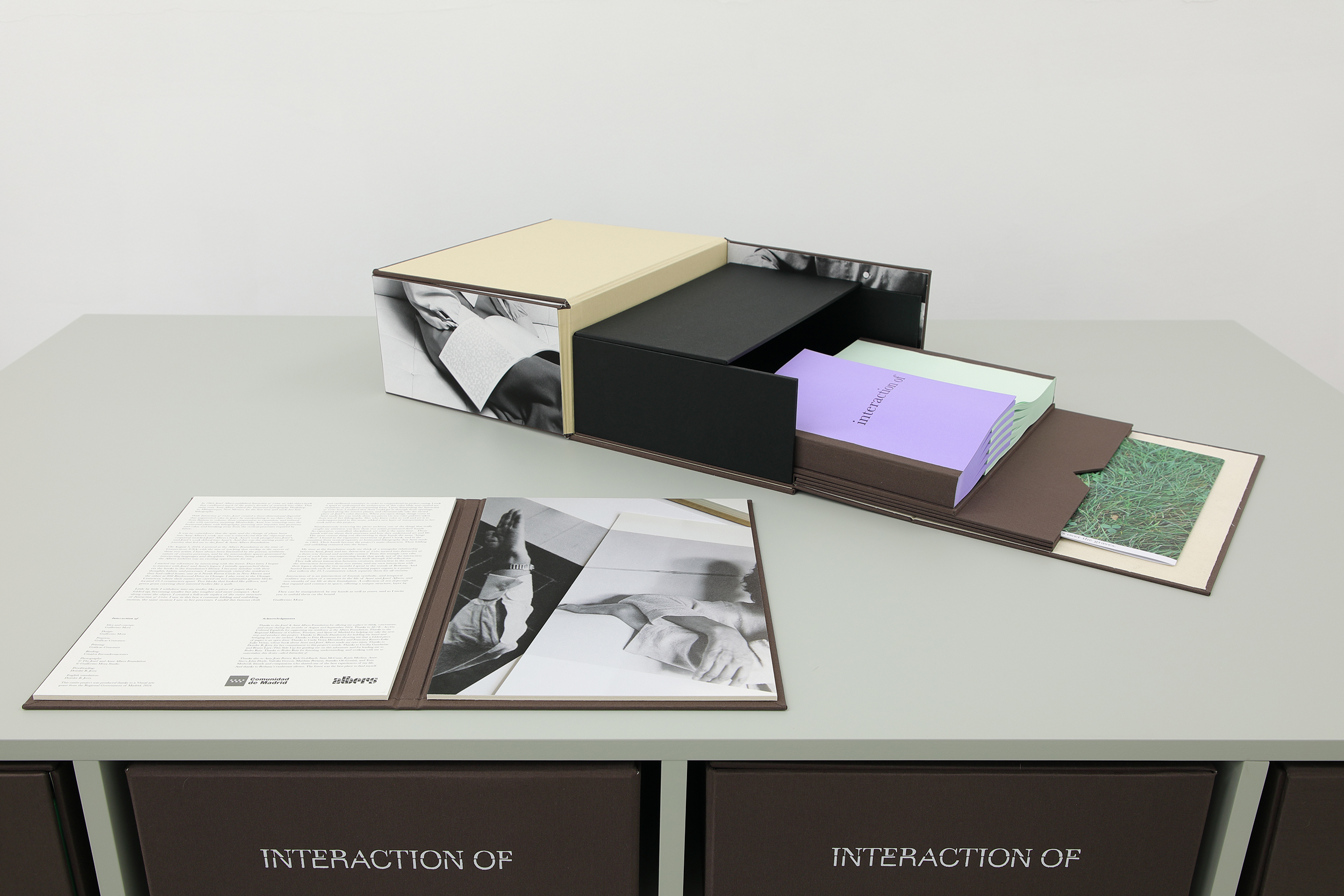
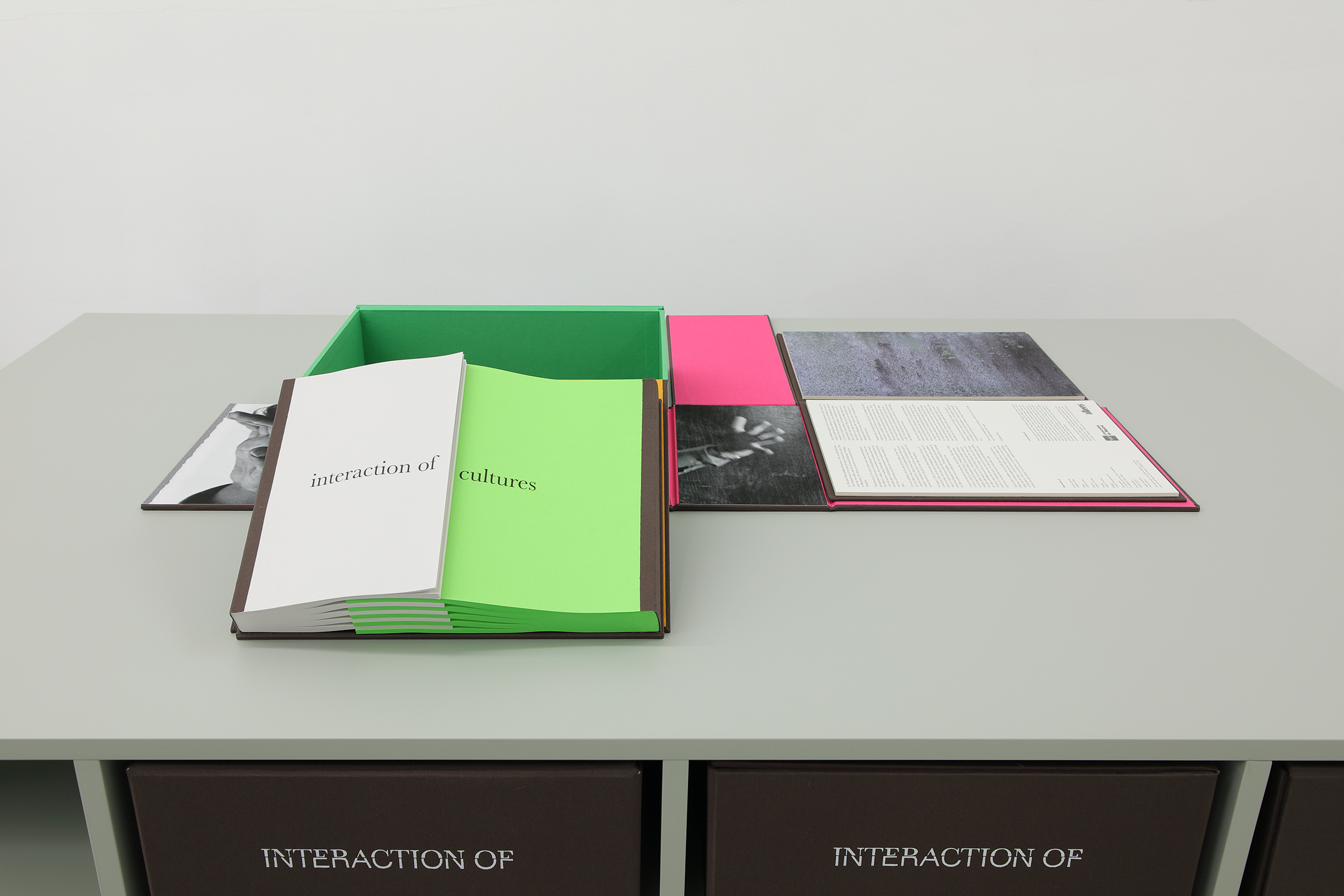
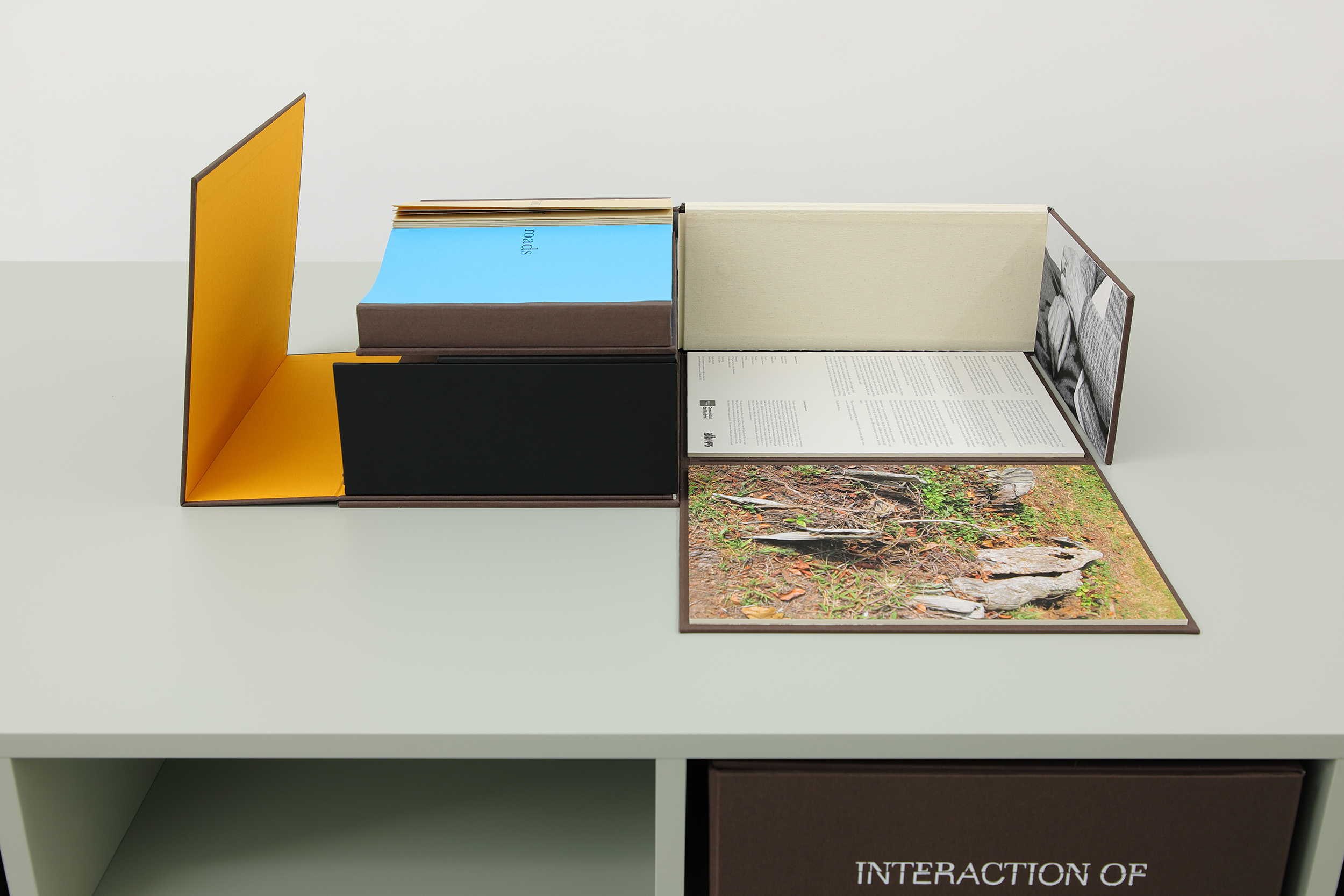
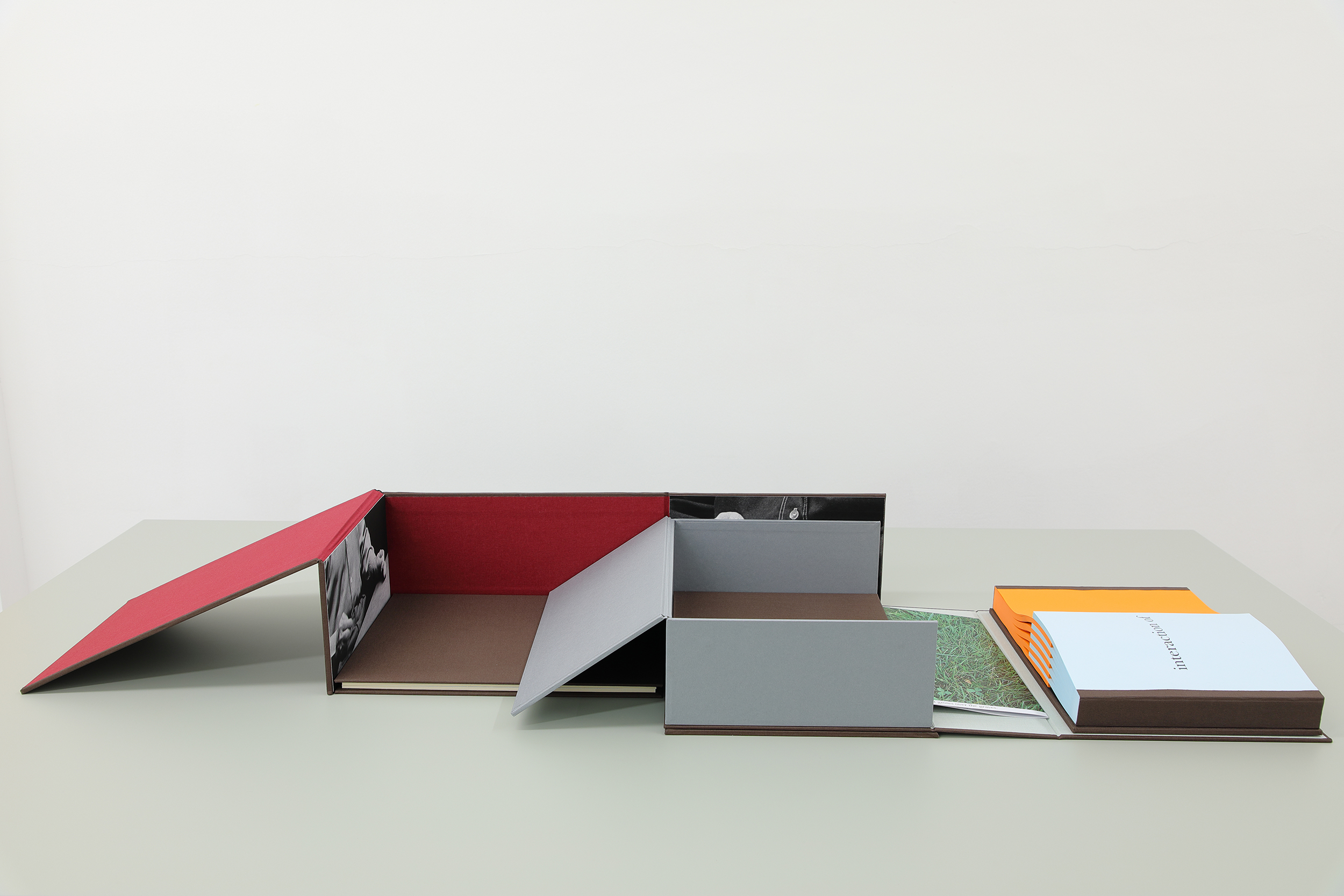
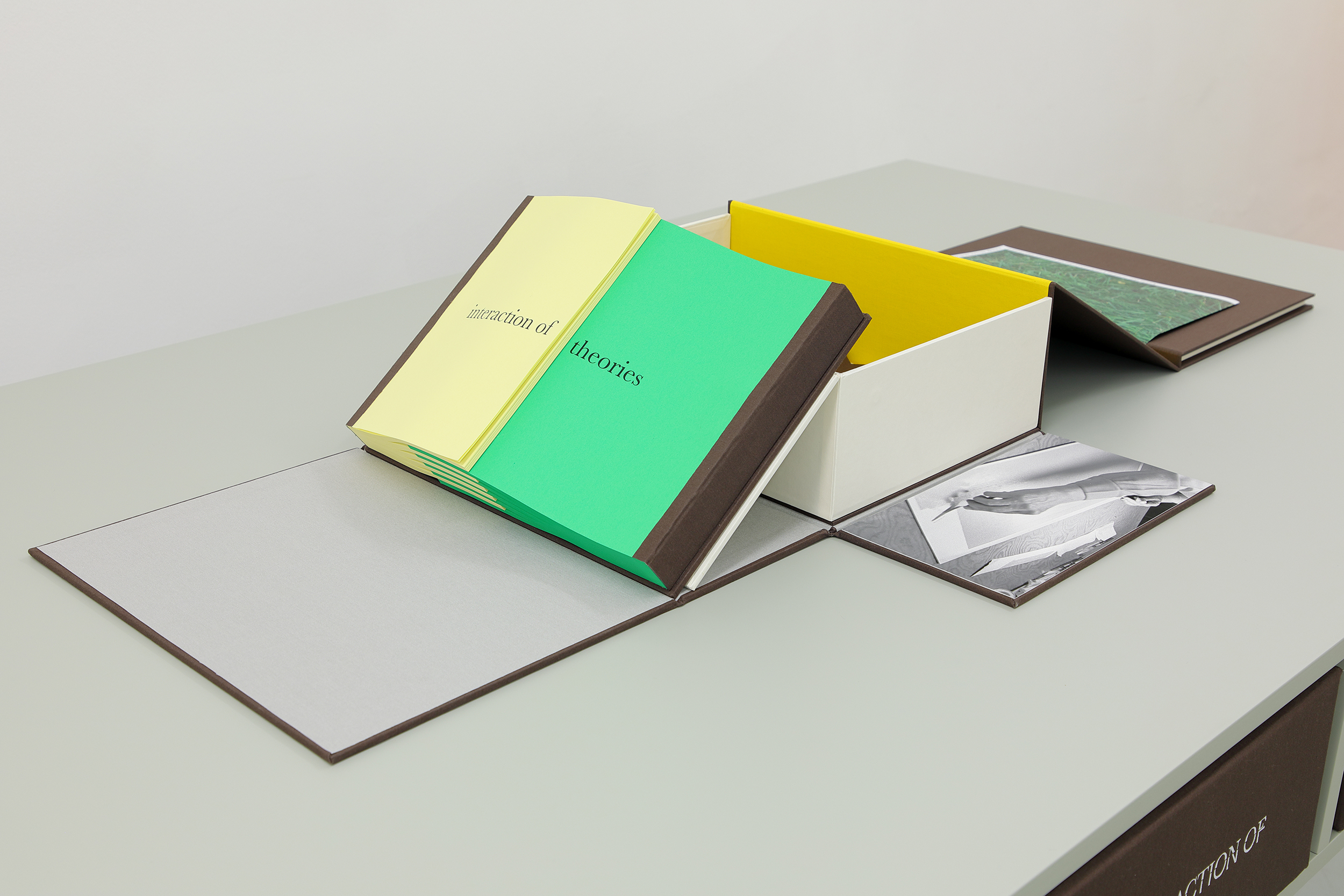
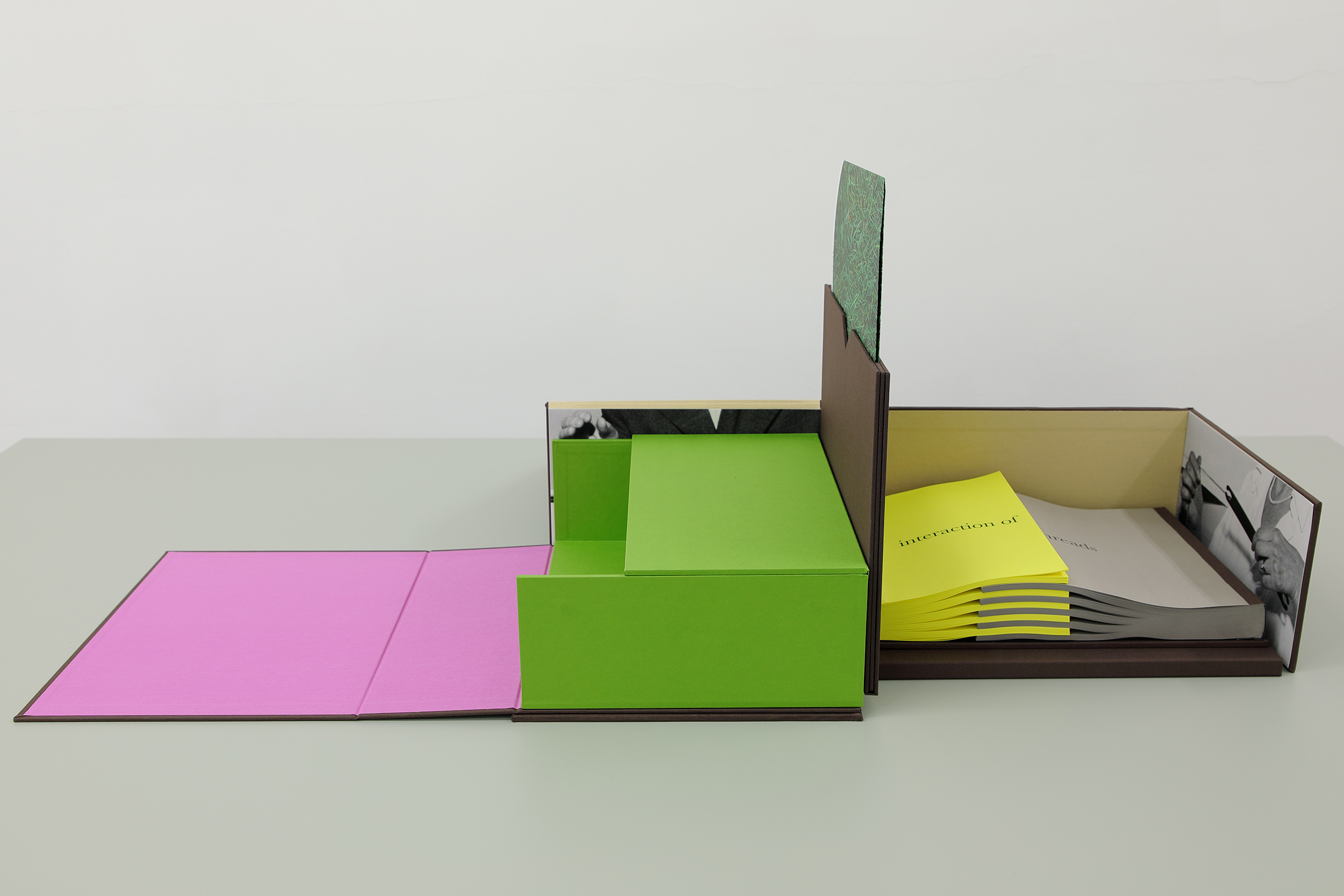
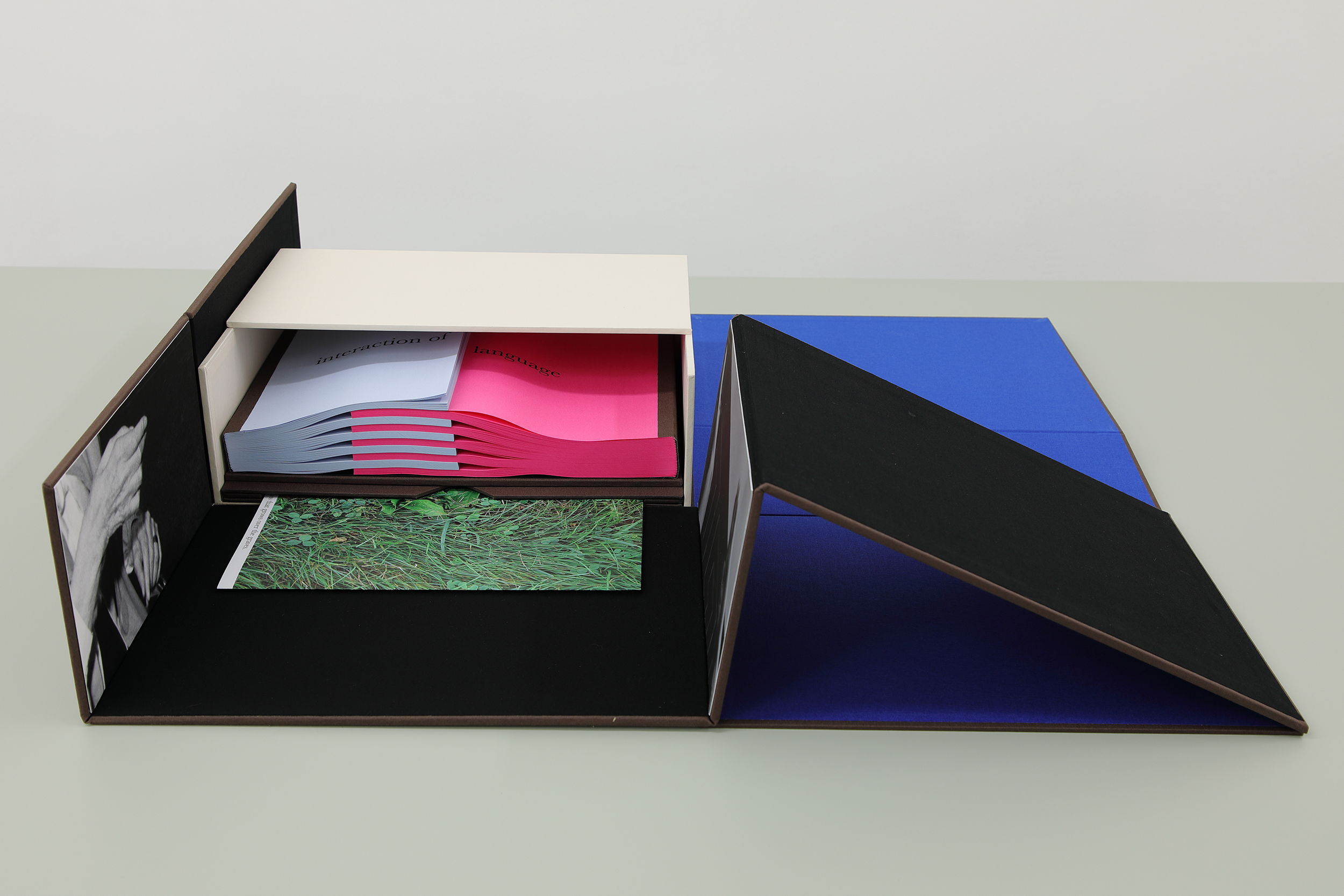
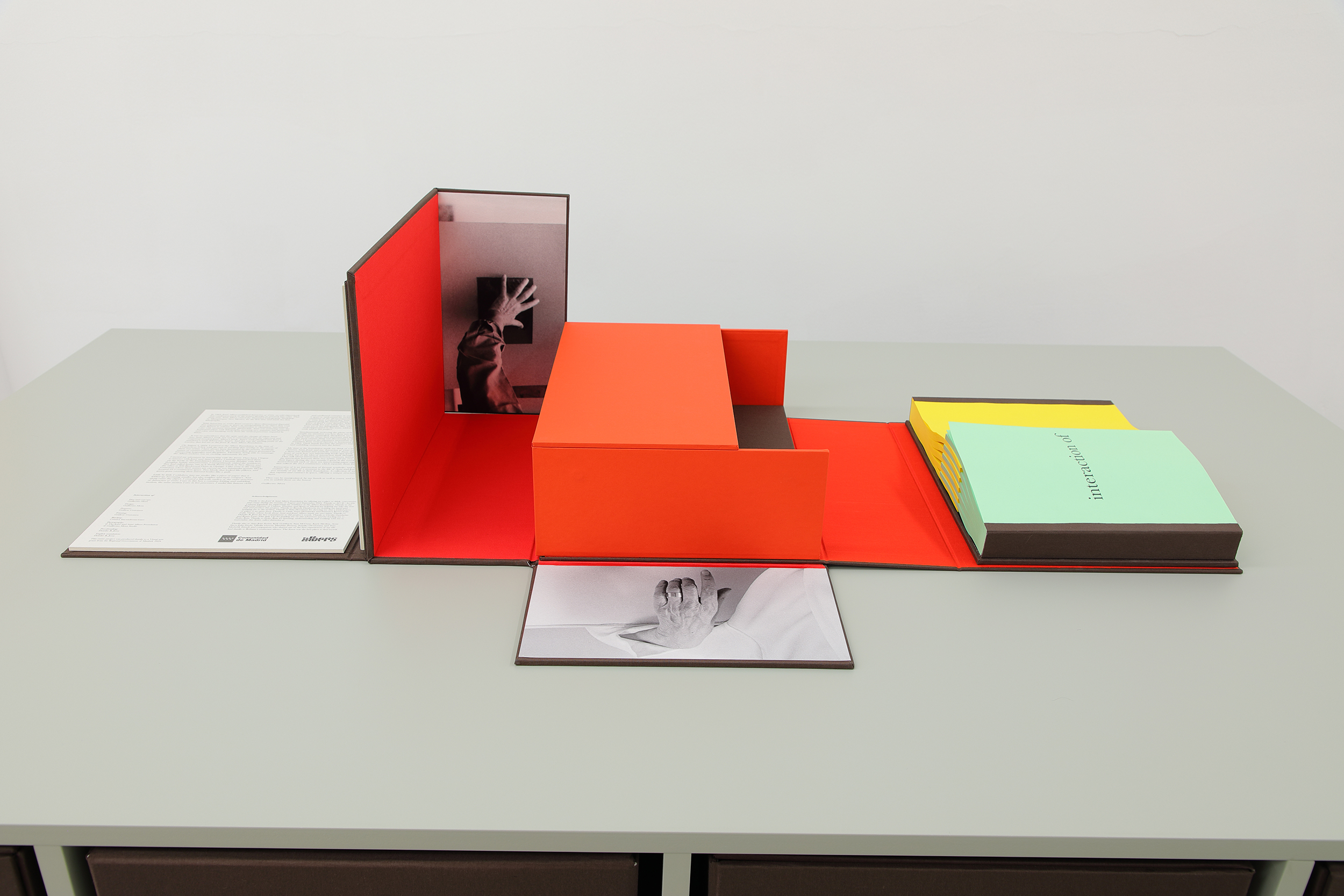
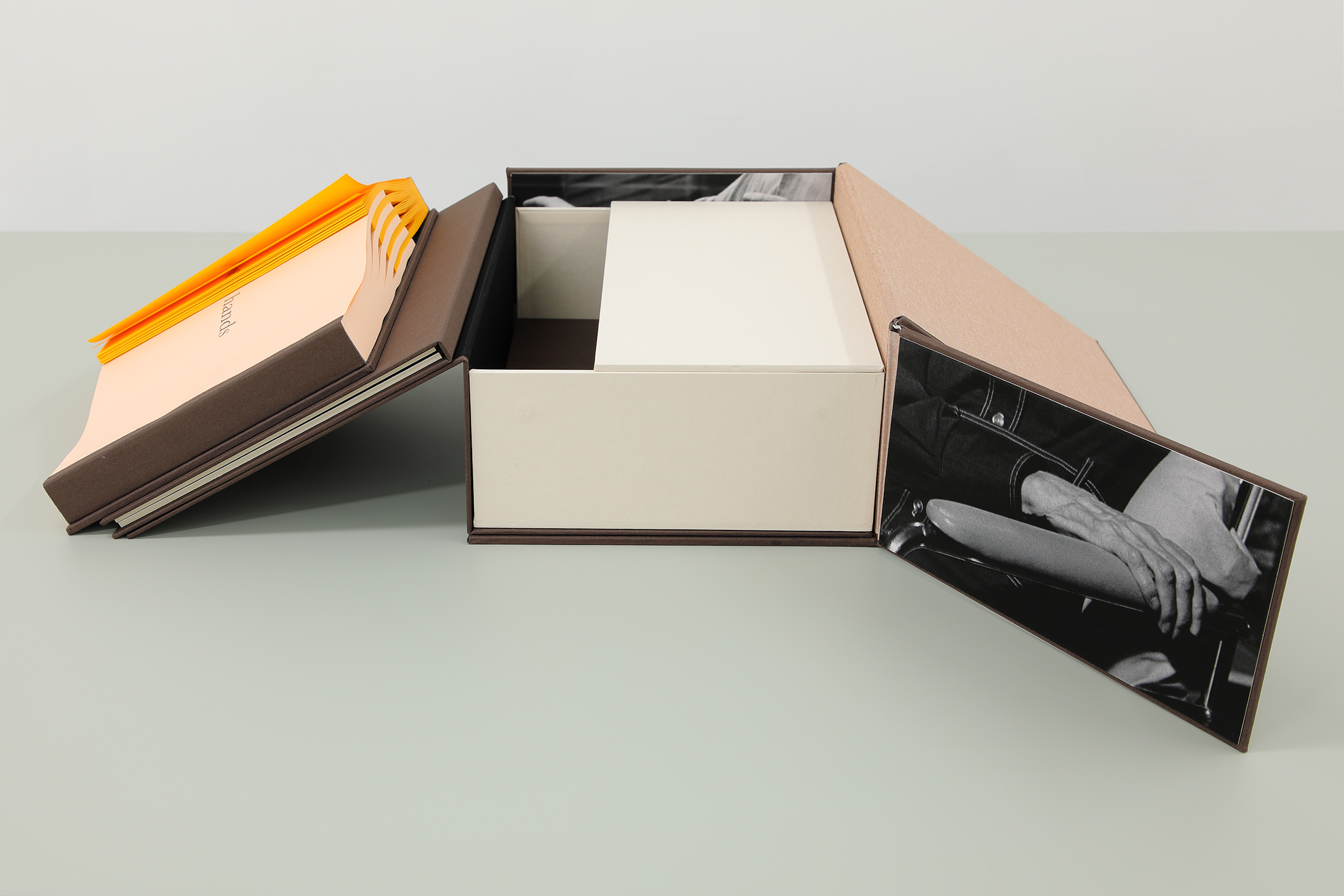
Little by little I withdrew into my studio, like a piece of paper that is folded up, becoming smaller but also tougher and more compact. And along came the object. I created a full-scale replica of the outer structure of Interaction of Color. I saw in this box a constant folding and unfolding motion, the same motion I saw in her processes. I undid this famous cloth and cardboard container in order to comprehend its perfect casing. I took it apart to understand the architecture of this color bible and created ten variations of the all-encompassing form. Upon dismantling the Interaction of Color box, I realized that Anni could get in through those openings, expand along the interior planes, and chromatically take the sacred place of Josef’s color theories. When you open things, things come in. Anni made her way inside these ten pieces via ten color palettes taken from ten of her lithographs. She, who knew color so well and yet is so underappreciated in this sense, added a new layer of interpretation to her work and to this project.
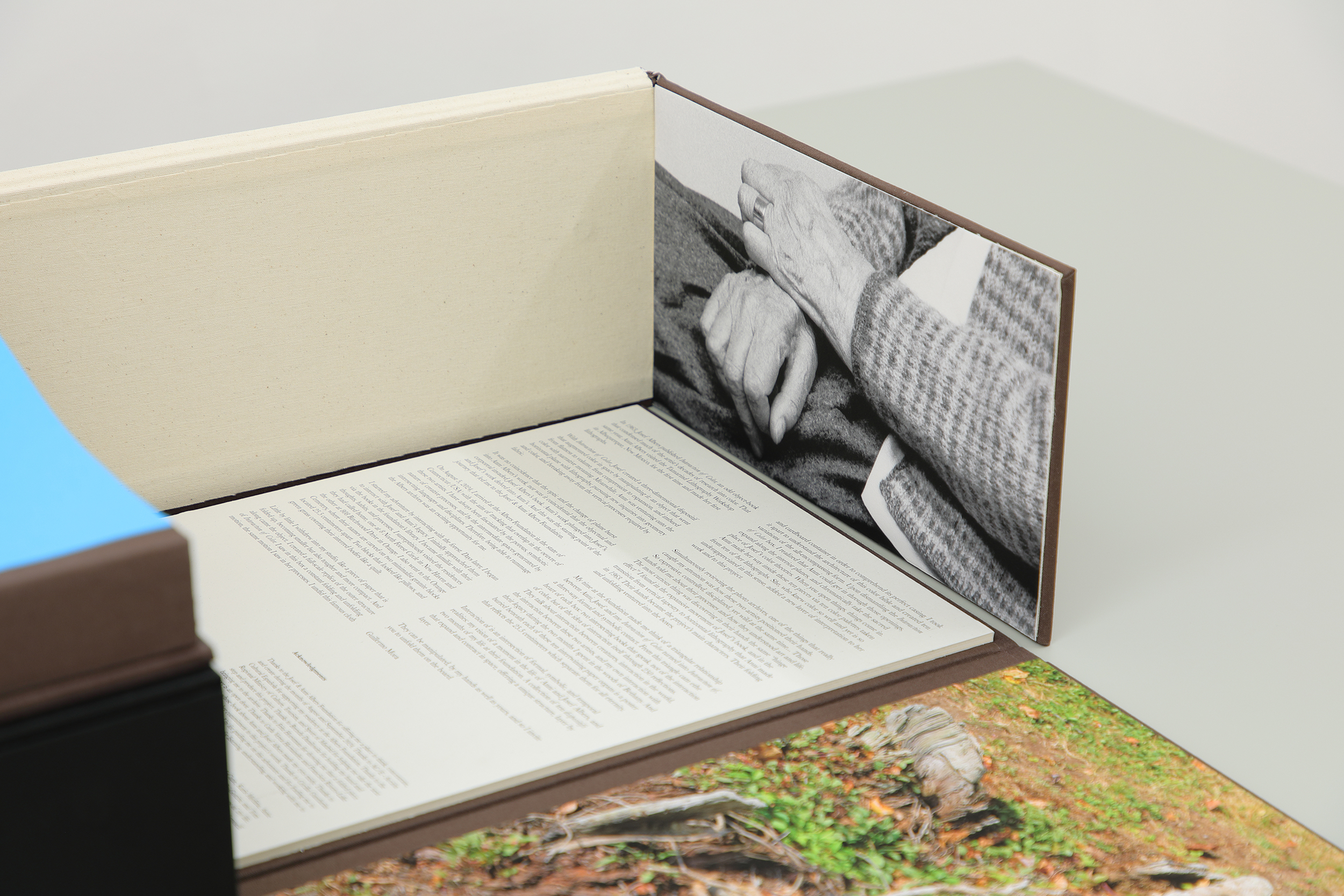
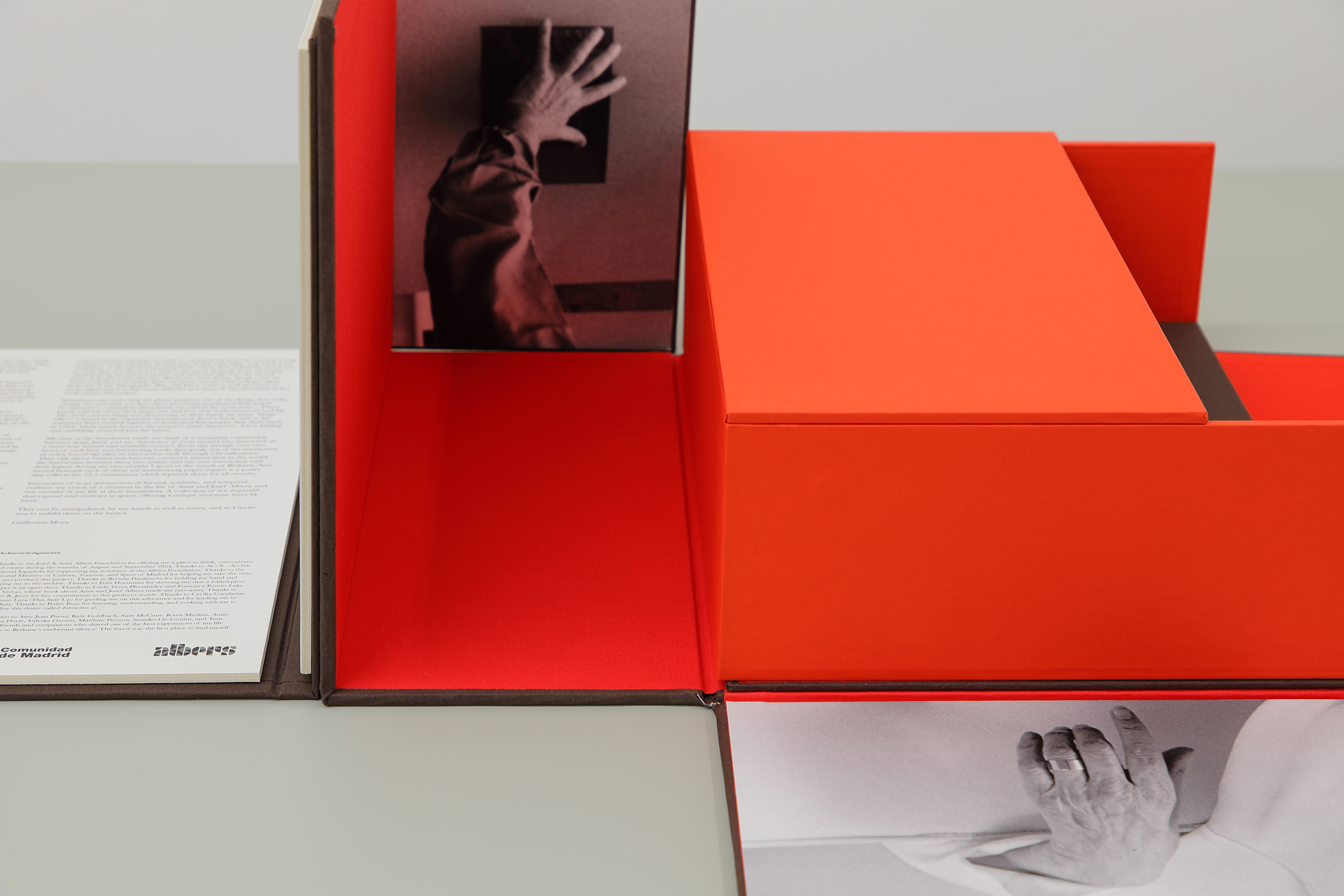
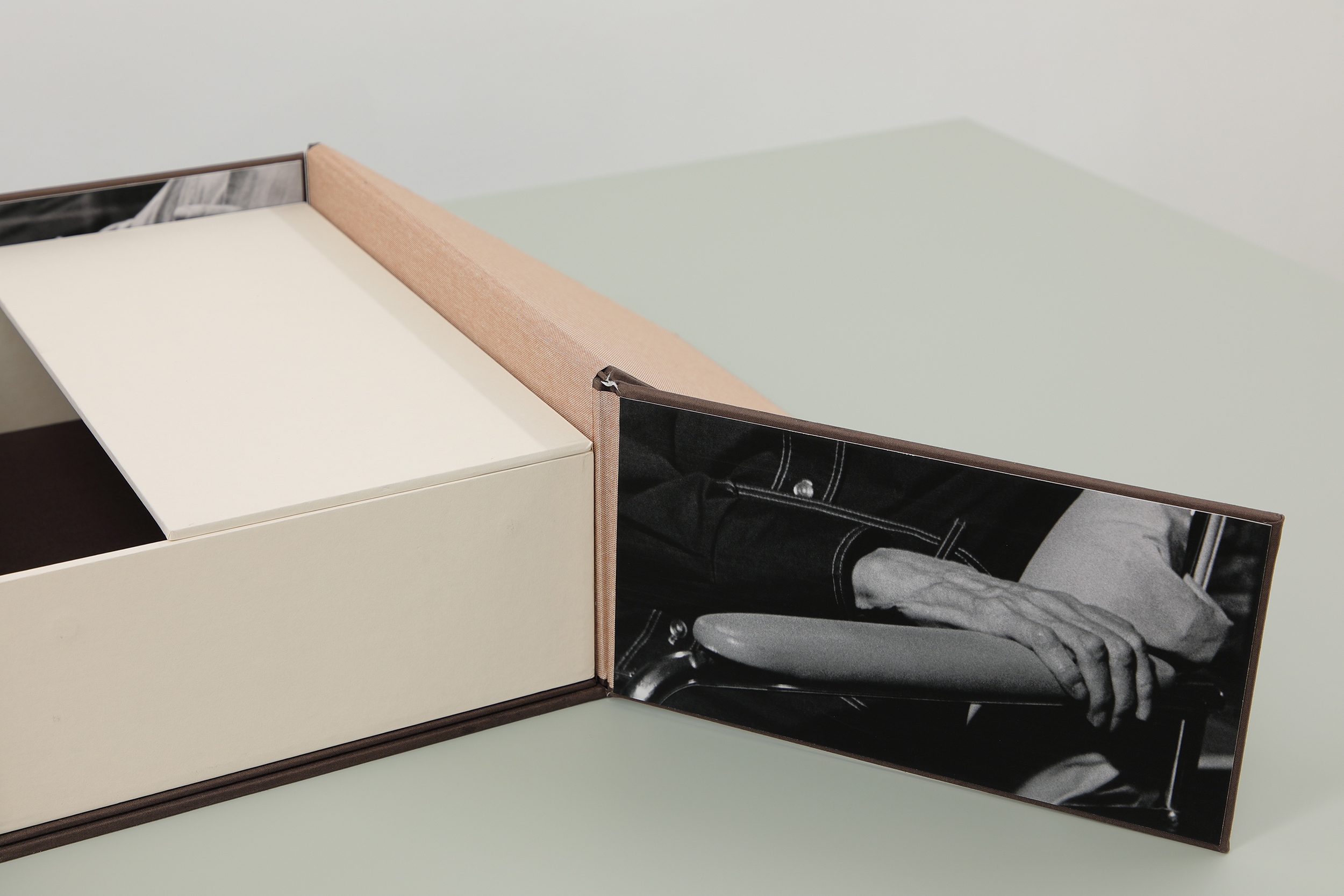
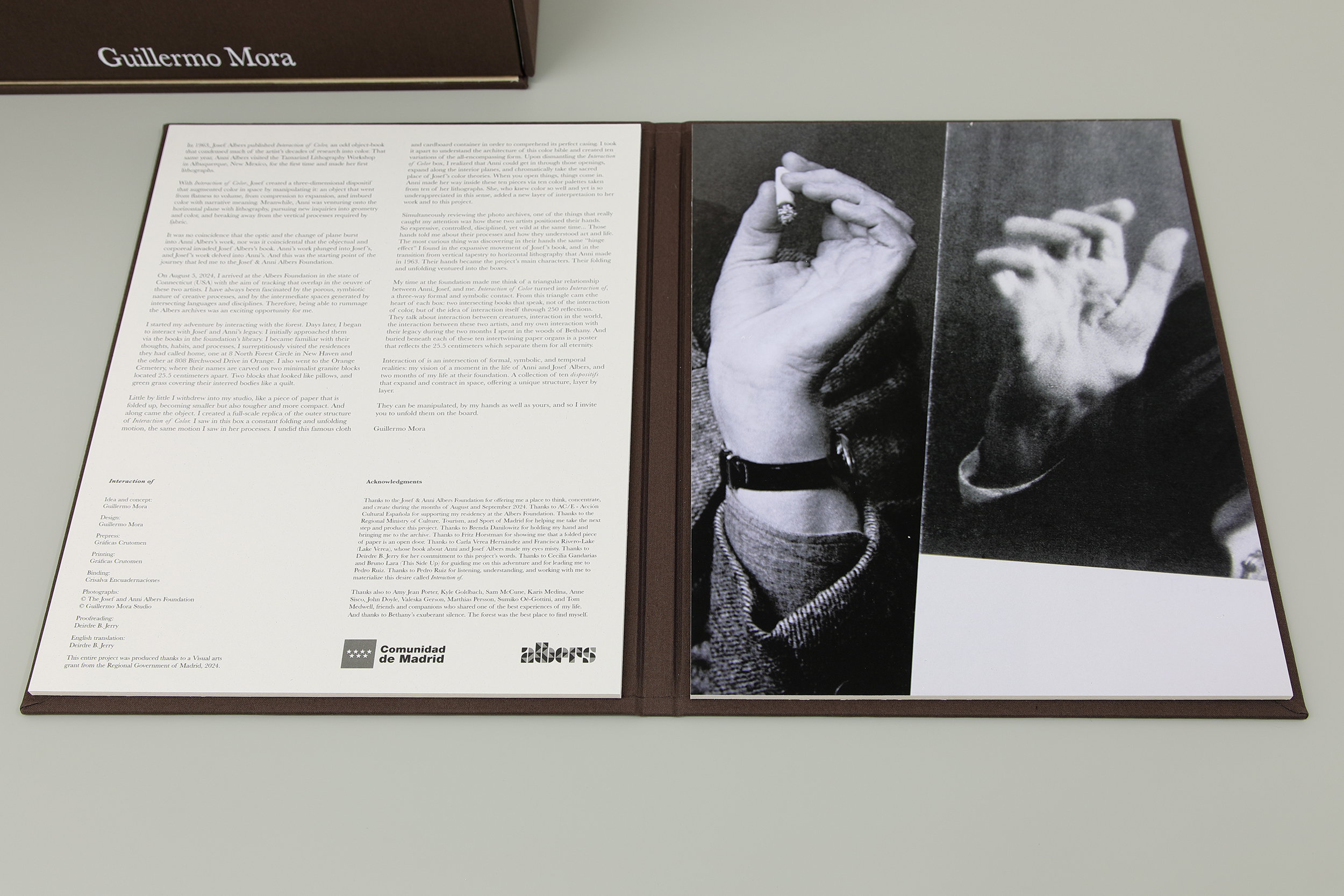
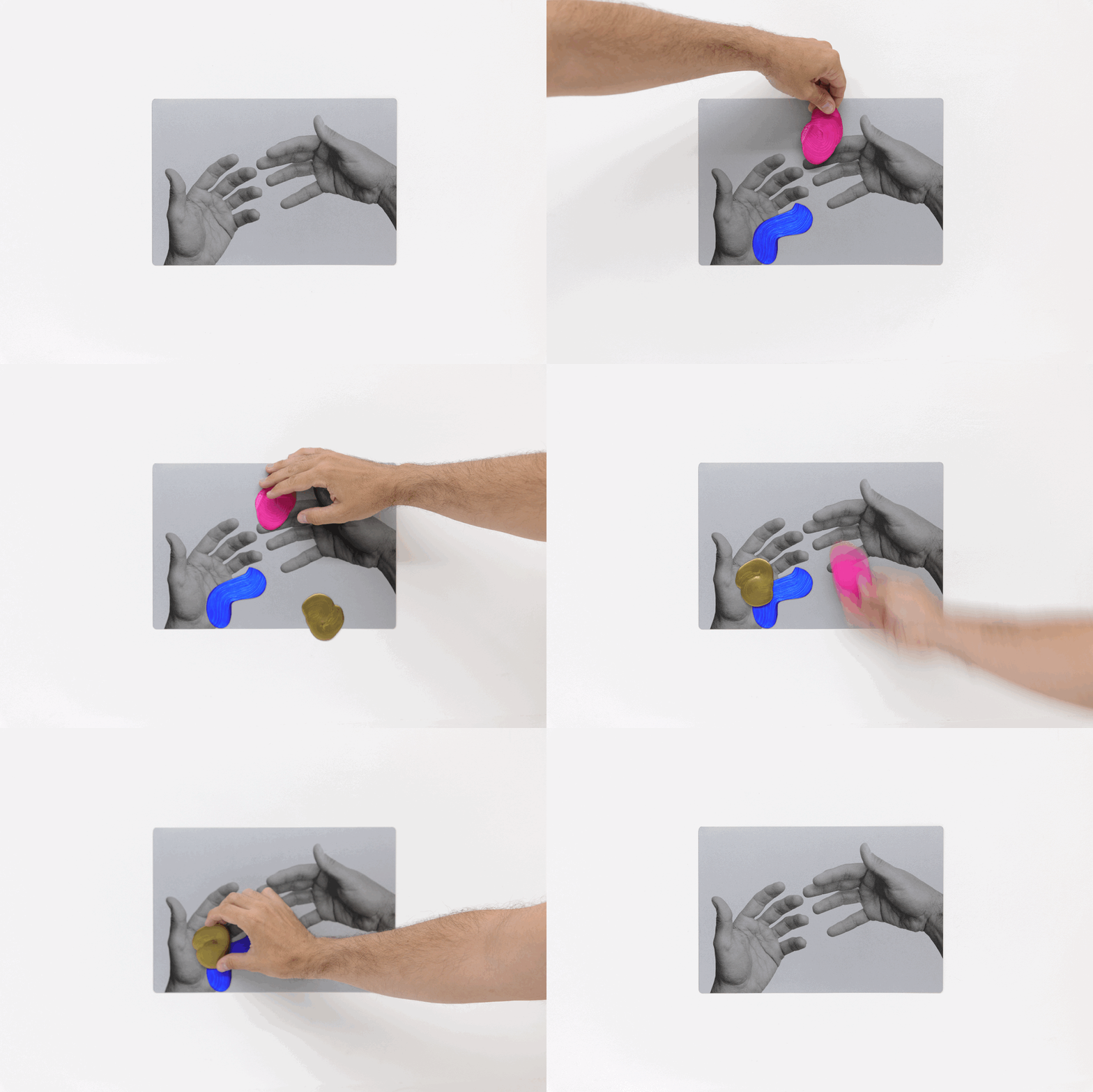
Simultaneously reviewing the photo archives, one of the things that really caught my attention was how these two artists positioned their hands. So expressive, controlled, disciplined, yet wild at the same time… Those hands told me about their processes and how they understood art and life. The most curious thing was discovering in their hands the same “hinge effect” I found in the expansive movement of Josef’s book, and in the transition from vertical tapestry to horizontal lithography that Anni made in 1963. Their hands became the project’s main characters. Their folding and unfolding ventured into the boxes.
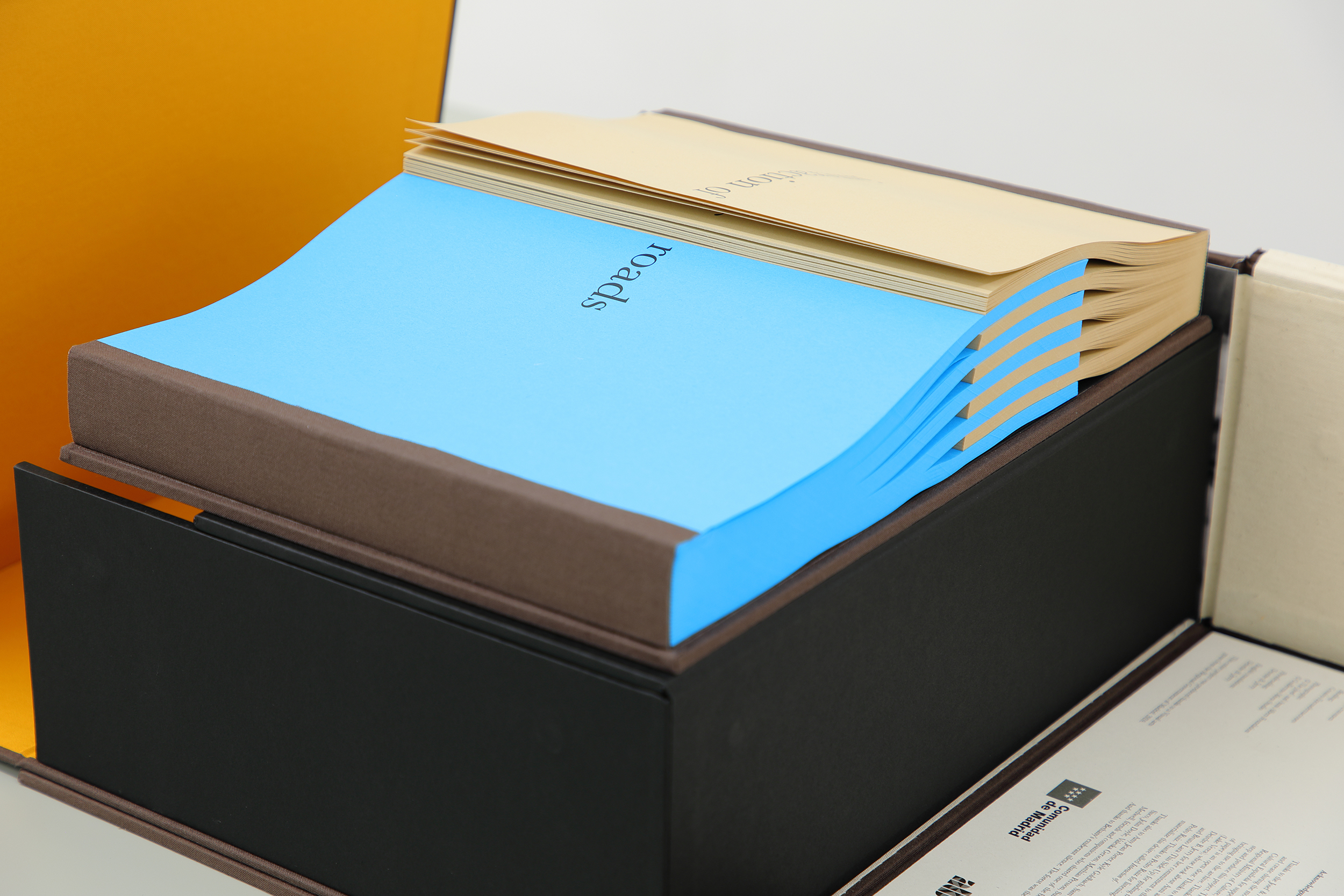
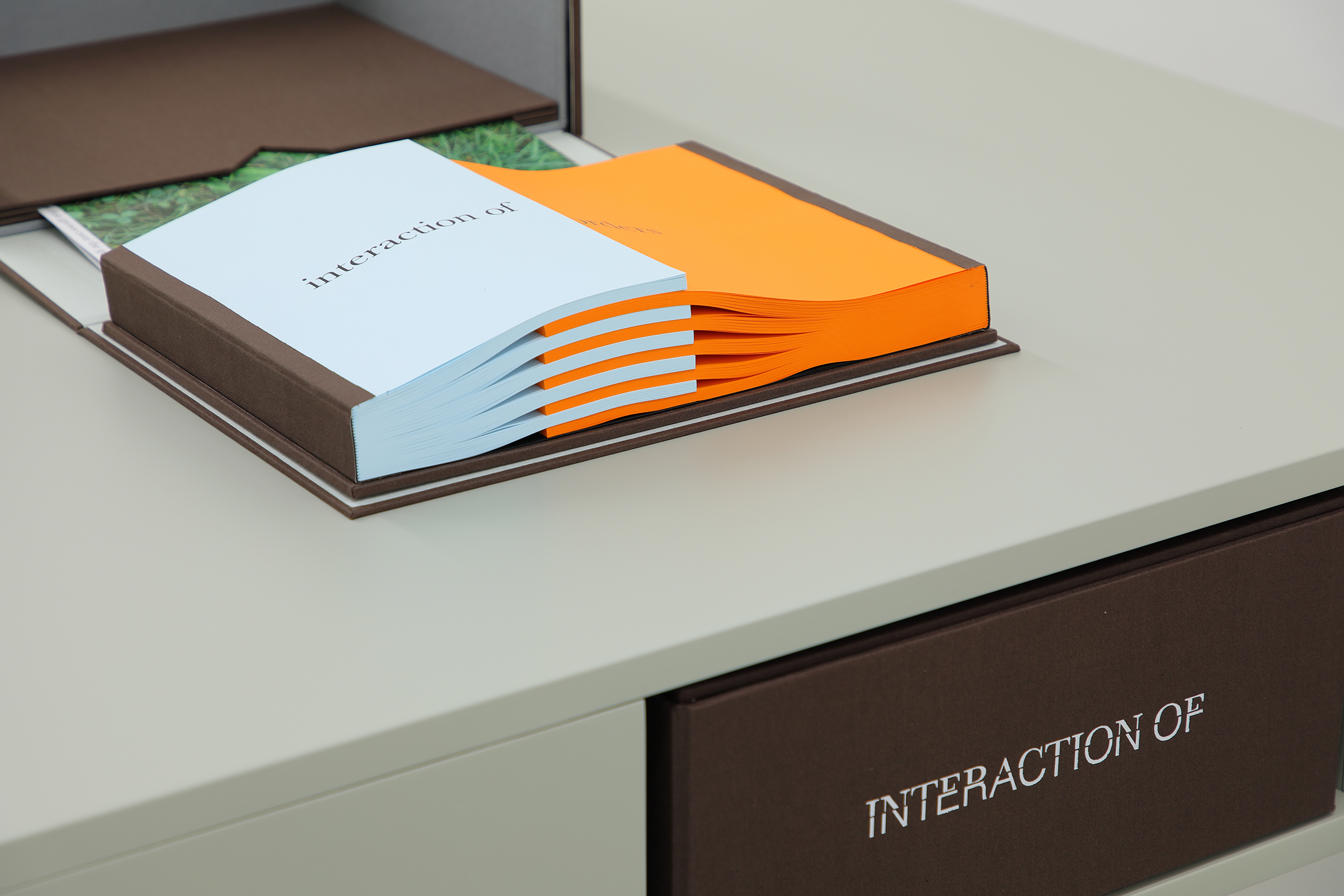
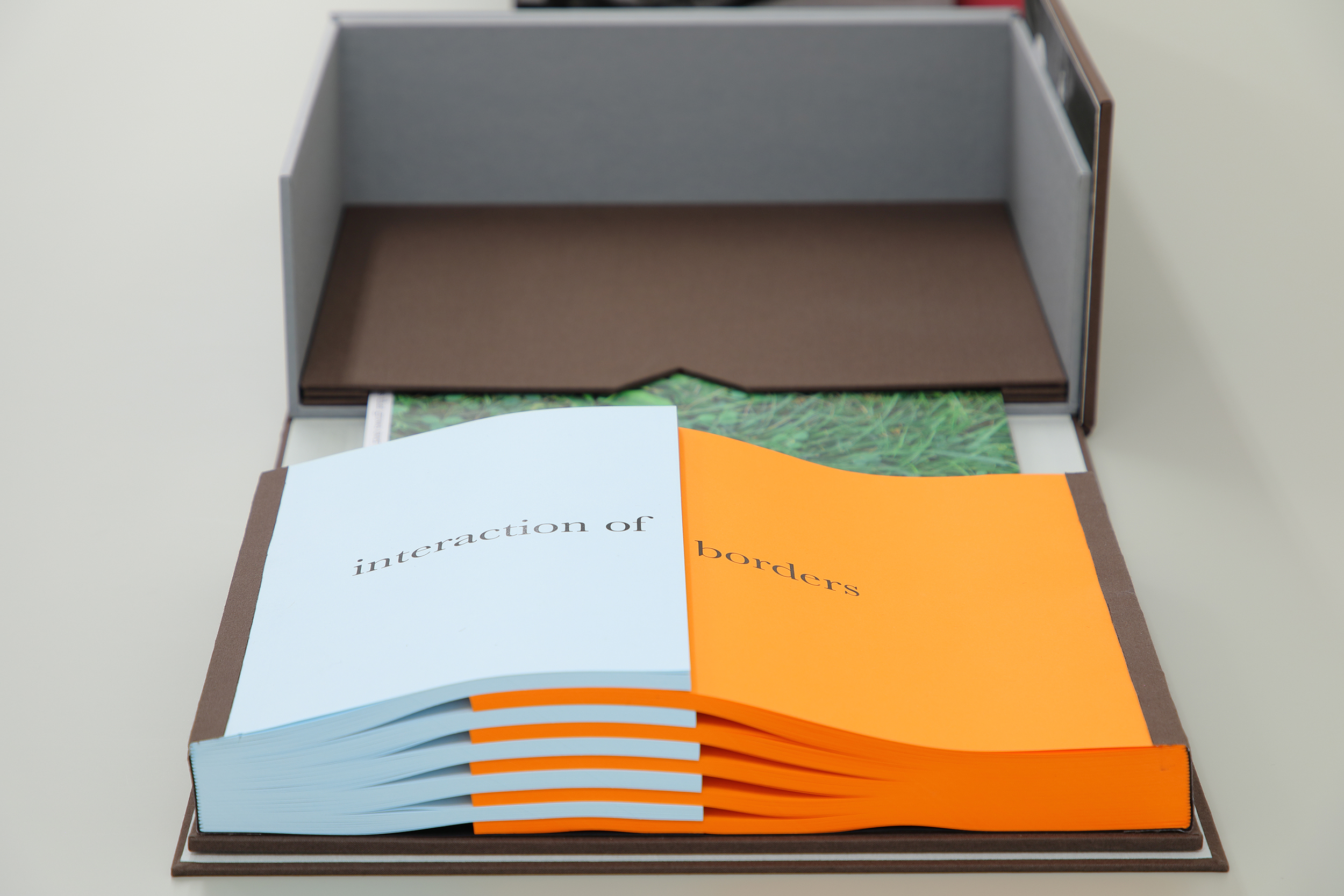
My time at the foundation made me think of a triangular relationship between Anni, Josef, and me. Interaction of Color turned into INTERACTION OF, a three-way formal and symbolic contact. From this triangle came the heart of each box: two intersecting books that speak, not of the interaction of color, but of the idea of interaction itself through 250 reflections. They talk about interaction between creatures, interaction in the world, the interaction between these two artists, and my own interaction with their legacy during the two months I spent in the woods of Bethany. And buried beneath each of these ten intertwining paper organs is a poster that reflects the 25.5 centimeters which separate them for all eternity.
INTERACTION OF is an intersection of formal, symbolic, and temporal realities: my vision of a moment in the life of Anni and Josef Albers, and two months of my life at their foundation. A collection of ten dispositifs that expand and contract in space, offering a unique structure, layer by layer.
![Guillermo Mora - GUILLERMO_MORA_Interaction_of_[estructura]_002](https://www.guillermomora.com/wp-content/uploads/2025/07/GUILLERMO_MORA_Interaction_of_estructura_002.jpg)
![Guillermo Mora - GUILLERMO_MORA_Interaction_of_[estructura]_003](https://www.guillermomora.com/wp-content/uploads/2025/07/GUILLERMO_MORA_Interaction_of_estructura_003.jpg)
![Guillermo Mora - GUILLERMO_MORA_Interaction_of_[estructura]_005](https://www.guillermomora.com/wp-content/uploads/2025/07/GUILLERMO_MORA_Interaction_of_estructura_005.jpg)